View of Chepstow, Wales — History & Facts
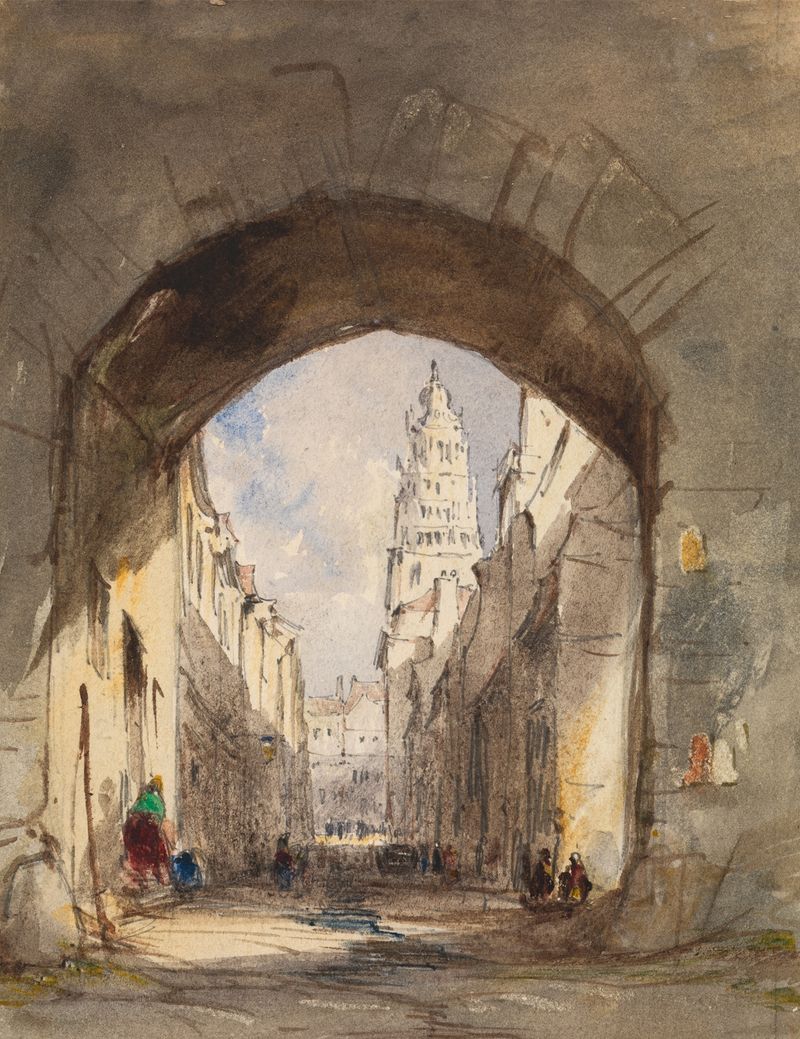
Can beauty exist without sorrow? This question lingers as one gazes upon the serene landscape, where the charming hues of nature invite contemplation and introspection. Look to the left at the gentle ripples of the River Wye, reflecting soft blues and silvery grays that evoke a tranquil embrace. Notice how the clouds hang low, diffusing the sunlight into a warm glow that casts delicate shadows across the lush greenery. The composition draws the eye towards the imposing Chepstow Castle, its storied walls echoing whispers of history against the backdrop of a peaceful yet dynamic sky. Amid the calm, subtle tensions emerge.
The juxtaposition of the castle's sturdy, weathered form against the ephemeral beauty of nature reflects themes of permanence versus transience. The lush landscape suggests life and growth, while the castle looms as a reminder of the passage of time and the weight of human endeavor. This balance speaks to a deeper emotional resonance, inviting viewers to reflect on the fragility of beauty amidst the enduring. In 1834, John Scarlett Davis painted this piece during a period marked by significant change in British art, transitioning from Romanticism to a more realistic portrayal of landscapes.
Living in a time when artists sought to capture the essence of places rather than ideals, he took inspiration from the scenic views of his homeland. His experiences in the picturesque Wye Valley informed this work, where the beauty of nature and history intertwine in arresting harmony.