View of Kensington Palace from across the Round Pond — History & Facts
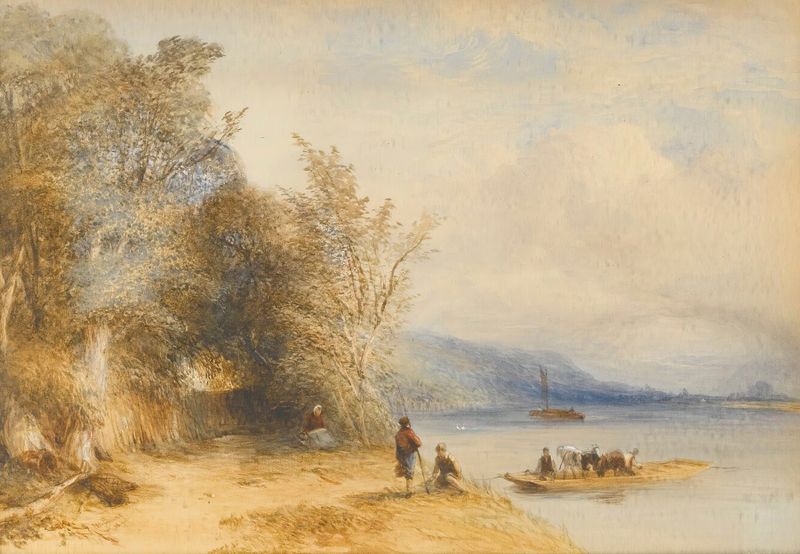
In a world forever marching forward, nostalgia becomes both a refuge and a longing, a bridge to moments lost yet vividly alive in the brushstrokes of the past. Look to the center where the serene Round Pond reflects the soft hues of a fading day, surrounded by lush greenery that sways gently in the breeze. Notice the delicate strokes that form Kensington Palace, rising dignified yet inviting against the pastel sky, its architectural details whispering stories of history and heritage. The muted color palette evokes a sense of tranquility, inviting the viewer to linger in this timeless vista, embodying both peace and contemplation. Yet, within this idyllic scene lies a subtle tension between the present and the past.
The rippling water hints at the passage of time, suggesting that while we may gaze upon beauty, it is forever fleeting. The juxtaposition of the solid architecture and the ephemeral reflections speaks to an underlying yearning—an acknowledgment that memories, like the light, are constantly shifting, elusive yet cherished. Each detail, from the gilded edges of the palace to the soft shadows cast by the trees, encapsulates a momentary stillness in the chaos of life. Created in 1832, this work emerged during a period of change in England, as the Industrial Revolution began to reshape the cultural landscape.
As a lesser-known artist based in Bristol, the painter sought to capture the beauty of quintessential English scenery, reflecting both a personal connection to nature and a collective nostalgia for a simpler time amid the rapid advancements of the era.