View of Krakow — History & Facts
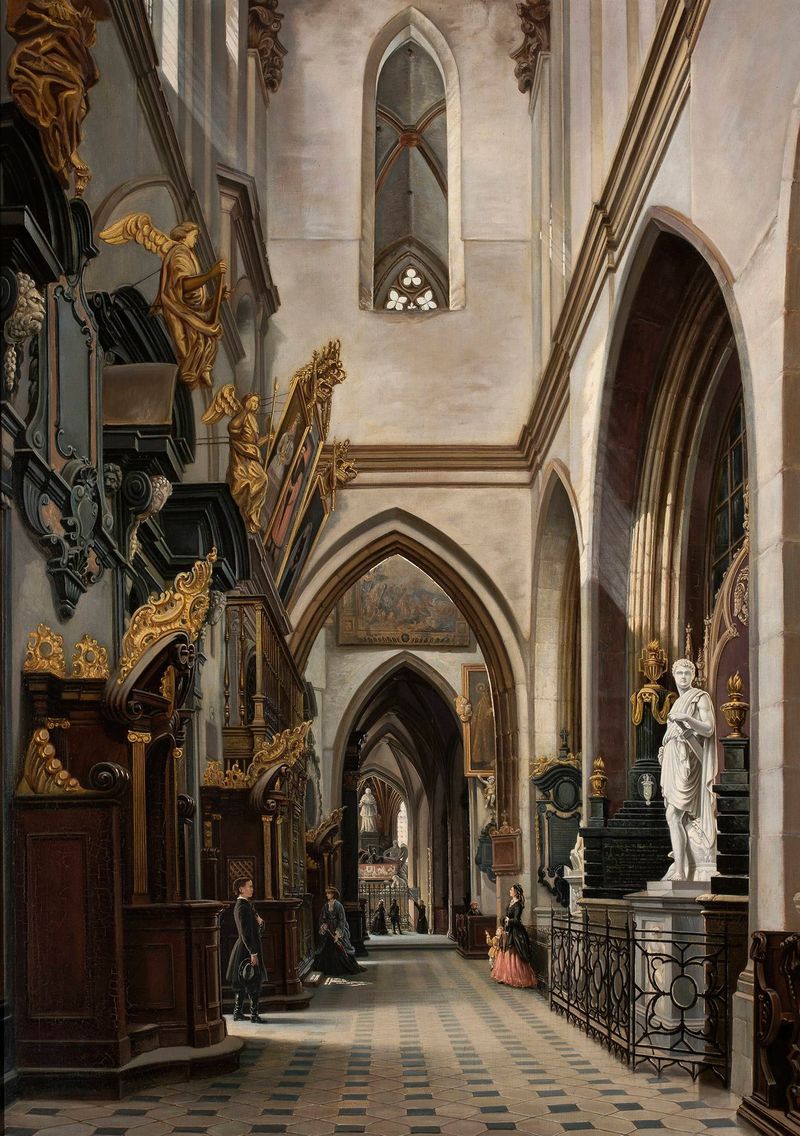
What secret hides in the quiet of the canvas? Beneath the tranquil surface of View of Krakow, layers of time and memory murmur like a soft breeze through a forgotten alley. Look to the left at the gentle curve of the river, where strokes of azure and green interlace, inviting the eye to wander through the scene. The vibrant rooftops of Krakow rise and fall like a silent chorus, each brushstroke capturing the essence of life waiting to unfold. Notice how the golden sunlight bathes the buildings, casting shadows that stretch long, suggesting the passage of time and the stories woven into the fabric of the city. Amidst this picturesque vista, the contrasts reveal deeper tensions—a sense of stillness juxtaposed with an unquenchable longing.
The buildings, timeless in their architecture, speak of history, while the soft, almost ghostly clouds above hint at the ephemeral nature of existence. Each element, from the meandering river to the distant hills, subtly whispers of journeys untaken and moments lost, evoking a nostalgia that resonates with the viewer’s own experiences. In 1876, Saturnin Świerzyński captured this view during a period of profound transformation in Poland. The country was amidst a tumultuous era, grappling with its identity and future amidst the shifting political landscape of Europe.
As an artist dedicated to depicting the essence of Polish life and landscapes, Świerzyński created View of Krakow not only as a representation of a beloved city but also as a poignant reminder of the enduring spirit of a nation at a crossroads.