View of the Mauritshuis — History & Facts
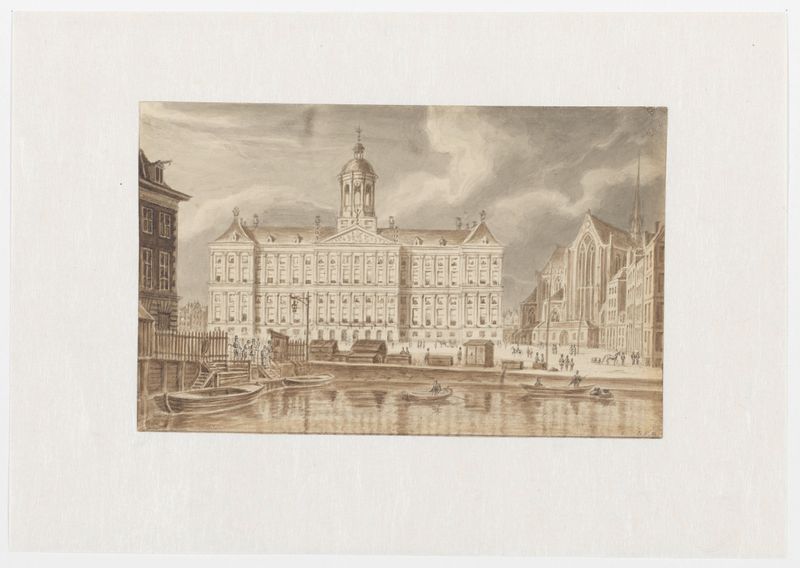
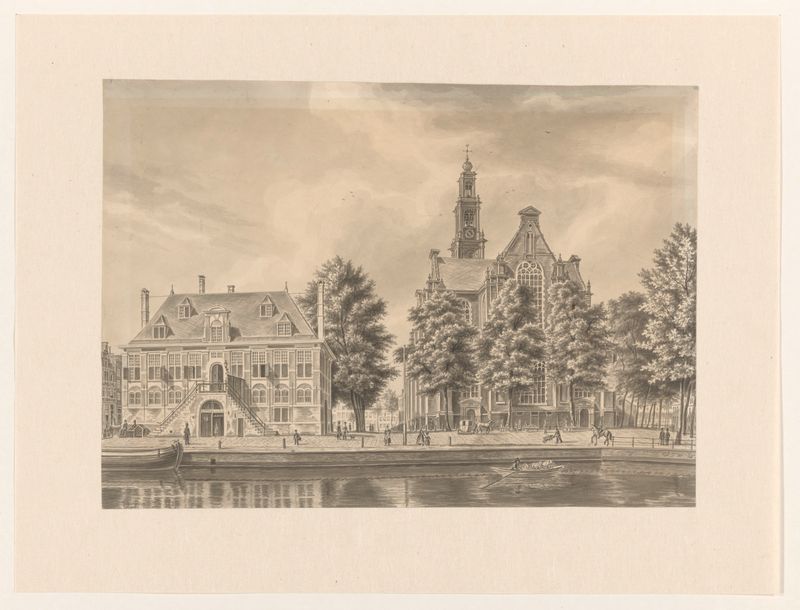
This reflection resonates deeply in the tranquil yet haunting landscape before us, where yearning for connection intertwines with the stillness of the scene. Look to the left at the grand Mauritshuis, its elegant façade framed by sweeping trees that sway gently in the breeze. The artist's skillful brushwork captures the play of light on the building's surface, highlighting the golden hues that evoke a sense of nostalgia. The soft blues of the sky create a serene backdrop, contrasting with the warm tones of the architecture, inviting the viewer to linger in this idyllic moment. Yet, beneath this surface beauty lies an undercurrent of longing.
The careful composition guides the eye across the canvas, emphasizing the distance between the viewer and the subject. The reflective water, mirroring the structure, becomes a metaphor for unfulfilled dreams, suggesting that what we see may be a mere illusion of perfection. Every detail, from the delicate ripples to the sunlight filtering through the leaves, reinforces a sense of melancholy that is palpable, reminding us of life's fragile nature. In the early 1830s, Wijnantz painted this piece in The Hague, amid a vibrant artistic community influenced by Romanticism.
The era was marked by a growing appreciation for landscapes, as artists sought to encapsulate both the beauty and emotional depth of their subjects. During this time, Wijnantz was refining his technique, exploring the interplay of light and shadow, which would ultimately define his contribution to Dutch landscape painting.