View of Tiflis — History & Facts
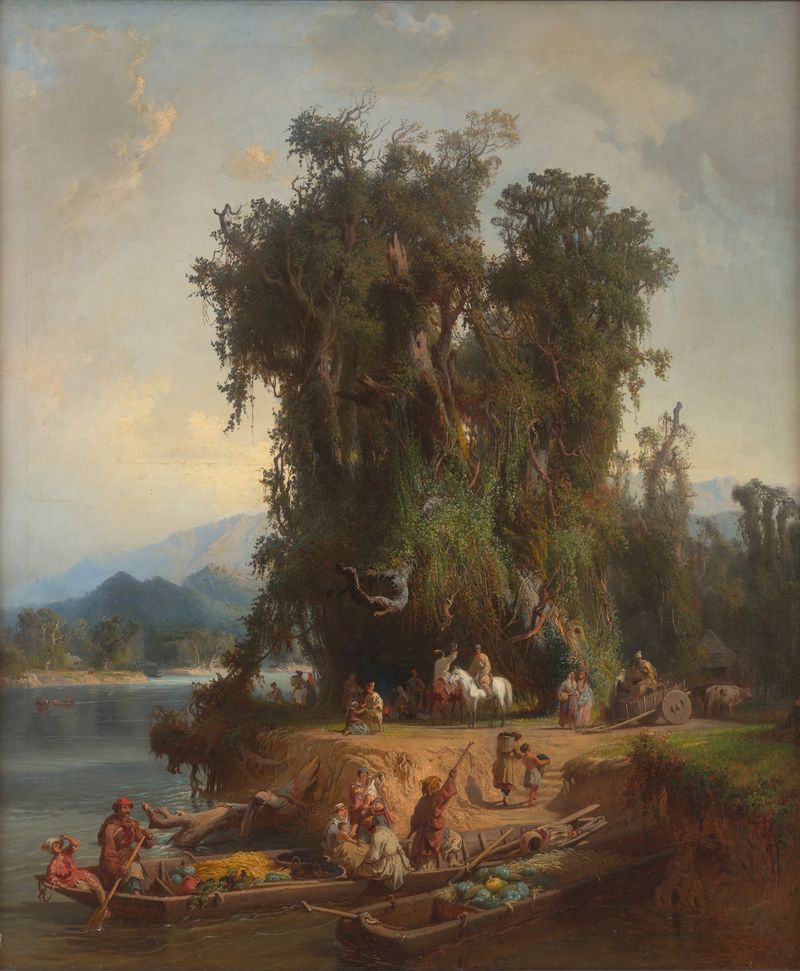
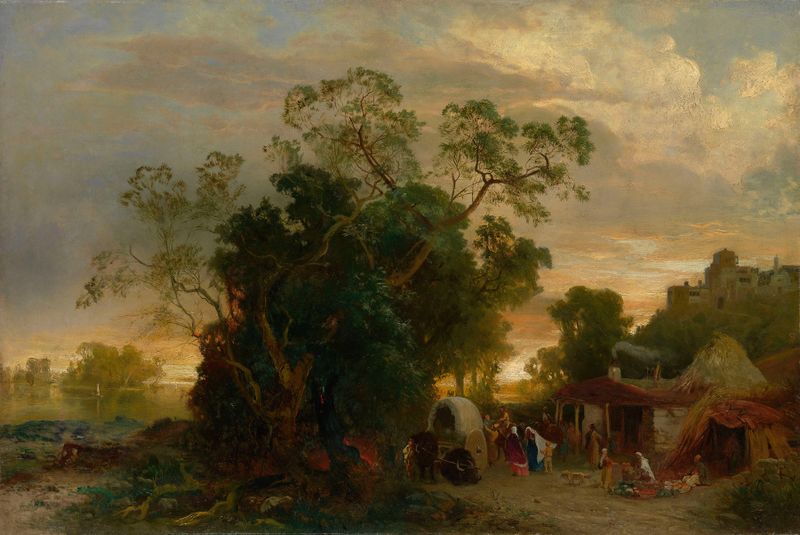
Where does light end, and longing begin? In View of Tiflis, a delicate interplay of sunlight and shadow captures a moment suspended in time, evoking an unquenchable yearning for connection and place. Look to the left at the gentle slope of the hills, bathed in a warm golden hue that suggests the end of day; the soft glow pulls the eye towards the distant city, where rooftops and spires rise against the horizon. Notice how the foreground is painted with a richer palette, the darker greens and browns contrasting with the ethereal light illuminating the landscape, creating an inviting yet elusive pathway. This careful composition invites the viewer not only to witness but to feel the weight of each brushstroke, breathing life into the serene yet melancholic vista. Beneath the tranquil exterior lies a narrative steeped in contrast.
The vibrant light kissing the hills represents hope and promise, while the shadowed city suggests the complexity of urban life and the unfulfilled desires that linger within it. There exists a tension between the natural beauty of the landscape and the man-made structures that tell of human ambitions and disappointments. The viewer can almost sense the stories untold within the buildings, longing for connection with a world that is both familiar and far away. In 1859, the artist painted this piece while living in a time of transformation in the art world, influenced by Romanticism’s emphasis on emotion and the sublime.
At this moment, he was exploring the beauty of his surroundings, capturing the essence of Tiflis while navigating his own artistic voice amid the burgeoning movements that sought to redefine how landscapes were rendered.