View of Venice — History & Facts
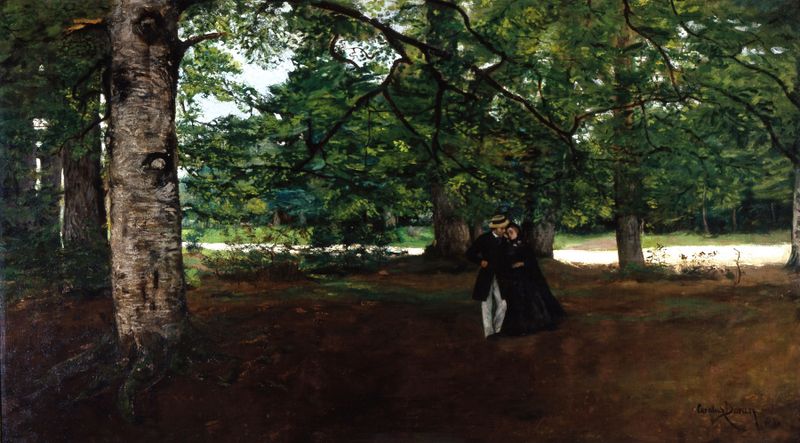
In View of Venice, the city unfolds like a dream, revealing the delicate balance between reality and revelation. The quiet beauty of this enchanting landscape invites contemplation, suggesting the depths of emotion that lie beneath its serene surface. Look to the left where the sun gently kisses the rooftops, casting warm golden tones against the cool blues of the water. The brushstrokes, both fluid and deliberate, guide your gaze across the shimmering canals and historic architecture, immersing you in the intricate interplay of light and shadow.
Notice how the artist captures the essence of Venice, with each stroke conveying the city's ethereal quality — a moment frozen in time yet alive with potential. Beneath the idyllic facade, the painting echoes a tension between permanence and ephemerality. The reflected images in the water shimmer with a sense of fleeting beauty, hinting at the city's complex history. The juxtaposition of vibrant colors alongside muted tones speaks of both celebration and nostalgia, capturing the paradox that defines this unique place.
It’s a reminder of how beauty can be both tangible and elusive, revealing hidden depths in the viewer’s own experience. Between 1865 and 1869, Carolus-Duran painted this work while navigating the vibrant artistic climate of the time. Living in Paris, he was influenced by the evolving Impressionist movement, which sought to capture the transient effects of light and atmosphere. This period marked a transitional moment in art, as traditional practices began to blend with innovative perspectives that ultimately reshaped the visual language of the era.