
View on the Seine; Harp of the Winds — History & Facts
What if silence could speak through light? In View on the Seine; Harp of the Winds, the very essence of nature resonates, echoing an obsession with the sublime. The painting captures a moment that feels both ethereal and grounding, a visual sonnet to the river that flows beyond the confines of our understanding. Focus first on the shimmering surface of the Seine as it reflects the soft hues of a transient sunset, the warm oranges and cool blues blending seamlessly. Notice how the trees, their delicate branches swaying gently, frame the composition, leading the eye toward the horizon where earth and sky merge.
Martin’s deft brushwork reveals texture and movement, each stroke imbued with the pulse of life, while the interplay of light invites the viewer to linger, creating a sense of harmony and peace. Delve deeper into the quiet tension this artwork conveys; the stillness of the water contrasts with the dynamic foliage, evoking an almost musical quality. The muted colors resonate with a sense of nostalgia, suggesting that this view is not merely a place, but a feeling — an obsession with fleeting beauty. The natural elements command attention, yet a trace of solitude lingers, whispering secrets only the wind might carry. Homer Dodge Martin painted this piece between 1893 and 1895, during a time when the Impressionist movement was firmly established, influencing artists across the globe, including himself.
Living in the aftermath of the American Civil War, he sought refuge in nature, channeling his experiences into landscapes that reveal both personal and collective identity. This work encapsulates a moment of reflection, a bridge between the artist’s internal world and the grandeur of the external landscape.
More Artworks by Homer Dodge Martin
Browse all →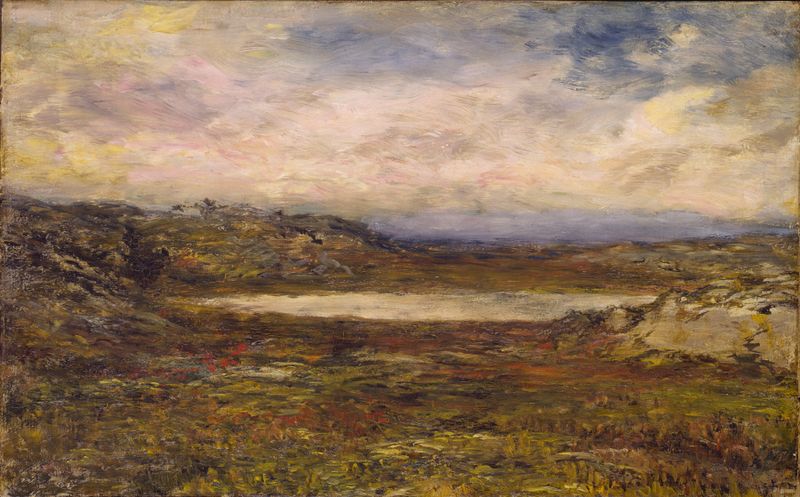
Wild Coast, Newport
Homer Dodge Martin

In the Housatonic Valley
Homer Dodge Martin
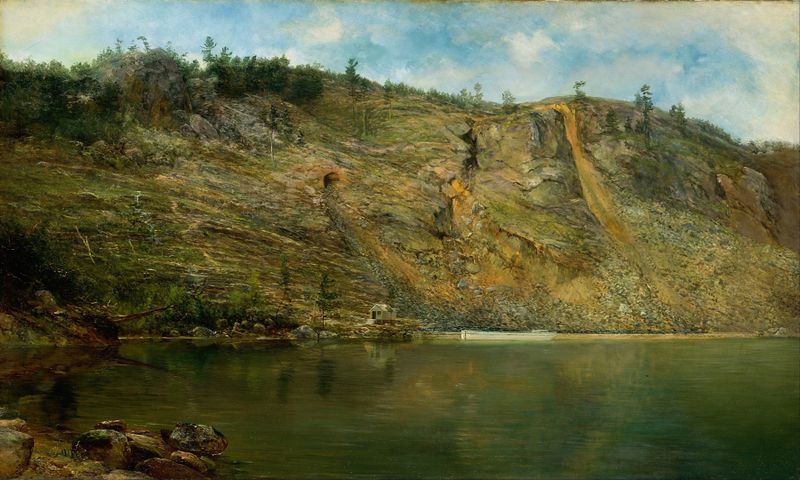
The Iron Mine, Port Henry, New York
Homer Dodge Martin
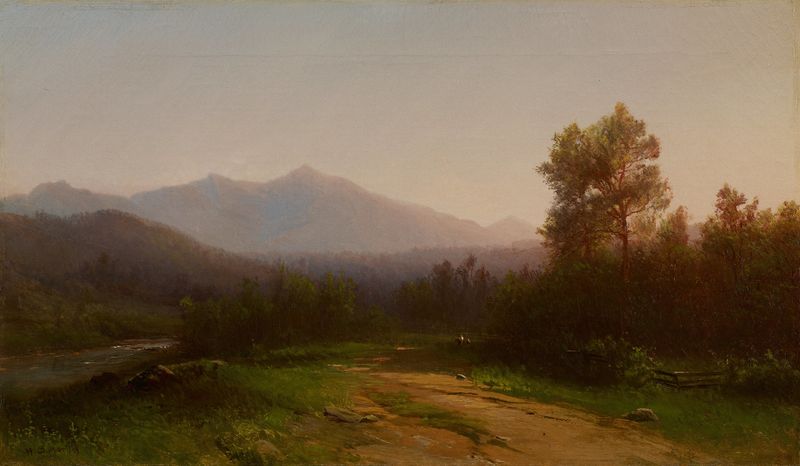
Hudson River Landscape
Homer Dodge Martin

Adirondack Lake
Homer Dodge Martin
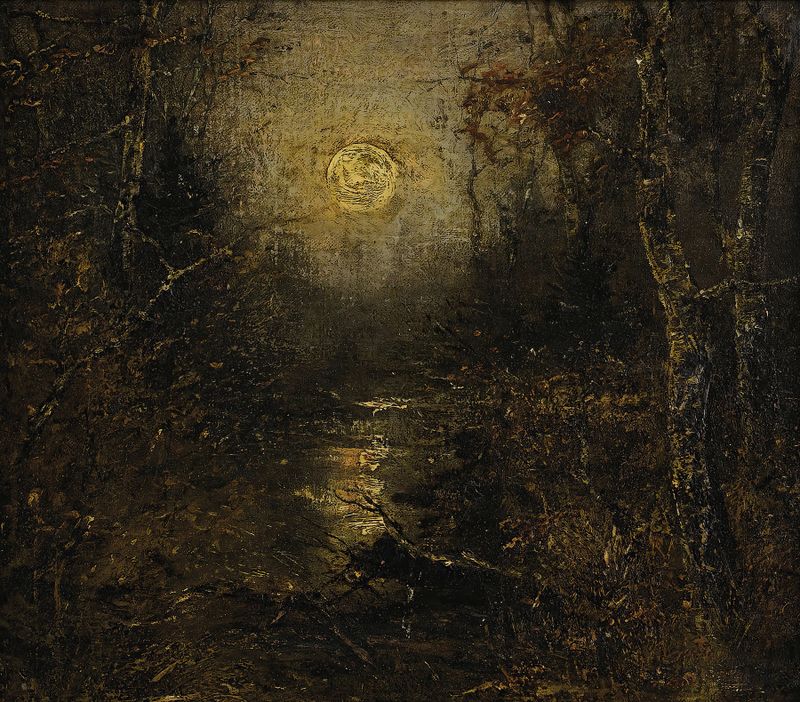
Moonlight Reflecting on Water
Homer Dodge Martin

View of the Housatonic
Homer Dodge Martin

On the Seine
Homer Dodge Martin
Wild Coast, Newport
Homer Dodge Martin
Upper Ausable Lake
Homer Dodge Martin





