
Vijzelstraat te Amsterdam, voor de verbreding — History & Facts
In a world where betrayal often masquerades as elegance, the delicate intricacies of a city tell untold stories. What lies beneath the surface of this urban landscape, where each building stands like a sentinel, guarding secrets of those who walk its streets? Focus on the center, where the graceful lines of the architecture draw your eye immediately. The soft palette of muted browns and ochres warms the scene, while dappled light creates a gentle play upon the cobblestones.
Notice how the shadows stretch languorously, adding depth and mystery to the passageways, suggesting the presence of unseen lives intertwined with the city’s fate. Each brushstroke feels deliberate, revealing the meticulous nature of the artists as they capture both the charm and the melancholy of this bustling locale. As you explore further, the juxtaposition of vibrant life against the stillness of the structures hints at deeper emotional currents. The buildings may appear steadfast, yet their very presence evokes a sense of longing, echoing the betrayals that pulse beneath the surface of daily life.
This haunting tension invites viewers to contemplate their own experiences of fidelity and fracture within the confines of familiarity. The cobblestones, worn yet resilient, mirror the endurance of a city grappling with change — they speak of countless stories, both joyous and sorrowful. The Gebr. van R. created Vijzelstraat te Amsterdam, voor de verbreding between 1900 and 1915, during a period of transition in the Dutch art scene.
The artists, highly influenced by Impressionism, sought to capture the essence of urban life in their works. Amidst the shifting socio-political landscape of Europe, they endeavored to reflect the evolving nature of community and identity in a rapidly modernizing world.
More Artworks by Gebr. van R.
Browse all →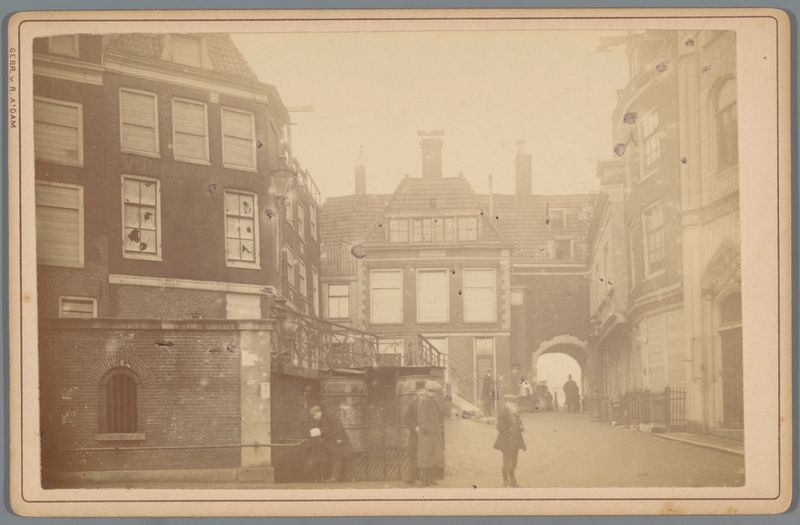
Gezicht op het Beursplein en Beurspoort in Amsterdam
Gebr. van R.
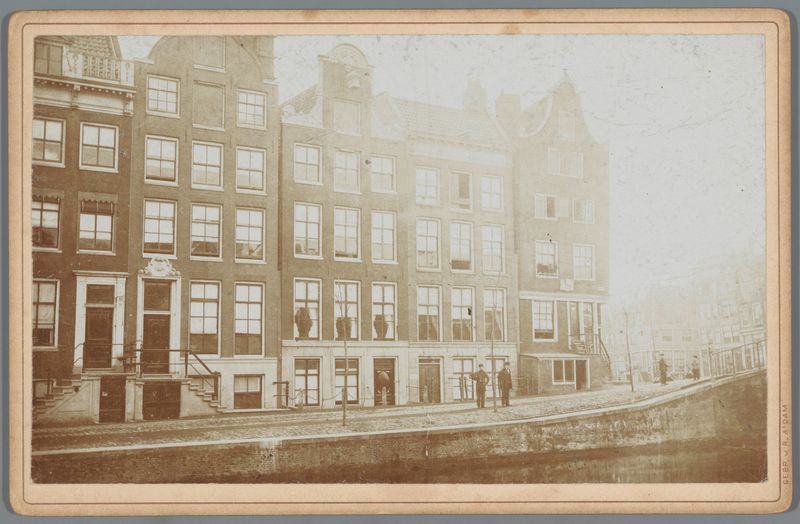
Huizen aan de Prinsengracht ter hoogte van de Spiegelgracht in Amsterdam
Gebr. van R.
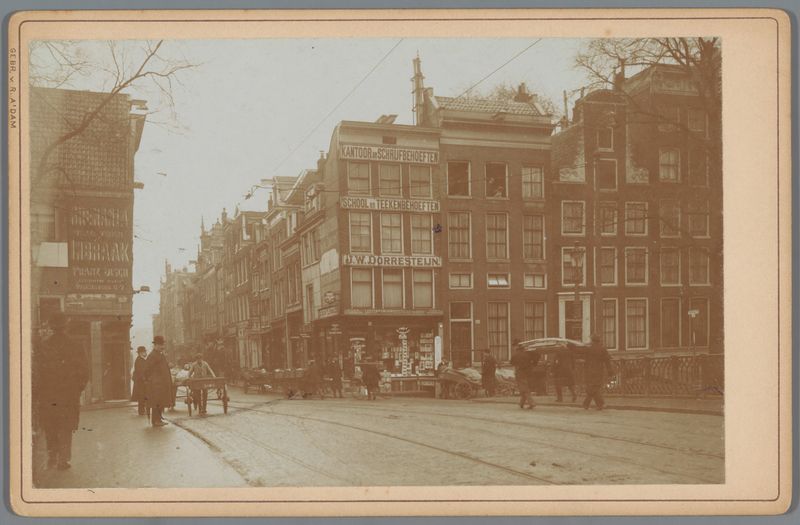
Gezicht op de Vijzelstraat vanaf de Keizersgracht in Amsterdam
Gebr. van R.
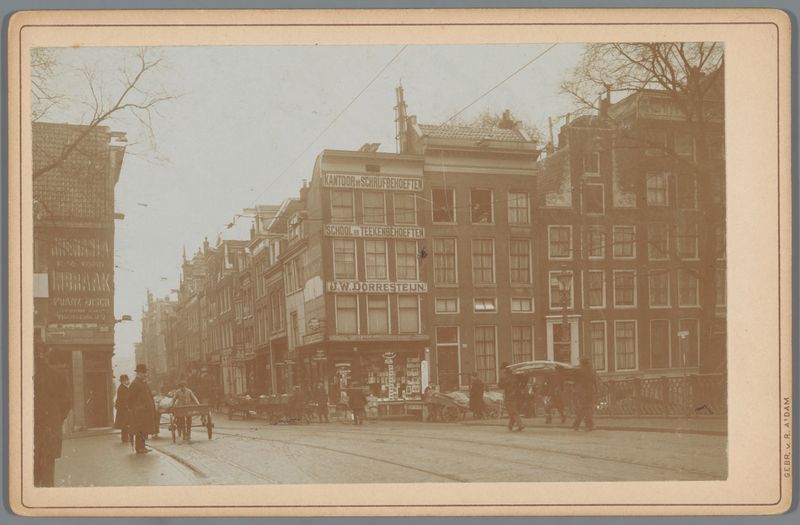
Gezicht op de Vijzelstraat vanaf de Keizersgracht in Amsterdam
Gebr. van R.
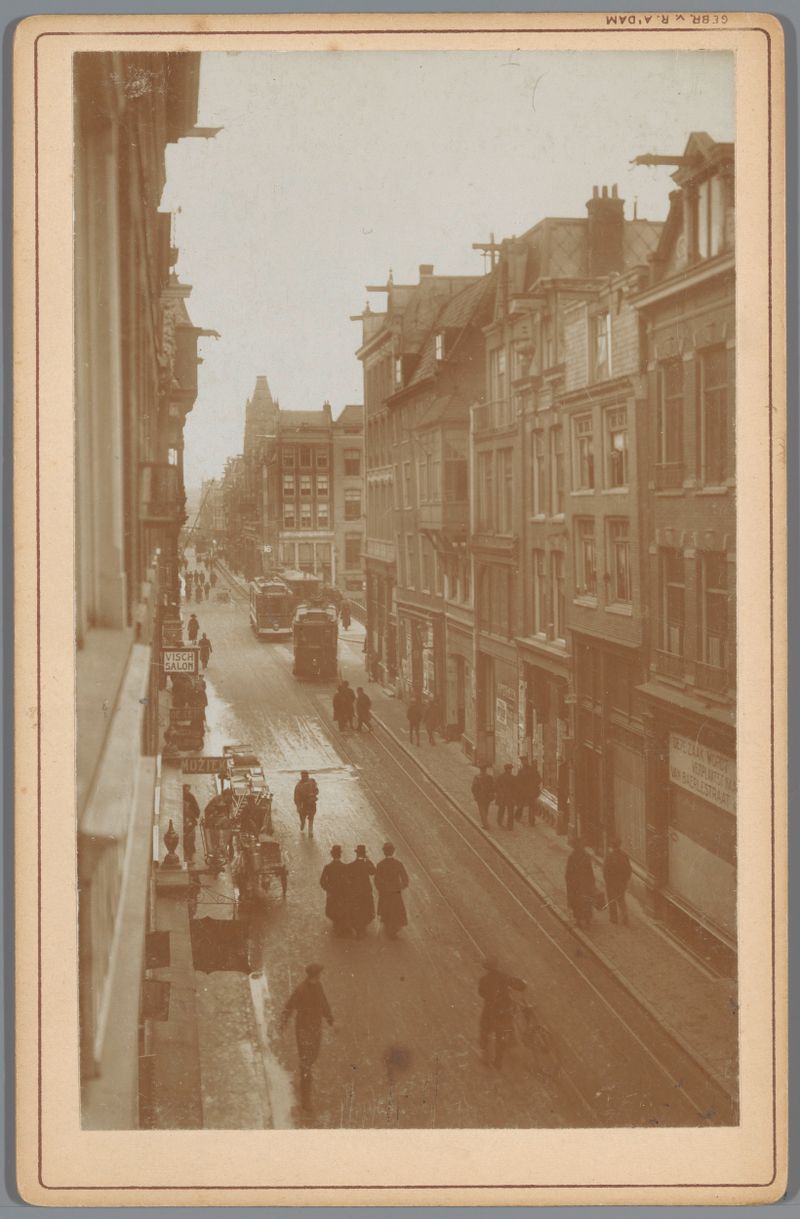
Vijzelstraat te Amsterdam, voor de verbreding
Gebr. van R.
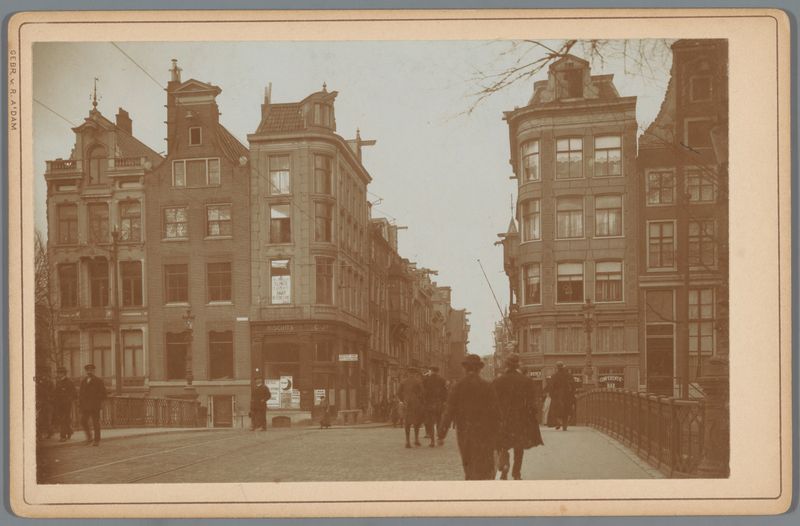
Gezicht op de Vijzelstraat in Amsterdam
Gebr. van R.
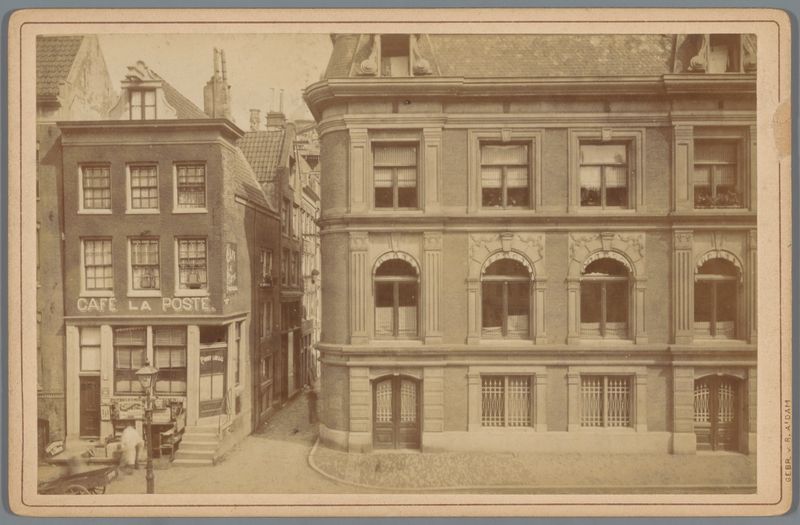
Gezicht op het voormalige kantoor van Jacob Ankersmit en Café La Poste in Amsterdam
Gebr. van R.
More Architecture Art
Browse all →
The statue of Liberty
Frédéric Auguste Bartholdi

View of Houses in Delft, Known as ‘The Little Street’
Johannes Vermeer

View of Houses in Delft, Known as ‘The Little Street’
Johannes Vermeer

The Cathedral in Rouen. The portal, Grey Weather
Claude Monet

The yellow house
Vincent van Gogh

The Church in Auvers-sur-Oise, View from the Chevet
Vincent van Gogh