
Virgin and Child — History & Facts
When did color learn to lie? In the gentle interplay of hues and forms, the Virgin and Child beckons the viewer to unravel the truths hidden beneath its painted surface. Look to the center of the canvas, where the Virgin Mother cradles the child with an intimate tenderness that seems to transcend time itself. The soft blues of her robe juxtapose against deep reds, creating a visual harmony that envelops both figures. Notice how the light dances upon their skin, rendering a luminous quality that breathes life into the scene, while the delicate brushstrokes reveal an exquisite attention to detail, particularly in the facial expressions that convey profound emotion. Yet beneath this serene facade lies a complex narrative.
The Virgin's downcast gaze suggests a weight of responsibility and sorrow, perhaps hinting at the trials to come. The child, innocent and joyful, contrasts sharply with her expression, underscoring the tension between hope and despair. This duality invites contemplation on motherhood's joys and sacrifices across time, where the social and spiritual realms intertwine with personal sacrifice. Created between 1515 and 1530, the work emerges from an era rife with religious fervor and artistic exploration across Europe.
During this period, artists were increasingly pushing the boundaries of realism and emotional depth in religious imagery. The artist remains unknown, which only adds to the mystique of this piece, as it reflects the collective aspirations and struggles of a society grappling with the complexities of faith and humanity during the Renaissance.
More Artworks by Unknown Artist
Browse all →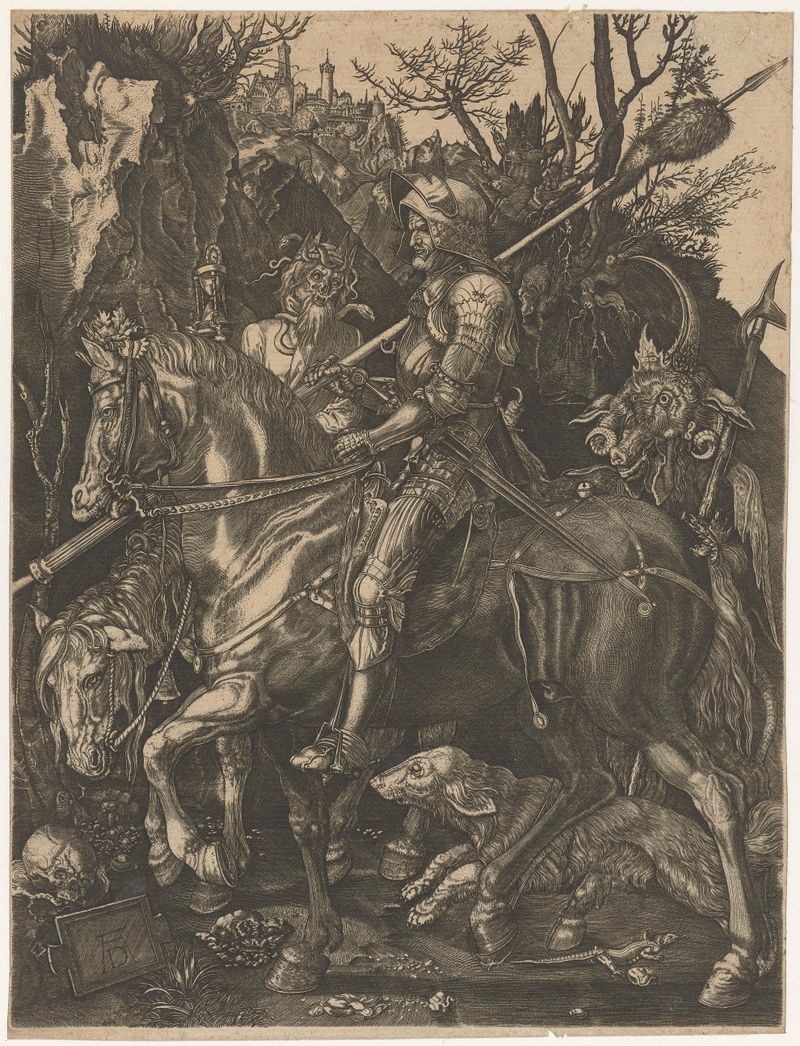
Ridder, Dood en Duivel
Unknown Artist
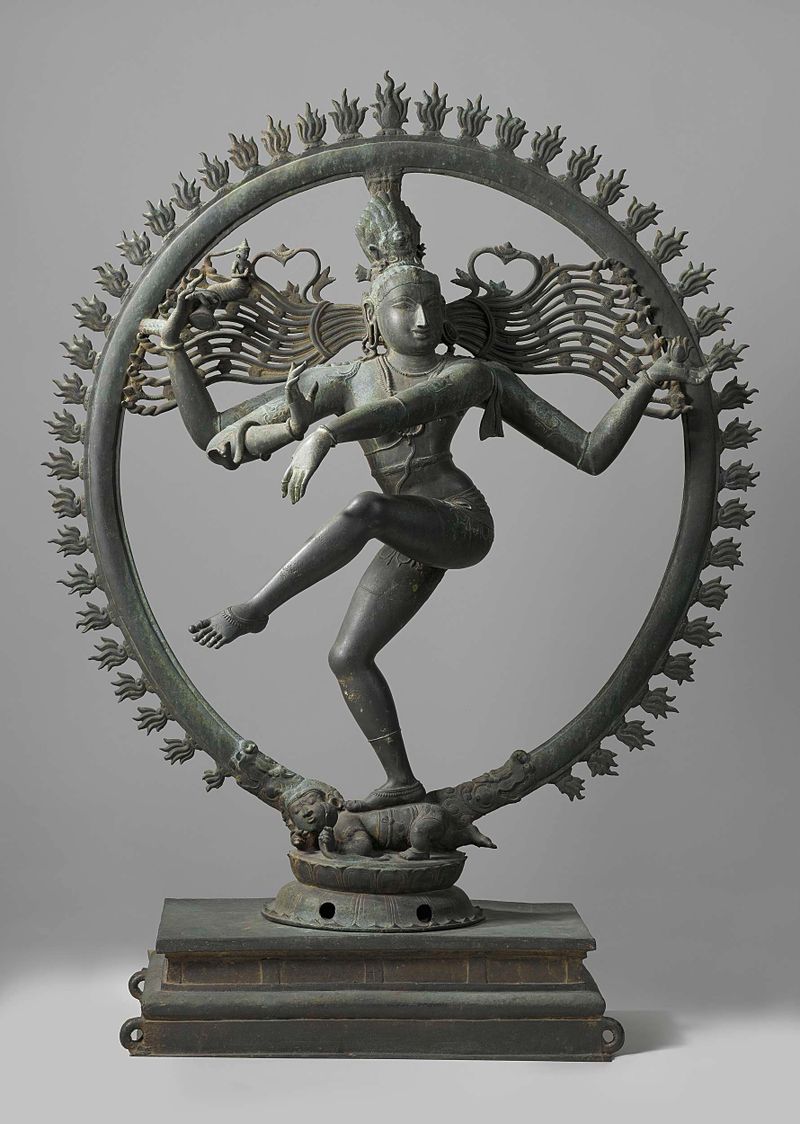
Shiva Nataraja
Unknown Artist
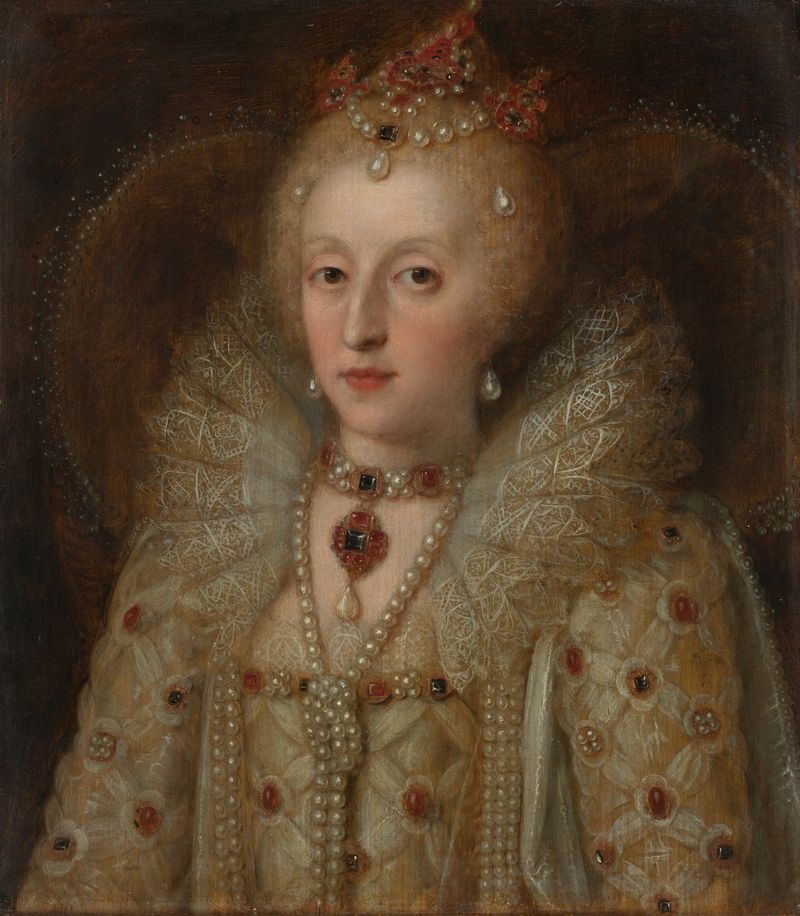
Portrait of Elizabeth I, Queen of England
Unknown Artist
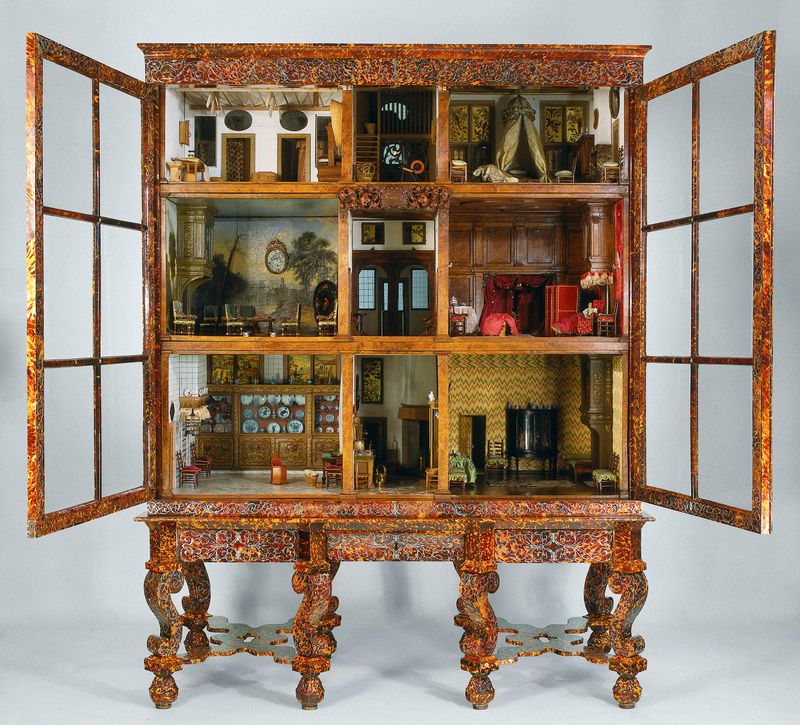
Dolls’ house of Petronella Oortman
Unknown Artist
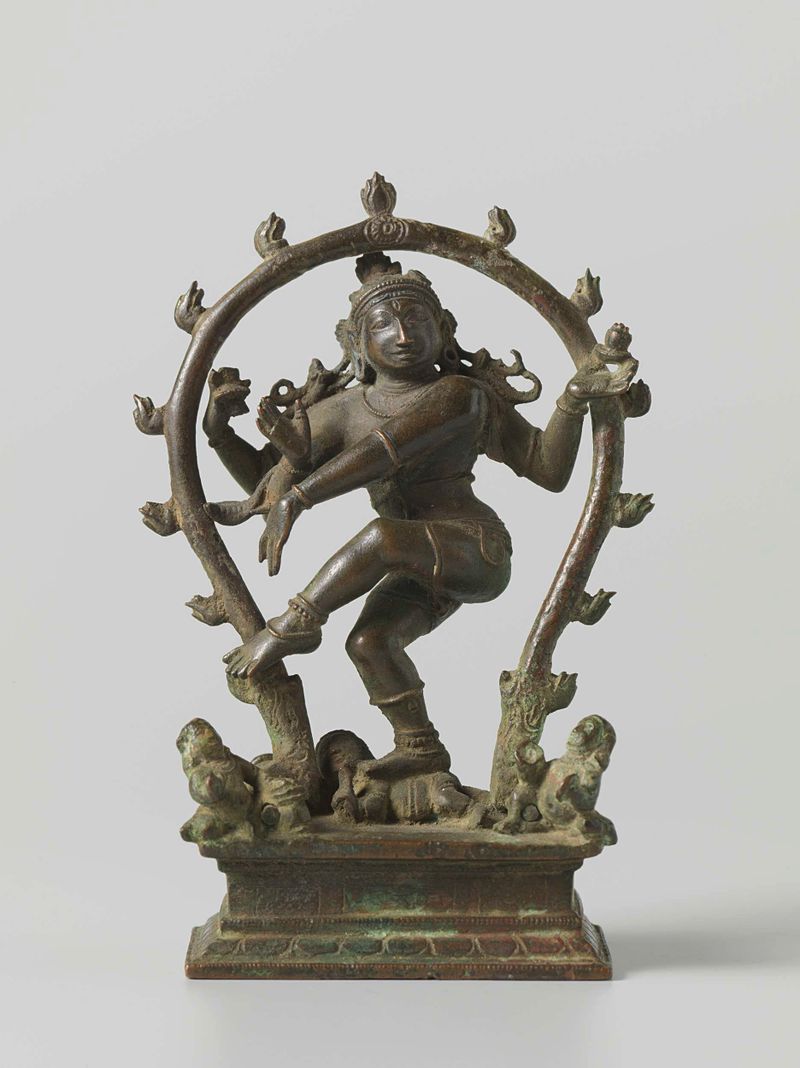
Shiva Nataraja
Unknown Artist

The Tale of Genji
Unknown Artist

The Tale of Genji
Unknown Artist
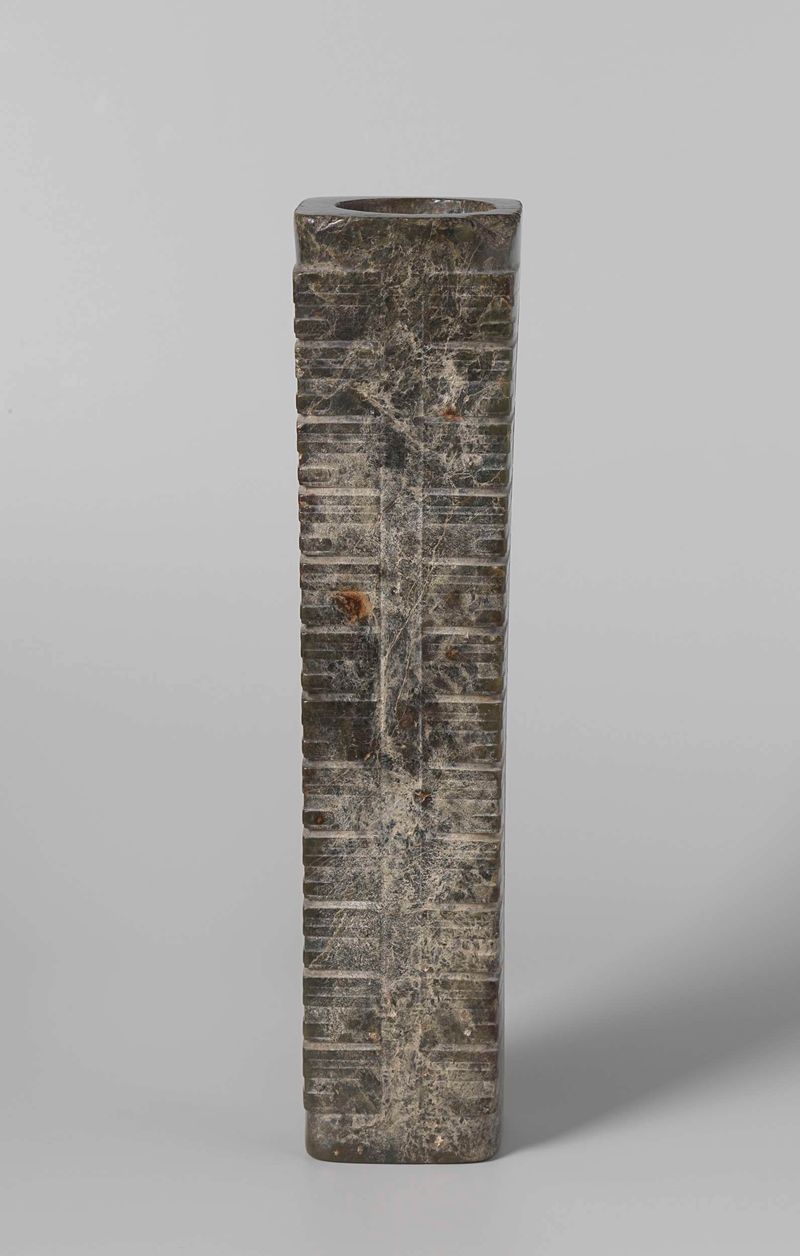
Cong
Unknown Artist
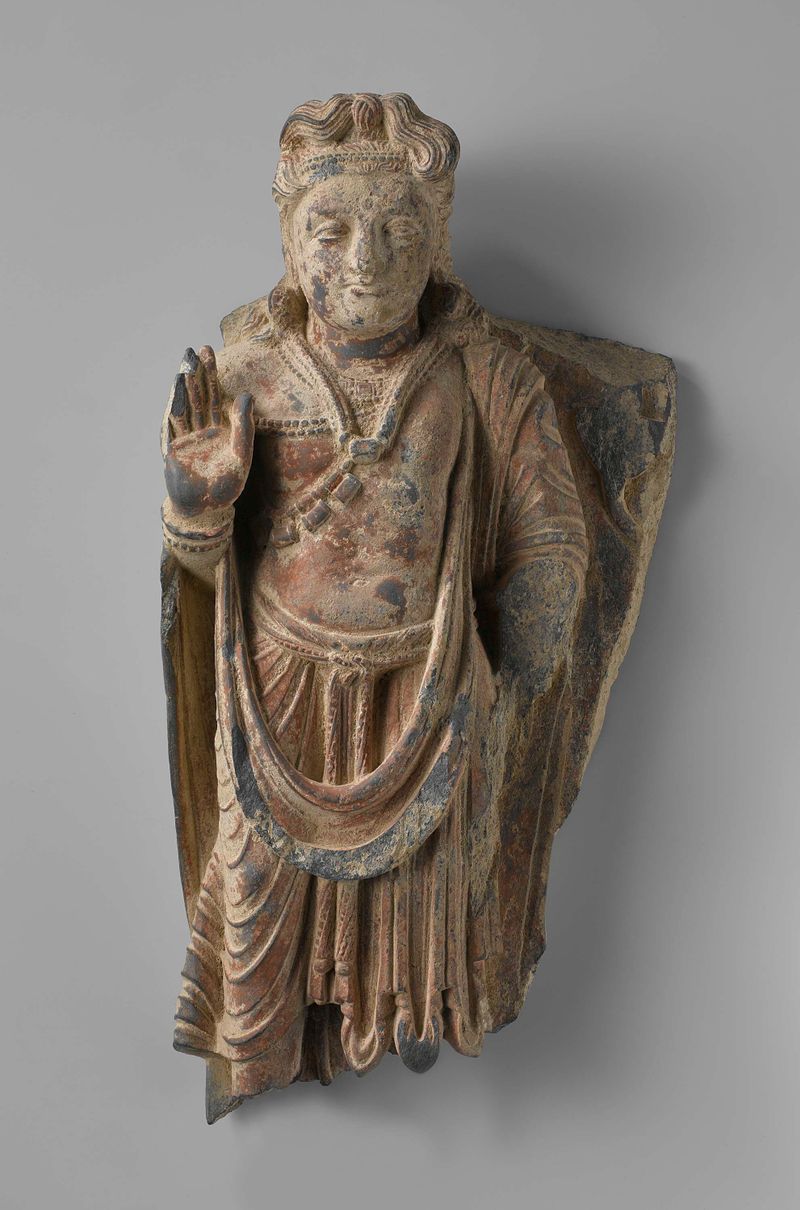
The bodhisattva Maitreya
Unknown Artist
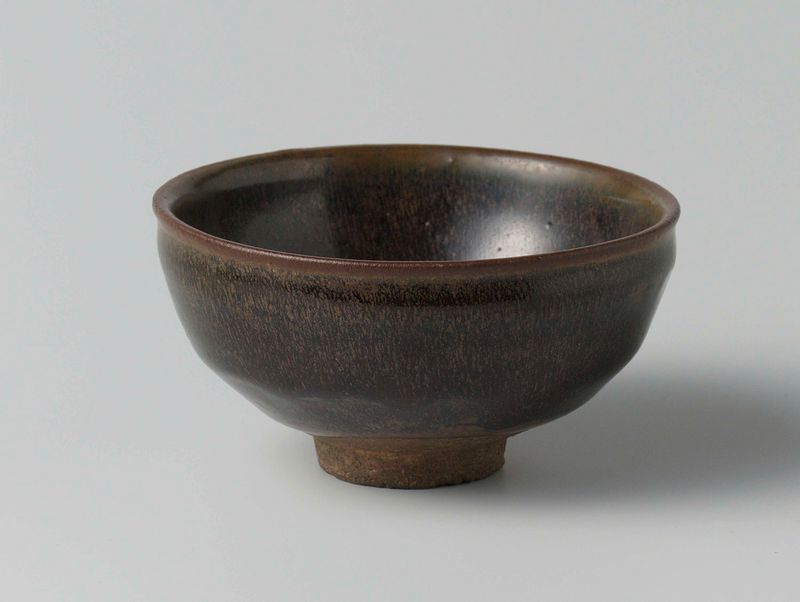
Teabowl with a 'hare's fur' glaze
Unknown Artist
More Religious Art
Browse all →
The Return of the Prodigal Son
Rembrandt van Rijn

The Garden of Earthly Delights
El Bosco

Count Orgaz’ funeral
El Greco

The Hundred Guilder Print: the central piece with Christ preaching, the plate arched
Rembrandt van Rijn

The Descent from the Cross
Rogier van der Weyden

The return of the prodigal son
Rembrandt van Rijn