
Vue de Bornhofen de la ruine de Liebenstein et de Sternberg ou les deux frères — History & Facts
In the realm of art, shadow serves as both a companion and a catalyst, transforming landscapes of turmoil into serene vistas. Look to the left of the canvas, where the ancient ruins of Liebenstein rise majestically against the backdrop of whispering hills. The interplay of light and shadow creates a dramatic topography, inviting your gaze upward to the sky, which seems to cradle the scene with a soft, ethereal glow. Notice the delicate brushwork that reveals the texture of the stone, firmly grounding the structure while the surrounding trees sway gently, their verdant hues contrasting sharply with the muted tones of the ruins. The juxtaposition of light and shadow here tells a story of resilience and decay.
The ruins stand as a testament to time's passage, their integrity compromised yet beautifully portrayed. Each stroke captures not only the physical remnants of a bygone era but also evokes a haunting sense of nostalgia, suggesting the ghosts of those who once walked these paths. The two brothers, symbolized by the intertwined structures, represent the duality of existence—strength amidst vulnerability, memory intertwined with loss. Working during an unspecified time, Bleuler was part of the Romantic movement, influenced by his surroundings in Switzerland.
This period was marked by a growing emphasis on nature and emotion in art, as artists sought to convey deeper connections with their landscapes. The absence of an exact date allows for speculation about the artist's state of mind, yet it is clear that he was captivated by the interplay of shadows, weaving together personal and collective histories against a backdrop of transformation.
More Artworks by Johann Ludwig Bleuler
Browse all →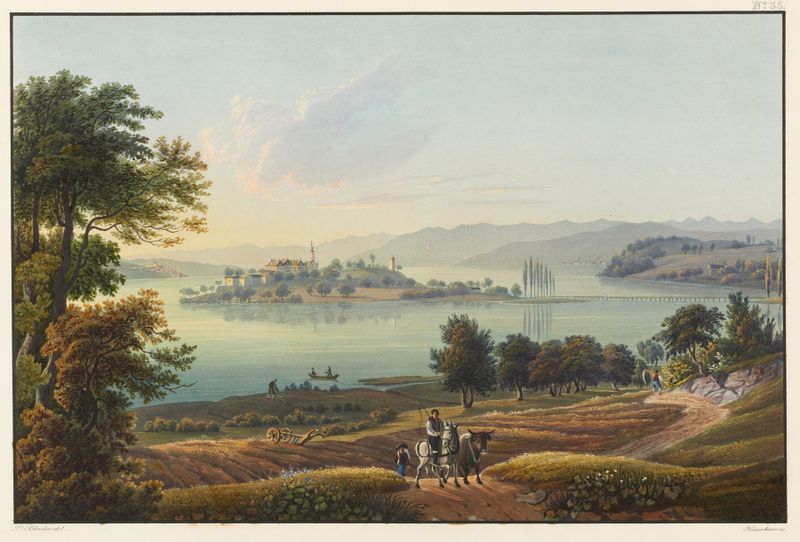
Vue de l’Jsle de Meynau dans le lac de Constance
Johann Ludwig Bleuler
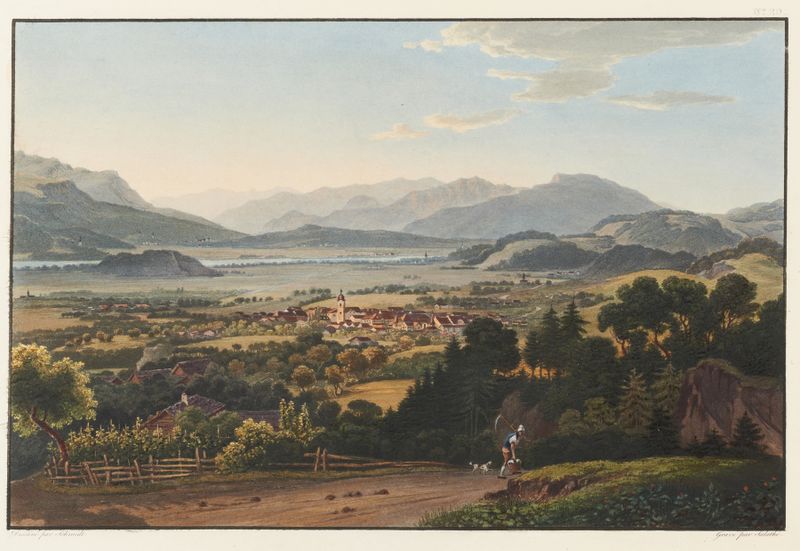
La petite ville d’Altstatten dans la valée du Rhin, Canton de St. Gall
Johann Ludwig Bleuler
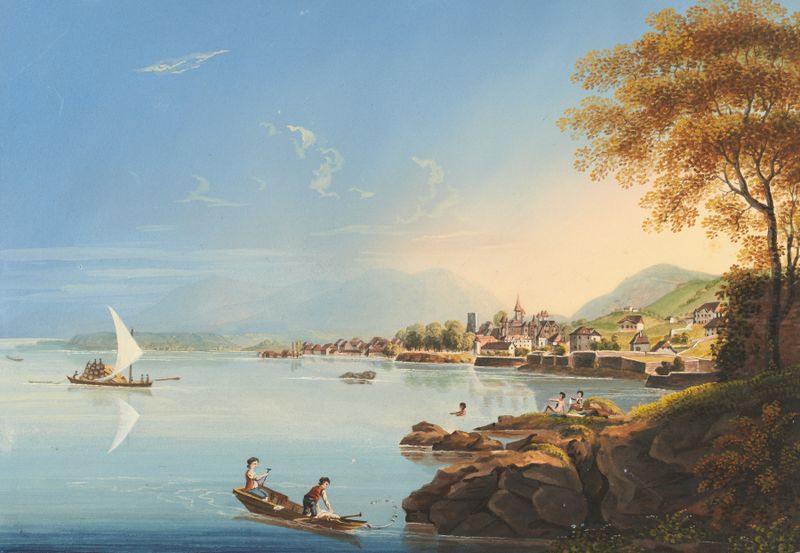
Vue de la ville de Neuchatel en Suisse
Johann Ludwig Bleuler
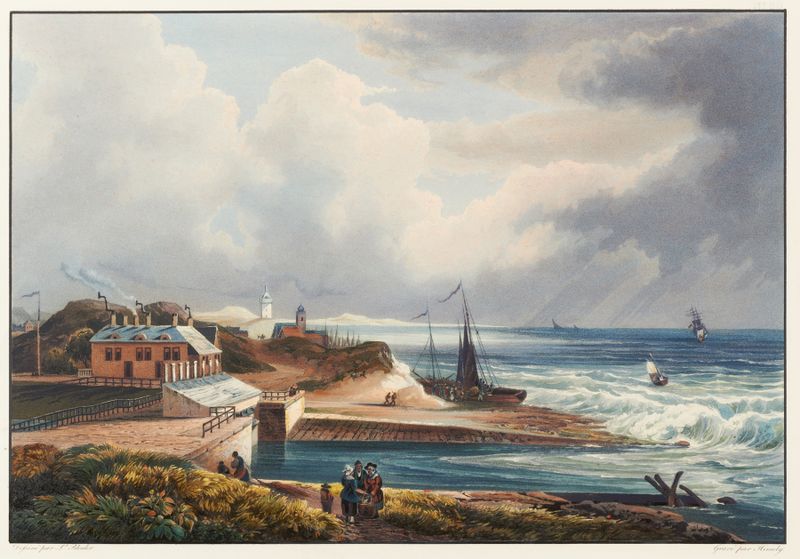
Vue de Katwyk et de l’embochure du Rhin, dans la Mer du Nord
Johann Ludwig Bleuler
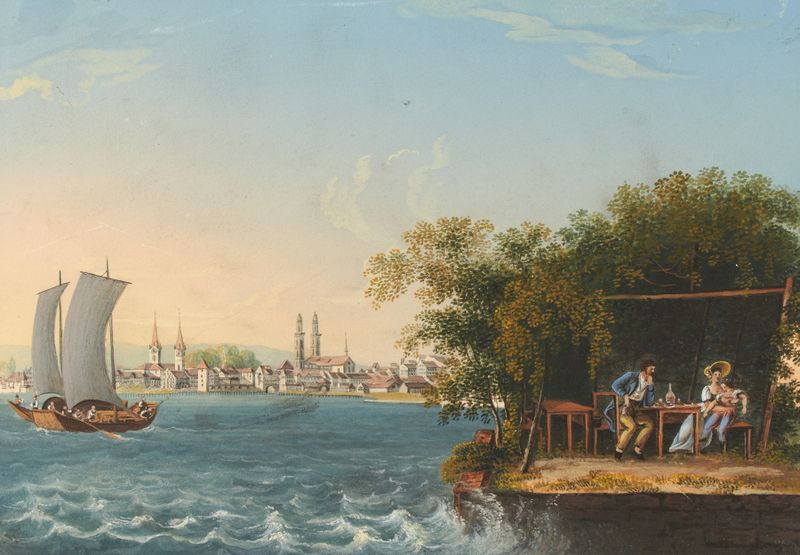
Vue de la ville de Zurich
Johann Ludwig Bleuler
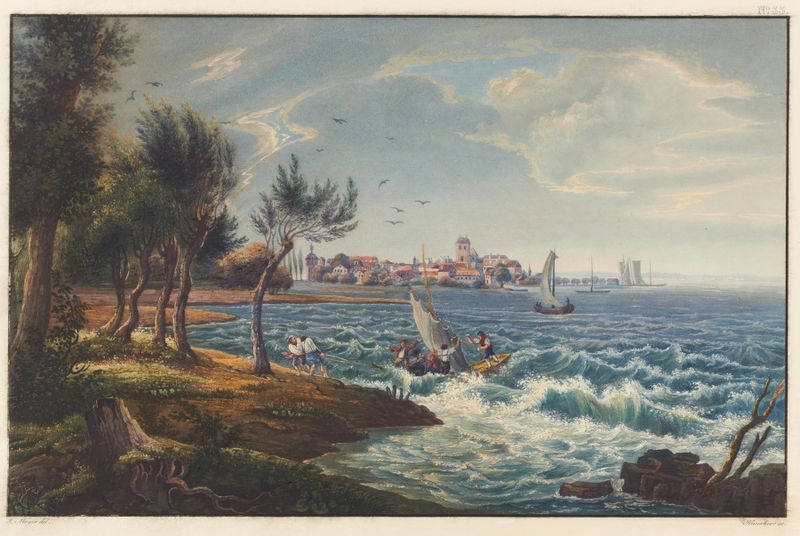
Vue de la ville d’Arbon et du lac de Constance
Johann Ludwig Bleuler
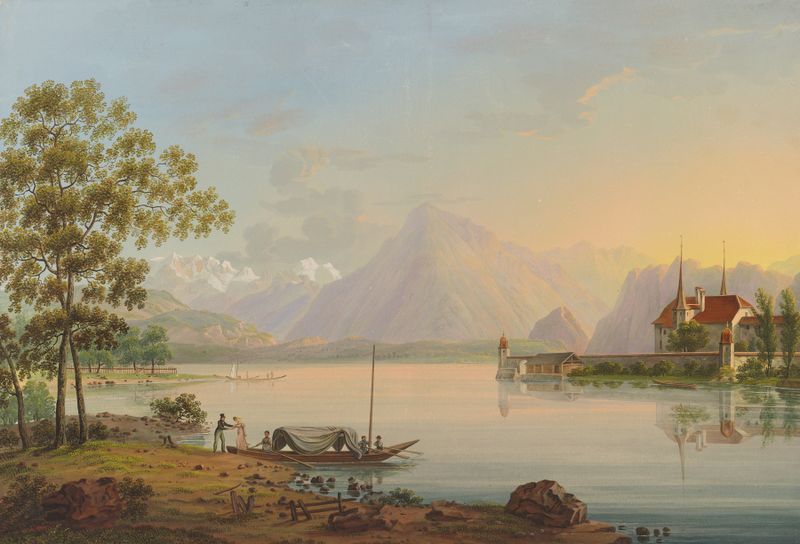
Thoun am Thounersee
Johann Ludwig Bleuler
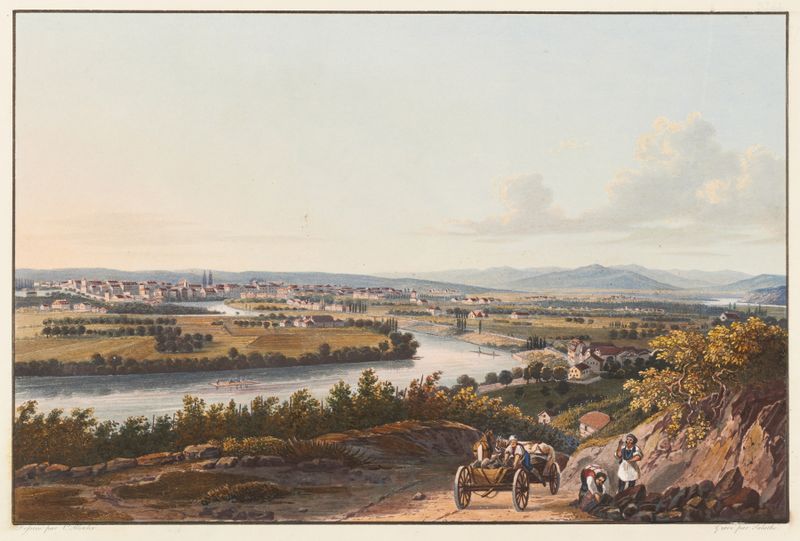
Vue de la ville de Bâle et de ses environs
Johann Ludwig Bleuler
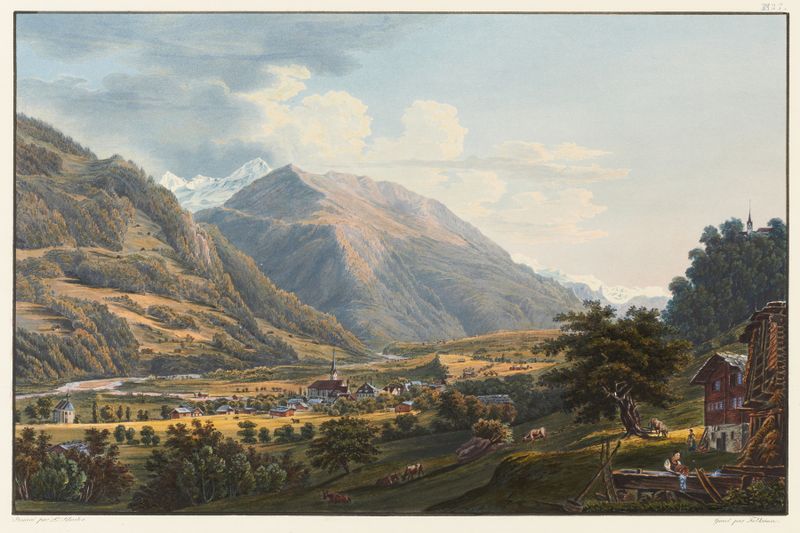
Vue du village de Trons, historique au sujet de la confederation du Canton des Grisons
Johann Ludwig Bleuler
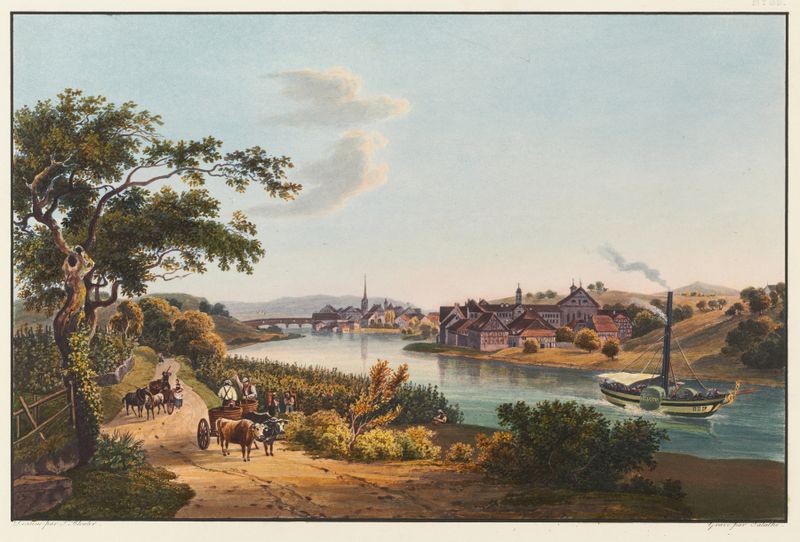
Vue de la ville de Diessenhofen et du Couvent de Catherinenthal
Johann Ludwig Bleuler





