
Vue de Fribourg et de la Sarine — History & Facts
In the quiet rustle of memory, hope emerges as a gentle whisper, an echo of beauty captured in stillness. Focus on the horizon first, where the expansive sky embraces the distant mountains. The artist employs soft blues and greens, creating a serene ambiance that invites contemplation. Notice how the delicate interplay of light dances across the landscape, illuminating the quaint architecture of Fribourg that nestles alongside the winding river.
Each brushstroke feels deliberate, as if Curty has distilled the essence of this scene into a moment that breathes life and unexpected joy. Beneath the idyllic surface lies a tension between permanence and transience. The steadfast mountains stand guard, their grandeur contrasting with the delicate, fleeting clouds overhead. This duality evokes a sense of yearning—hope persists even amidst the inevitable passage of time.
The flowing river, rich with reflections, suggests movement and change, a reminder that beauty is often found in the journey rather than the destination. Curty painted this work at an unknown date, likely in the mid-19th century, when a surge of Romanticism was sweeping across Europe. Born in Switzerland, the artist was deeply influenced by the landscapes of his homeland. At the time, artists sought to capture the emotional resonance of nature, reflecting the broader societal shifts towards individual experience and introspection.
In this context, Vue de Fribourg et de la Sarine stands as a testament to the enduring power of hope and memory in the face of an ever-changing world.
More Artworks by Joseph Emmanuel Curty
Browse all →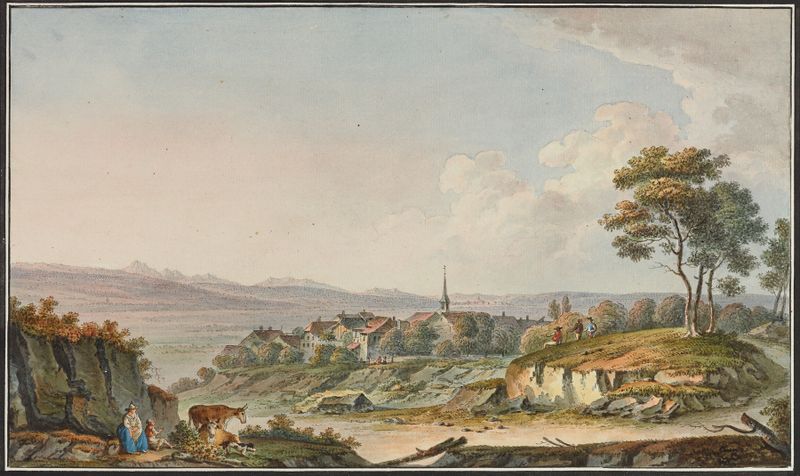
Vue de Constantine prés d’Avenche, Canton Léman
Joseph Emmanuel Curty
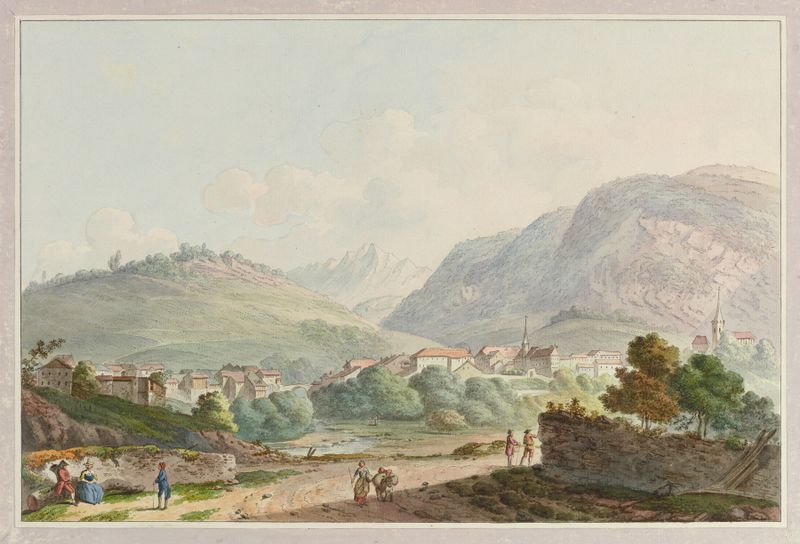
Vue de Montreux dans le Pays de Vaud
Joseph Emmanuel Curty
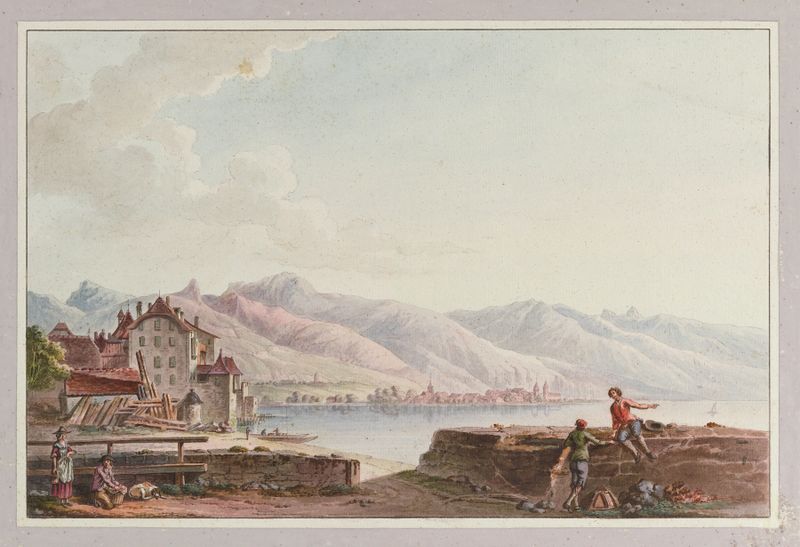
Vue d’une partie de la Ville de Vevey, prise d’epuis la promenade
Joseph Emmanuel Curty
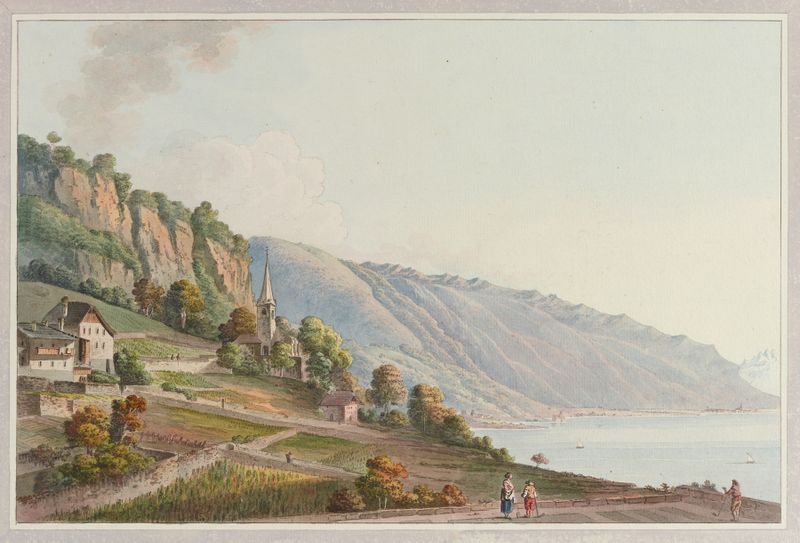
Vue d’une partie de Montreux pays de Vaud
Joseph Emmanuel Curty
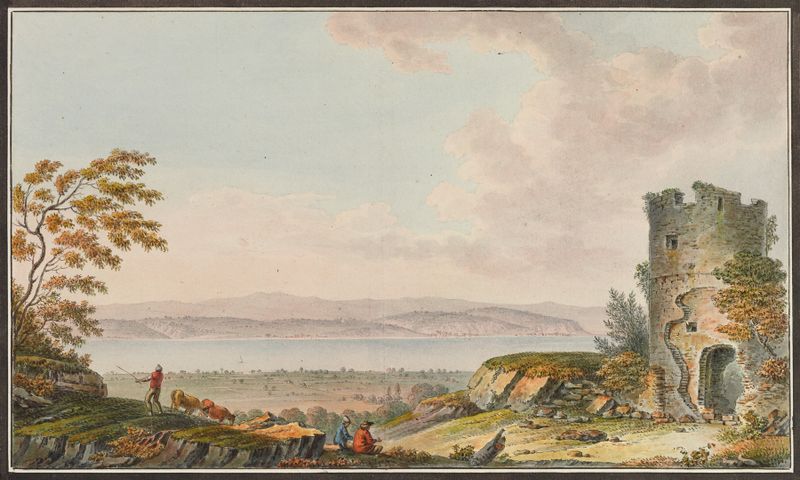
Vue de Lancienne Tour d’Avenche, et du Lac de Morat
Joseph Emmanuel Curty
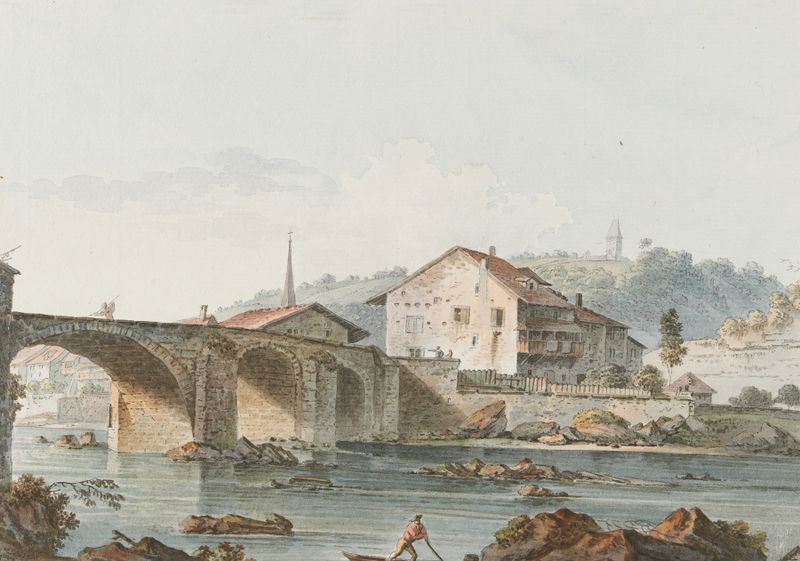
Vue d’un pont à Fribourg
Joseph Emmanuel Curty
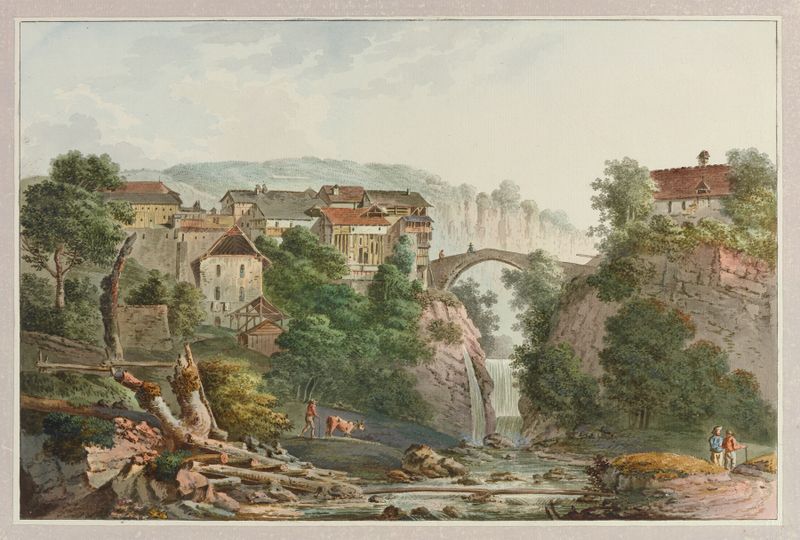
Vue du pont à Montreux, pays de Vaud
Joseph Emmanuel Curty





