
Vue de la rue Lakanal au Grand-Montrouge en 1889, effet de Lune. — History & Facts
Who listens when art speaks of silence? In the hushed glow of moonlight, a quiet street reveals the deep conversations of solitude and mortality. Look to the left at the delicate interplay of light and shadow that paints the cobblestones with a soft sheen, inviting you to step into the scene. The cool blues and muted yellows dominate the palette, suggesting a world not entirely awake yet stilled in reverence. Notice how the gnarled branches of the trees curve toward the sky, as if attempting to escape the heaviness of the night.
The architecture frames the composition, creating an intimate cocoon that amplifies the stillness and the unspoken anxieties that linger in the air. In this nocturnal moment, a profound tension emerges between the serenity of the landscape and the unseen lives hidden within the buildings. The moon’s silvery light becomes a symbol of introspection, illuminating not just the physical space but the weight of existence itself. Each empty window hints at the stories of those who dwell within—moments of joy, sorrow, and the inevitability of loss, blending together into a tapestry of human experience that echoes long after the night fades. Félix Brard painted this piece in 1889, a time when the Impressionist movement was gaining momentum in France, challenging traditional artistic conventions.
Living in the burgeoning artistic community of Paris, he was influenced by the changing urban landscape while grappling with themes of modernity and existence. This canvas reflects both his personal engagement with the world and the broader artistic exploration of light and atmosphere characteristic of his contemporaries.
More Artworks by Félix Brard
Browse all →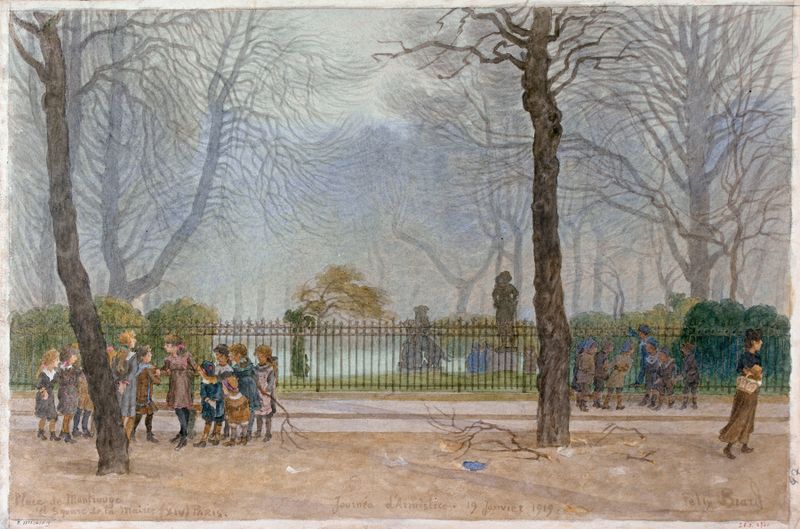
Place de Montrouge et Square de la Mairie (XIV) Paris.
Félix Brard
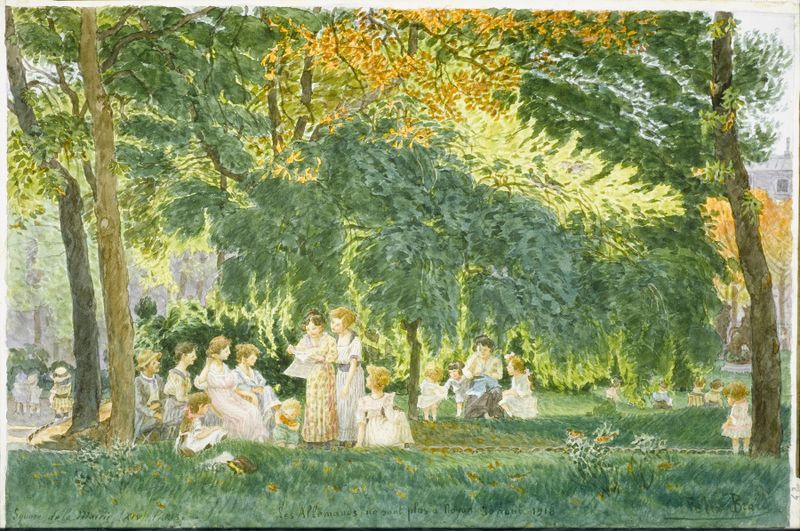
Square de la Mairie (XIV) Paris
Félix Brard
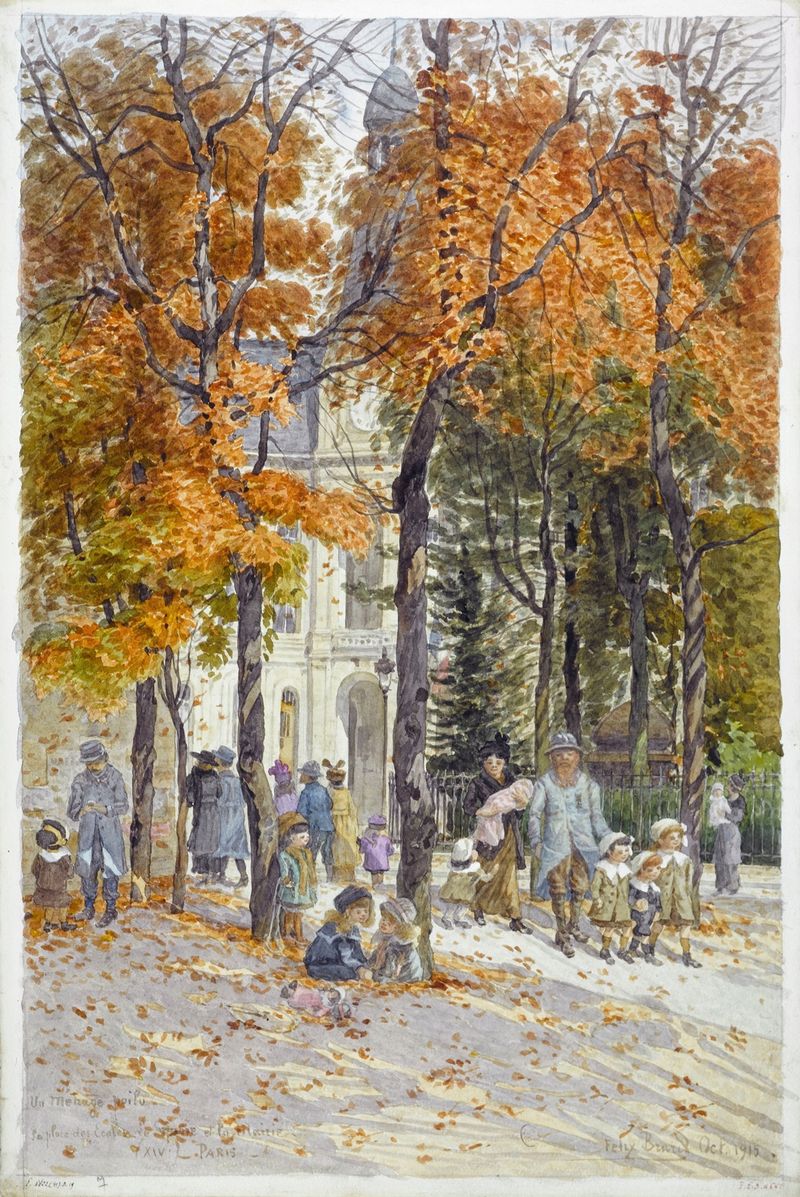
La place des Ecoles et le square de la Mairie du XIVème arrondissement
Félix Brard
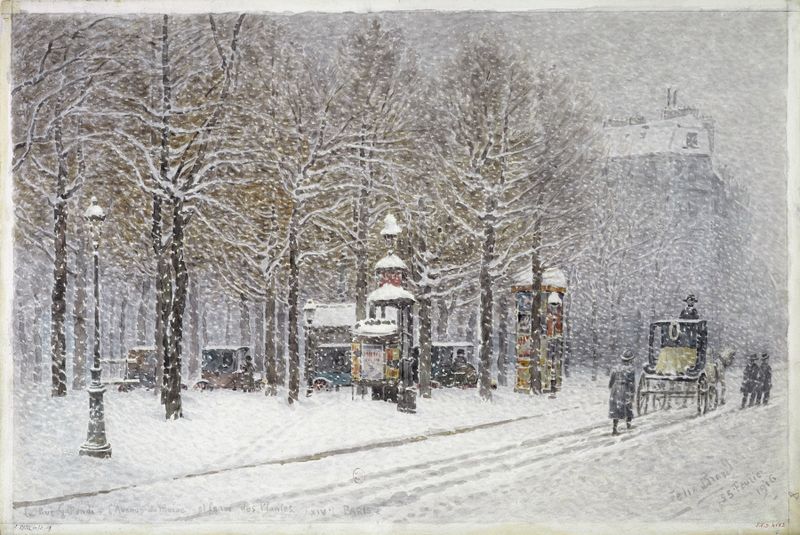
La rue Gassendi, l’avenue du Maine et la rue des Palntes sous la neige en Février 1916
Félix Brard
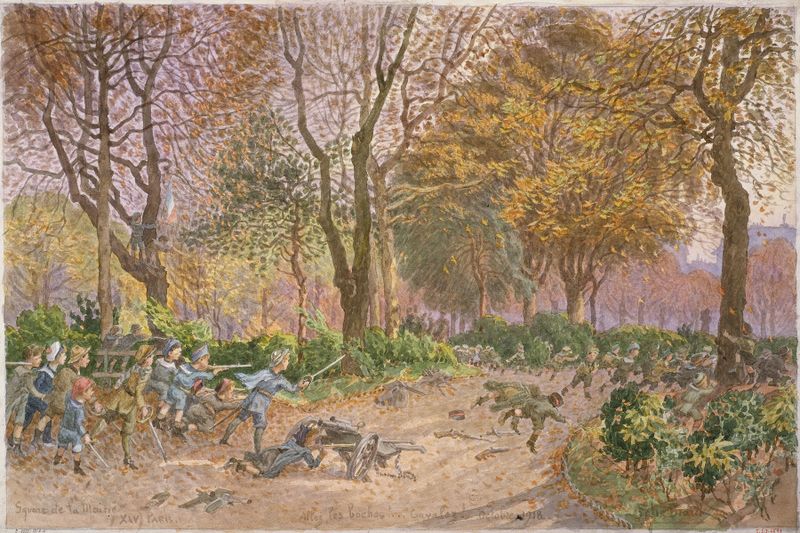
Enfants jouant à la guerre dans le square de la mairie du 14ème arrondissement
Félix Brard
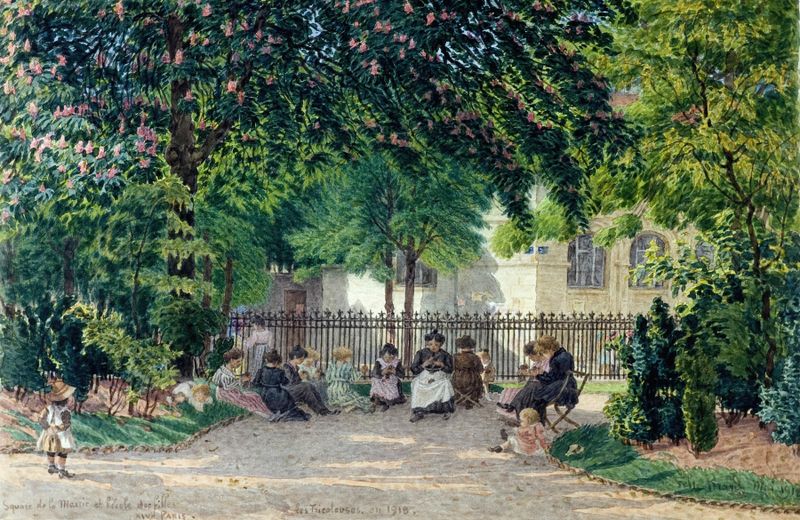
Tricoteuses au square de la mairie 14ème arrondissement en mai 1918
Félix Brard
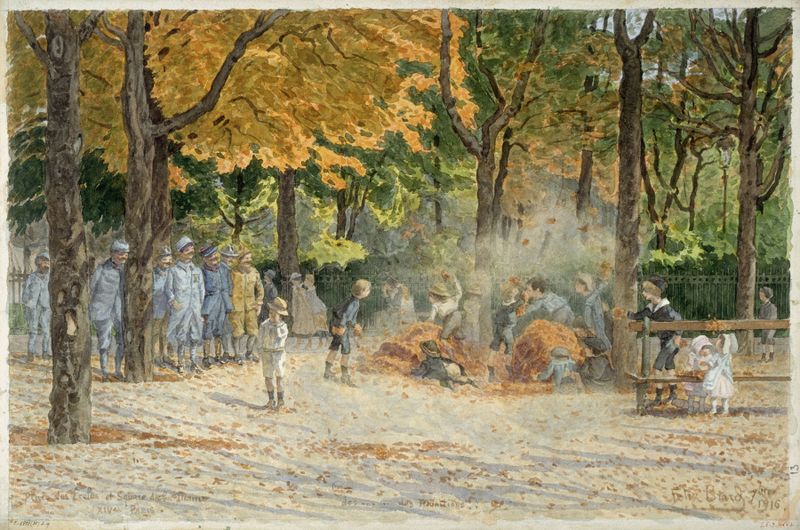
Place des Ecoles de la Mairie du XIVème arrondissement
Félix Brard

Square de la mairie du 14ème arrondissement, rue Mouton Duvernet le 4 juillet 1917
Félix Brard
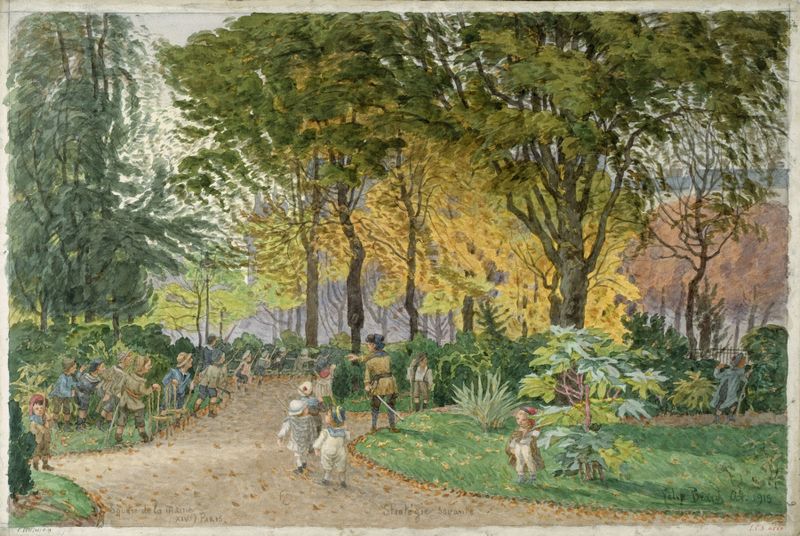
Square de la mairie du XIVème arrondissement
Félix Brard

Place de Montrouge, 14ème arrondissement de Paris, 25-29 Janvier 1918
Félix Brard





