
Vue de la Ville de Grandson — History & Facts
Did the painter know this moment would outlive them? The delicate strokes of time captured in a landscape may reveal an obsession with permanence amidst the fleeting nature of life. Look to the foreground, where the serene stretch of water reflects the gentle hues of a slowly setting sun. The artist has meticulously painted each ripple, infusing the scene with a tranquil rhythm that invites contemplation. As your gaze travels upward, notice the soft transition of colors in the sky—warm golds and cool blues intermingling like whispers of an evening breeze.
The composition, with its balanced elements of land and water, speaks of harmony, yet a subtle tension simmers underneath, hinting at the world beyond the canvas. Delving deeper, observe the silhouettes of distant mountains, only partially visible, suggesting both the allure and the mystery of the unknown. This geographical framing contrasts the intimate foreground, evoking a sense of duality—of closeness and distance, known and unknown. Each brushstroke seems to echo an obsessive desire to capture not just a view, but a fleeting moment that ties the viewer to the passage of time itself. Created during a period marked by the rise of landscape painting in Switzerland, the work reflects the artist's desire to immortalize the beauty of his surroundings.
The exact date of Vue de la Ville de Grandson remains uncertain, but it belongs to an era when artists sought to express both their personal experiences and the collective essence of nature. The landscape genre was evolving rapidly, and Sprüngli’s approach was both a product of its time and a testament to his keen eye for detail.
More Artworks by Niklaus Sprüngli
Browse all →
Vue de la Ville et des Environs de Soleure du Coté du Couchant
Niklaus Sprüngli
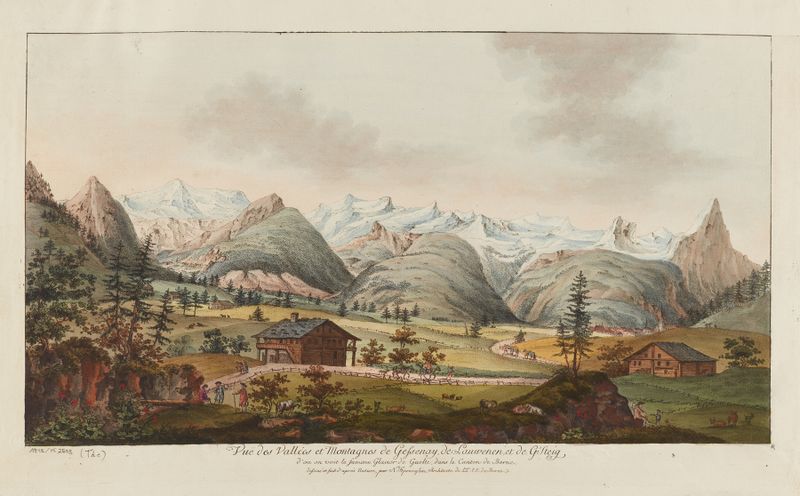
Vuë des Vallées et Montagnes de Gessenay, de Lauwenen, et de G’Steig d’ou on voit le fameux Glacier de Guelte, dans le Canton de Berne
Niklaus Sprüngli
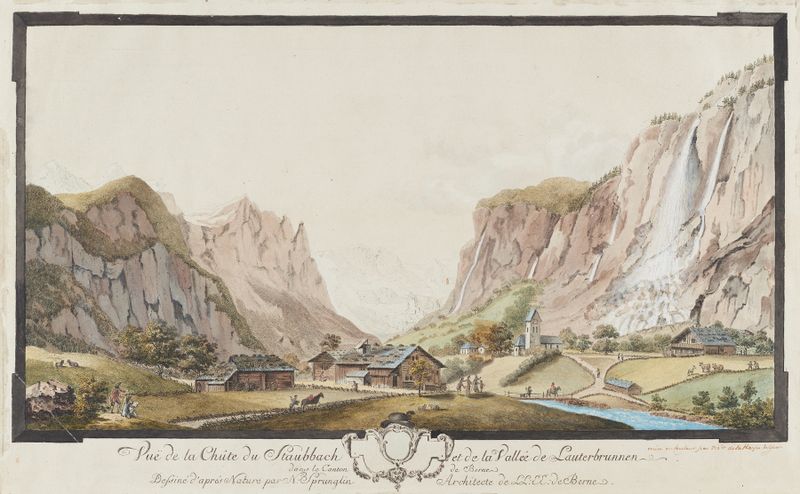
Vuë de la Chûte du Staubbach et de la Vallée de Lauterbrunnen dans le Canton de Berne.
Niklaus Sprüngli
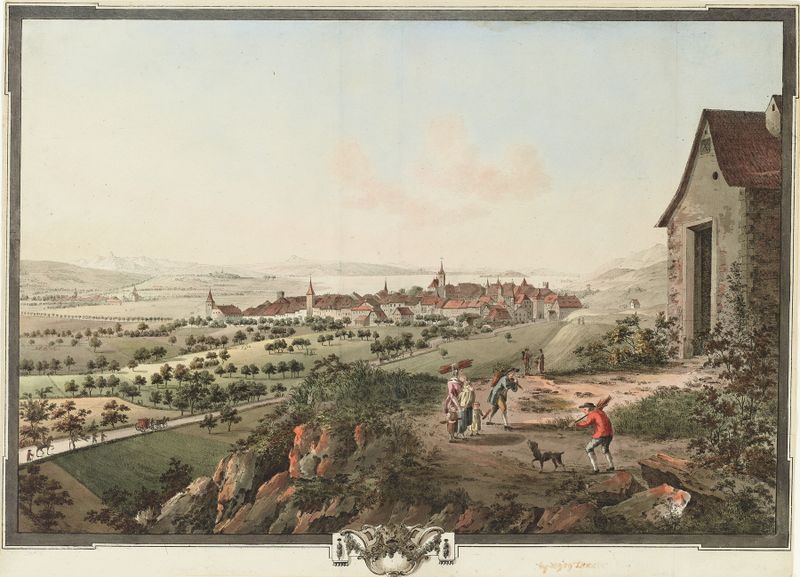
Vue de la Ville de Bienne, de Nidau et de l’Isle de St. Pierre avec les Environs du Lac de Bienne
Niklaus Sprüngli
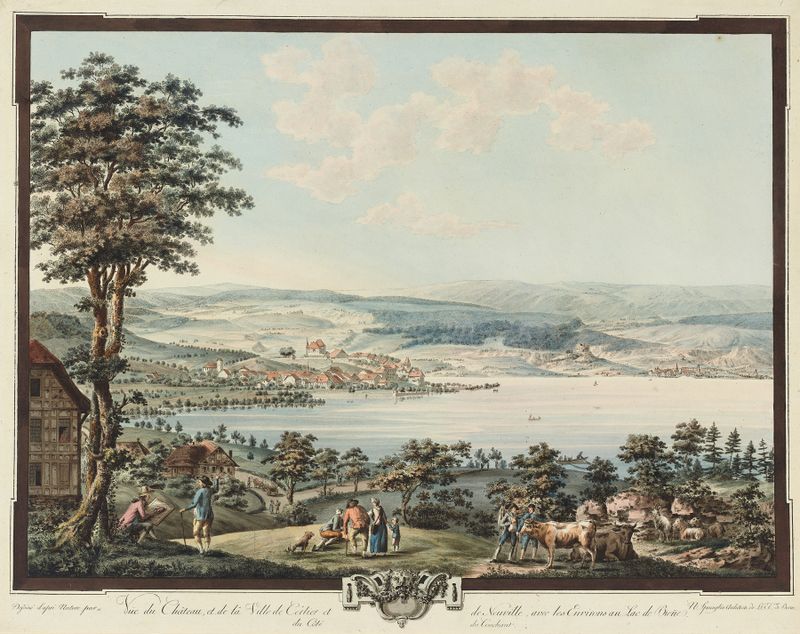
Vüe du Château, et de la Ville de Cerlier et de Neuville, avec les Environs au Lac de Bienne
Niklaus Sprüngli

Ansicht des Rothus bei Ostermundigen
Niklaus Sprüngli

Vuë de la Chûte du Staubbach et de la Vallée de Lauterbrunnen dans le Canton de Berne
Niklaus Sprüngli
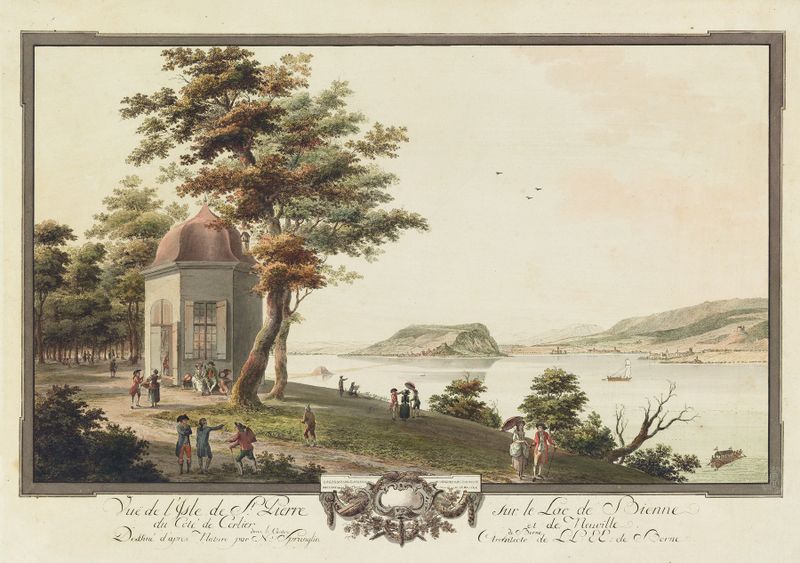
Vuë de l’Isle de St. Pierre sur le Lac de Bienne du Coté de Cerlier et de Neuville
Niklaus Sprüngli
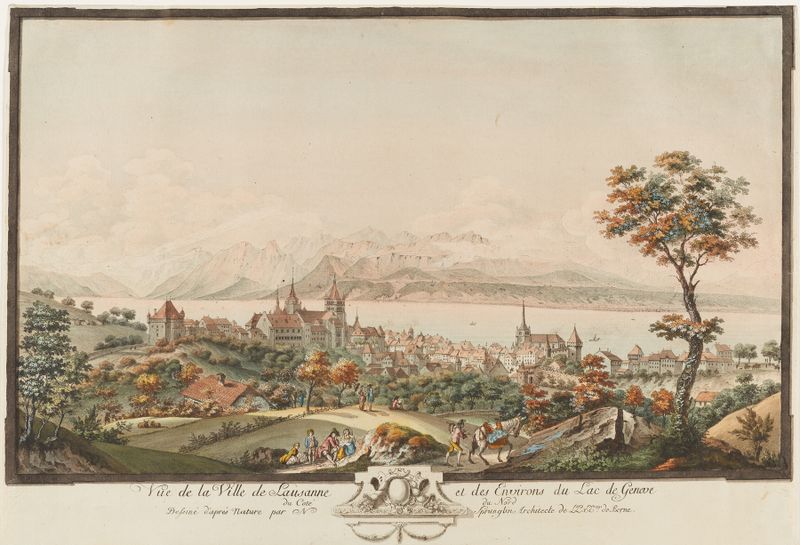
Vue de la Ville de Lausanne et des Environs du Lac de Genève du Coté du Nord
Niklaus Sprüngli
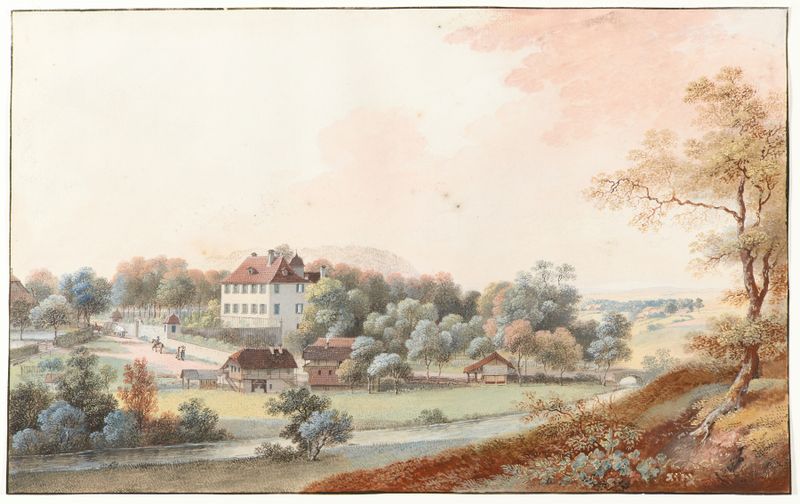
Ansicht der Wegmühle bei Bolligen
Niklaus Sprüngli





