
Vue de St. Goar et de la ruine de Rheinfels vers le rocher de Lourley — History & Facts
In the delicate balance of nature and form, the stroke of a painter’s brush can transform the ordinary into the extraordinary, forging a connection between the viewer and the scene that is both intimate and grand. Focus your gaze on the sweeping expanse of the river, where the gentle curves of the water reflect a soft palette of blues and greens. Notice how the distant hills cradle the horizon, their muted colors drawing attention to the focal point of the composition: the imposing ruins of Rheinfels perched atop the cliffside. This juxtaposition of nature and architecture invites contemplation, while the play of light creates a serene yet dynamic atmosphere that seems to breathe life into the landscape. In this work, the artist captures the tension between permanence and impermanence—the ancient stones of Rheinfels, symbols of history, stand firm against the ephemeral beauty of the flowing river below.
The way light dances across the water suggests fleeting moments, while the ruins remind us of the passage of time. Each brushstroke speaks of creation and decay, evoking reflections on our own existence amidst the grandeur of nature. During this period, the artist was immersed in the Romantic movement, which sought to express emotion and individualism through landscapes imbued with deeper meaning. Painted in the early 19th century, this work reflects a time when artists were exploring the relationship between humanity and nature against a backdrop of industrial change, capturing not just a scene but the essence of an era in transition.
More Artworks by Johann Ludwig Bleuler
Browse all →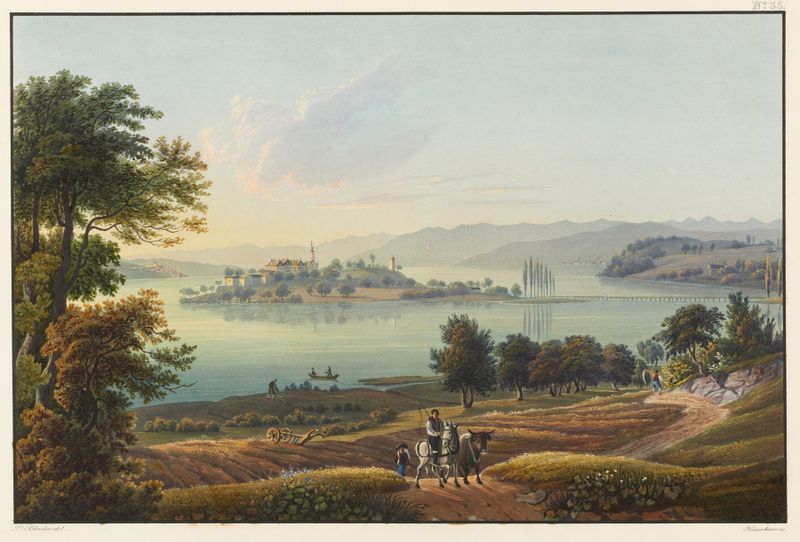
Vue de l’Jsle de Meynau dans le lac de Constance
Johann Ludwig Bleuler
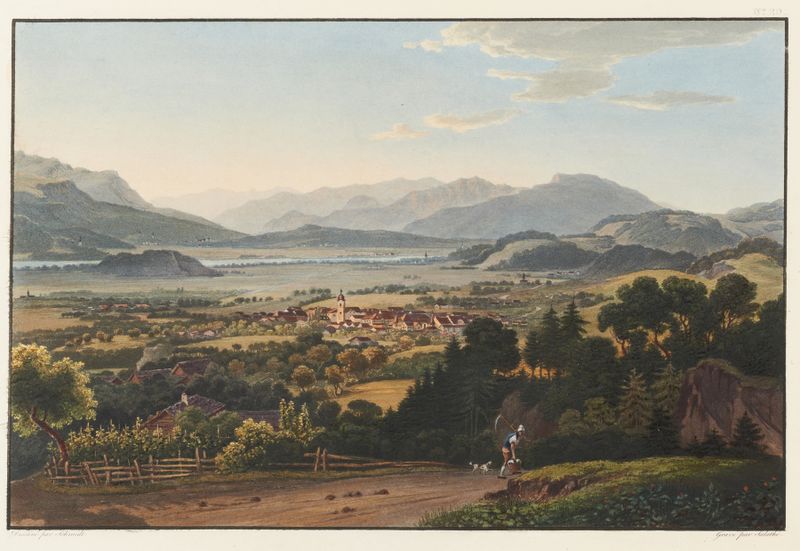
La petite ville d’Altstatten dans la valée du Rhin, Canton de St. Gall
Johann Ludwig Bleuler
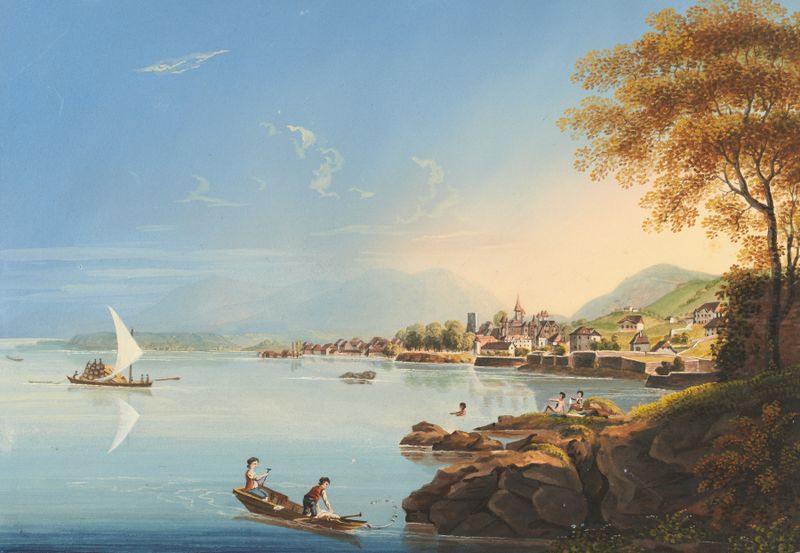
Vue de la ville de Neuchatel en Suisse
Johann Ludwig Bleuler
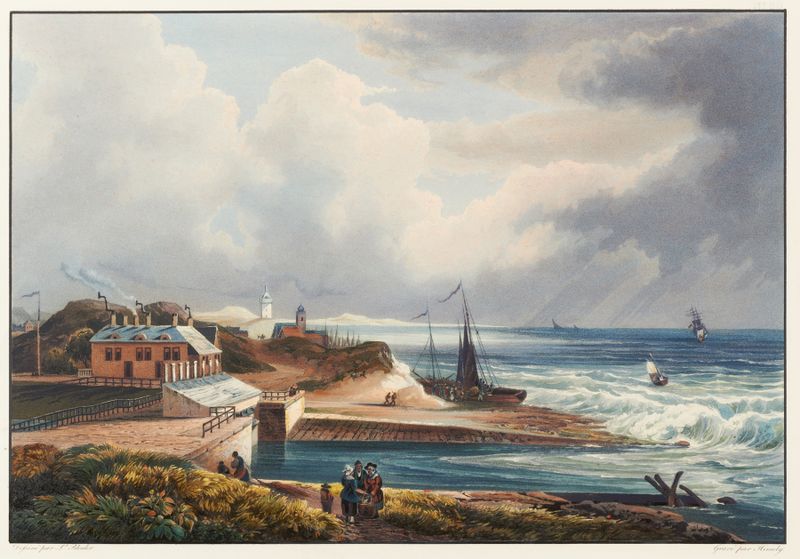
Vue de Katwyk et de l’embochure du Rhin, dans la Mer du Nord
Johann Ludwig Bleuler
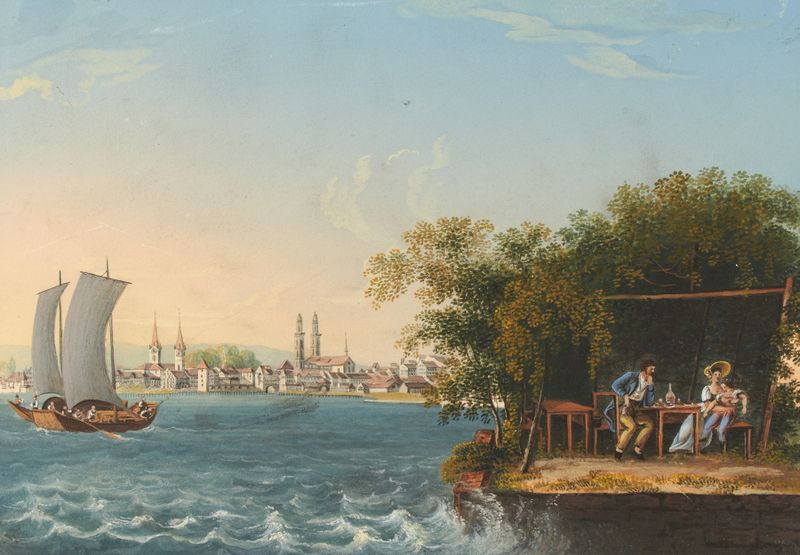
Vue de la ville de Zurich
Johann Ludwig Bleuler
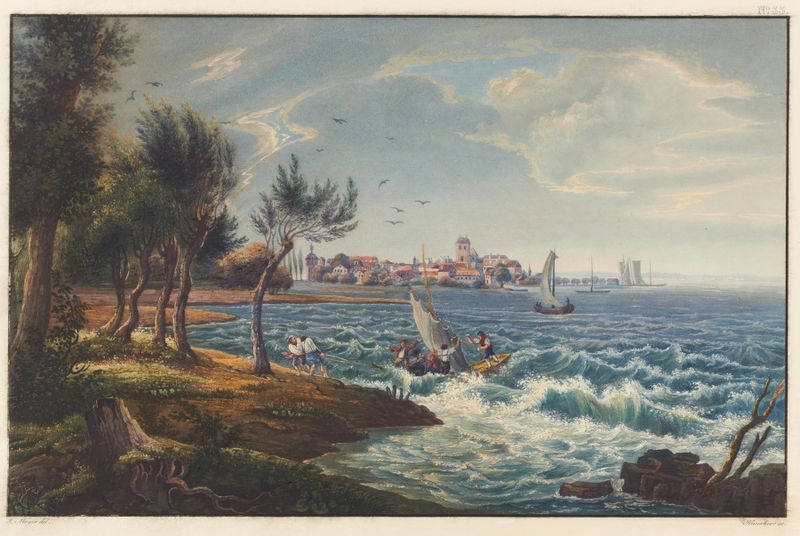
Vue de la ville d’Arbon et du lac de Constance
Johann Ludwig Bleuler
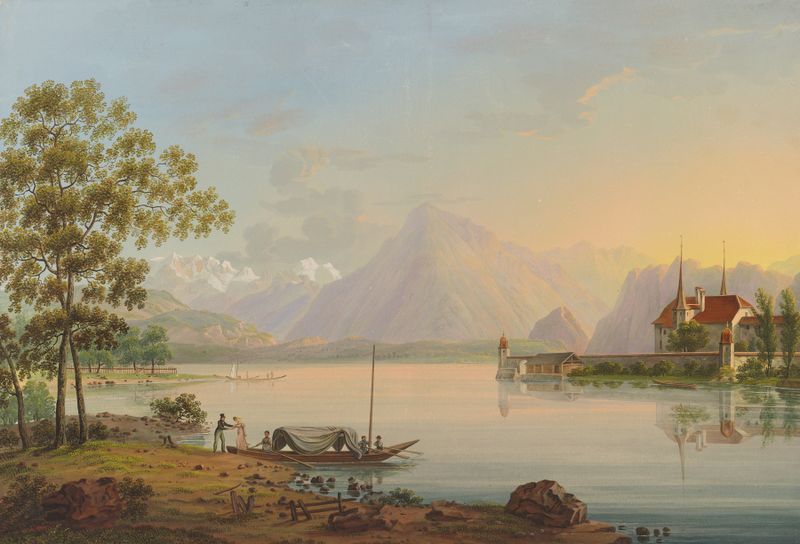
Thoun am Thounersee
Johann Ludwig Bleuler
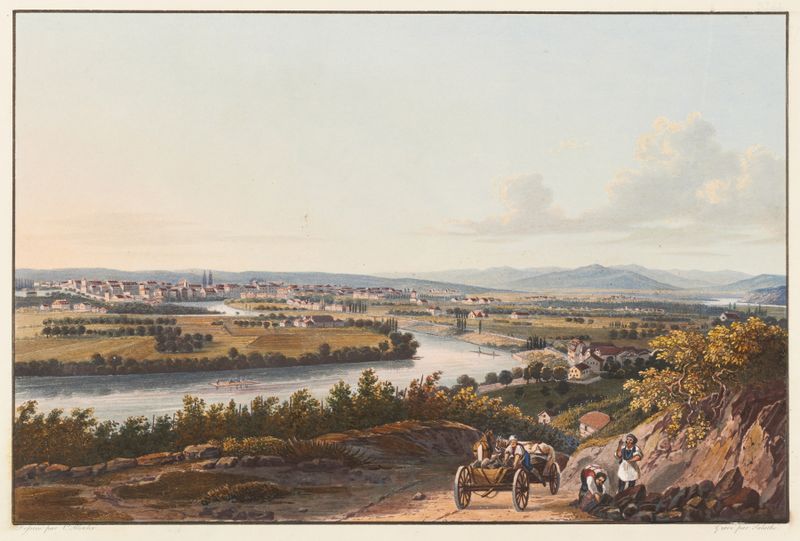
Vue de la ville de Bâle et de ses environs
Johann Ludwig Bleuler
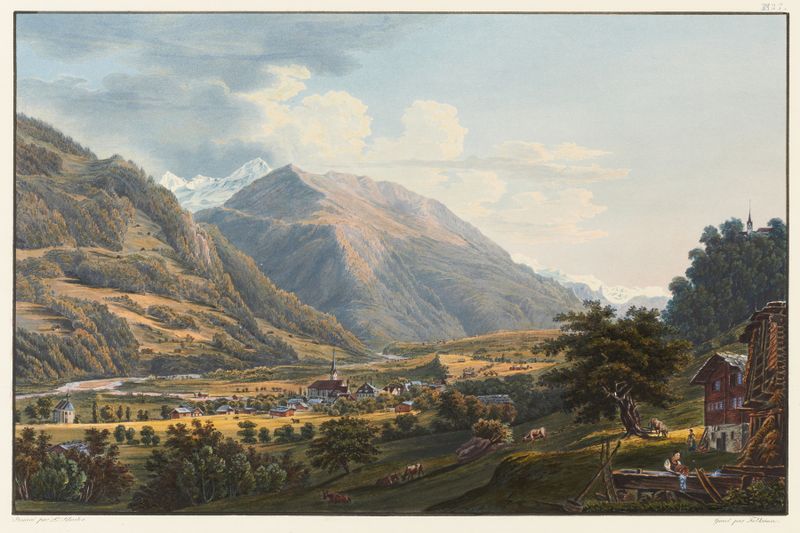
Vue du village de Trons, historique au sujet de la confederation du Canton des Grisons
Johann Ludwig Bleuler
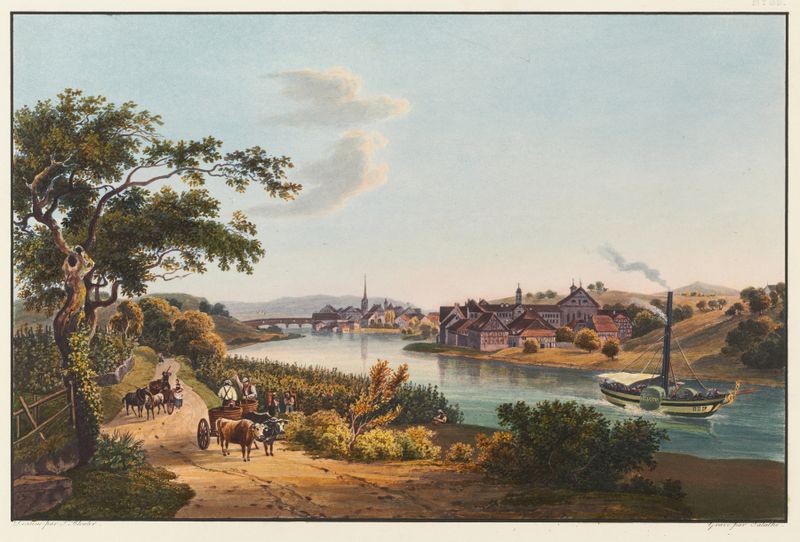
Vue de la ville de Diessenhofen et du Couvent de Catherinenthal
Johann Ludwig Bleuler





