
Vue d’Oberwesel, des ruines de Schoenberg, Gutenfels et Ochsenthourm — History & Facts
Can paint confess what words never could? In Vue d’Oberwesel, des ruines de Schoenberg, Gutenfels et Ochsenthourm, the landscape breathes with a haunting tension, as if whispering secrets of past betrayals nestled within its serene vistas. Look to the left at the crumbled stones of the Schoenberg ruins, their jagged edges softly illuminated by the gentle light. The rolling hills recede into the distance, painted in muted greens and blues that evoke both tranquility and foreboding. Notice how the shadows dance subtly along the river’s surface, creating a duality that reflects the tension between beauty and decay, harmony and the lingering scars of history.
Each brushstroke reveals not just a scene, but a narrative steeped in emotional complexity. Within the tranquil landscape lies a deeper story, hidden among the soft folds of nature. The ruins stand as silent witnesses to betrayals of the past, while the river flows steadily, a reminder of time’s relentless march. The contrast between the vibrant nature surrounding the decay signifies the cyclical nature of life and loss — a poignant reflection of human experience.
One can almost sense the breath of history in the air, encapsulated in the quietude that envelops the scene. Created during a time when Romanticism was flourishing, the artist worked in the 19th century, grappling with themes of nature, loss, and historical reflection. Bleuler’s landscapes often depict the juxtaposition of man and nature, resonating with contemporary thoughts on the sublime. This work, though undated, captures a moment in a world transitioning between innocence and the awareness of deeper, often painful truths that shape human history.
More Artworks by Johann Ludwig Bleuler
Browse all →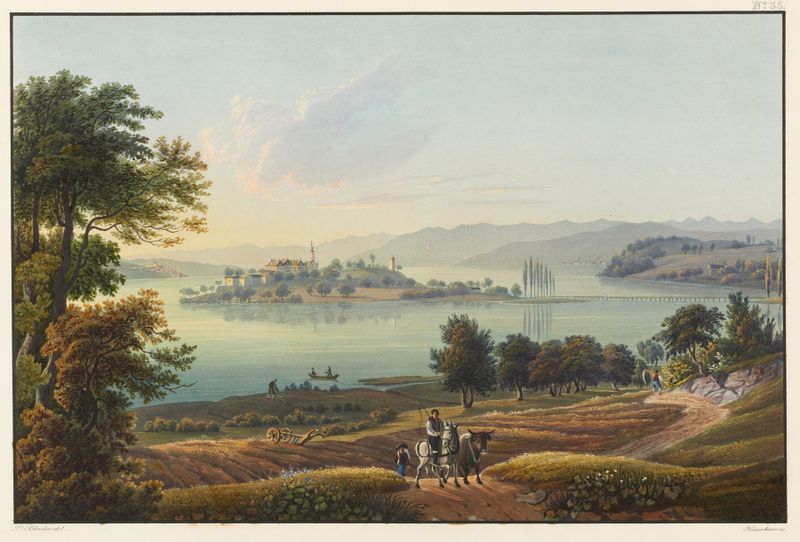
Vue de l’Jsle de Meynau dans le lac de Constance
Johann Ludwig Bleuler
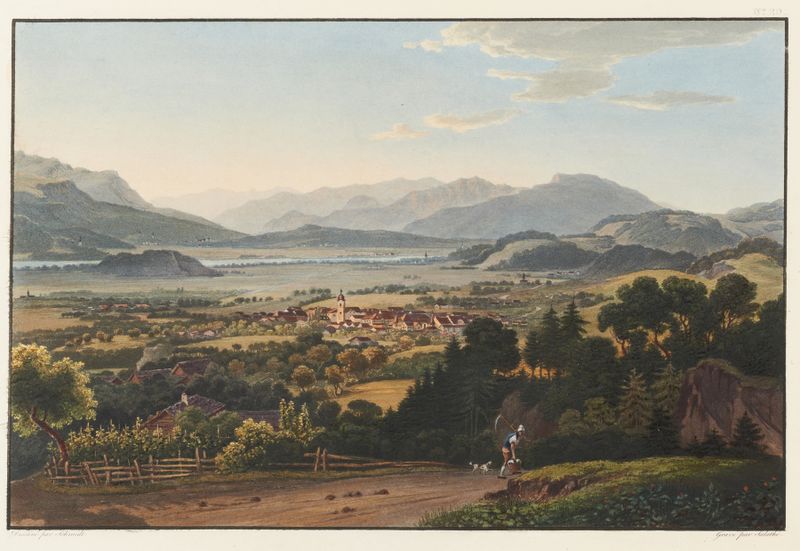
La petite ville d’Altstatten dans la valée du Rhin, Canton de St. Gall
Johann Ludwig Bleuler
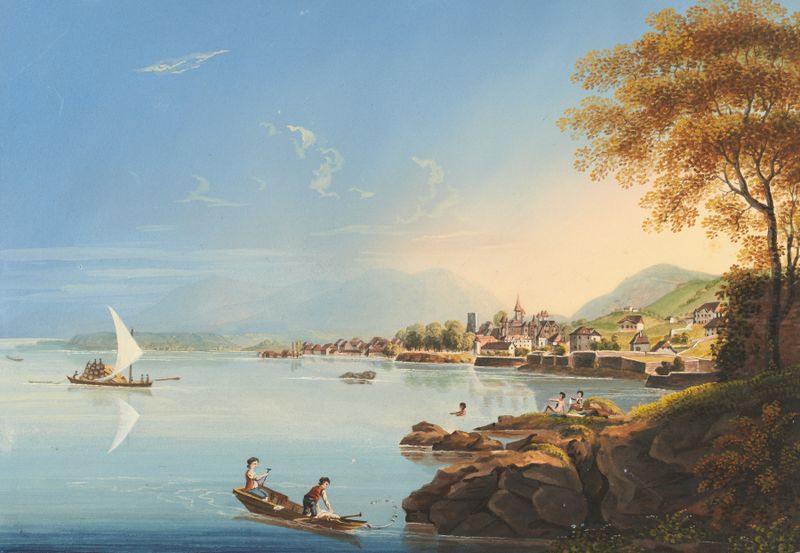
Vue de la ville de Neuchatel en Suisse
Johann Ludwig Bleuler
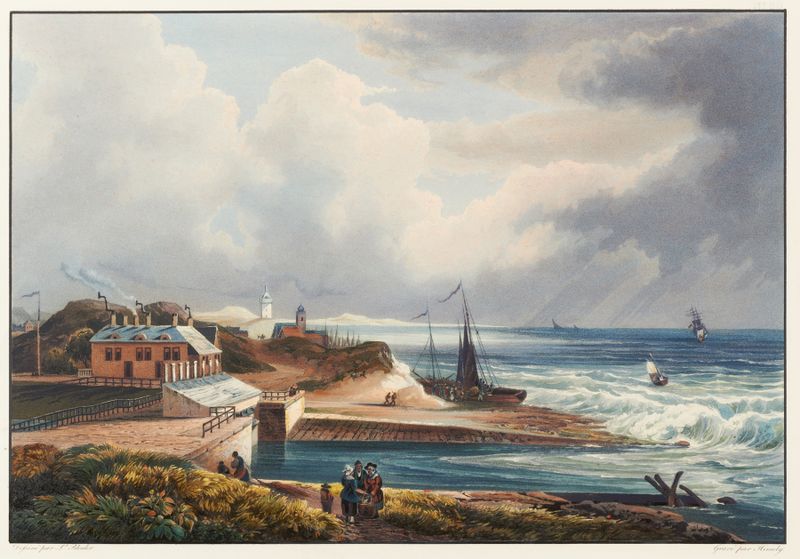
Vue de Katwyk et de l’embochure du Rhin, dans la Mer du Nord
Johann Ludwig Bleuler
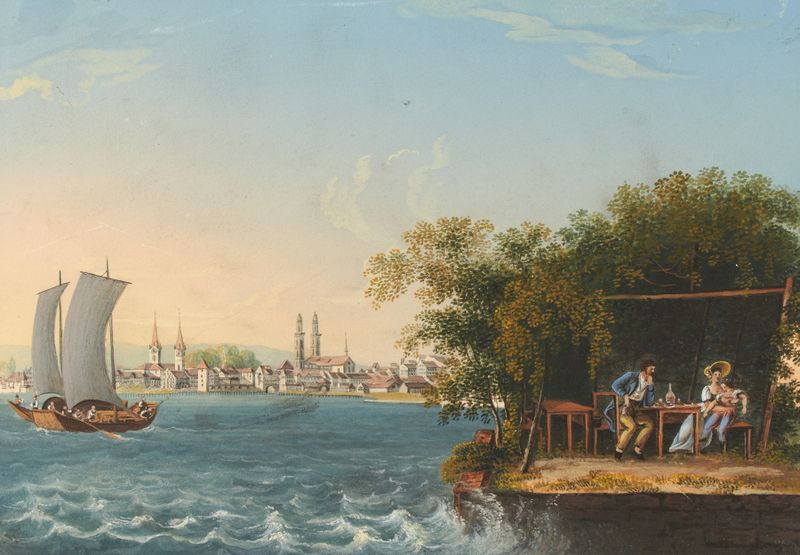
Vue de la ville de Zurich
Johann Ludwig Bleuler
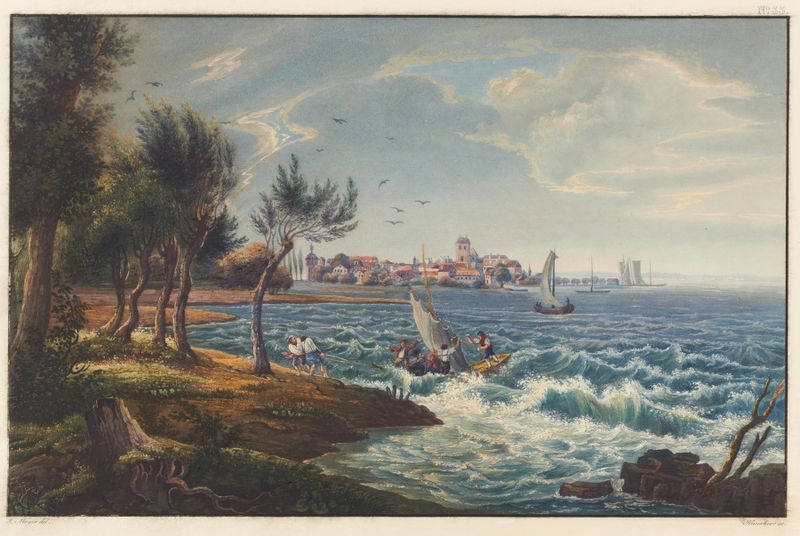
Vue de la ville d’Arbon et du lac de Constance
Johann Ludwig Bleuler
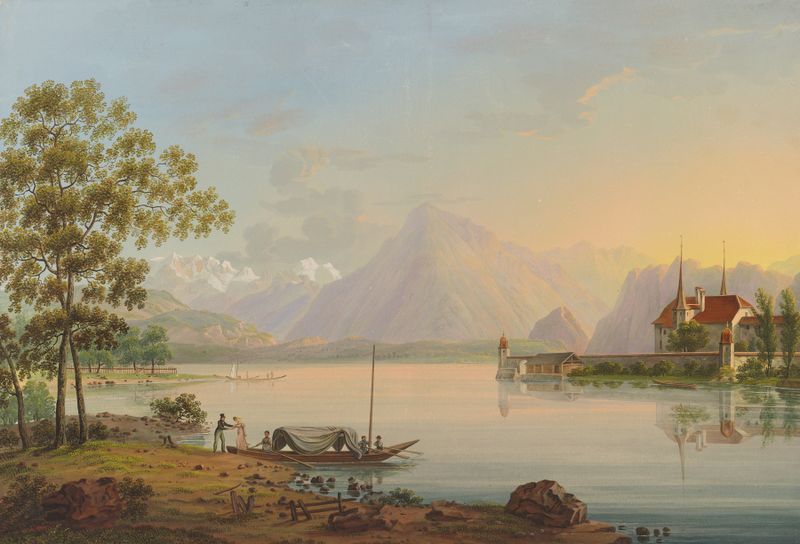
Thoun am Thounersee
Johann Ludwig Bleuler
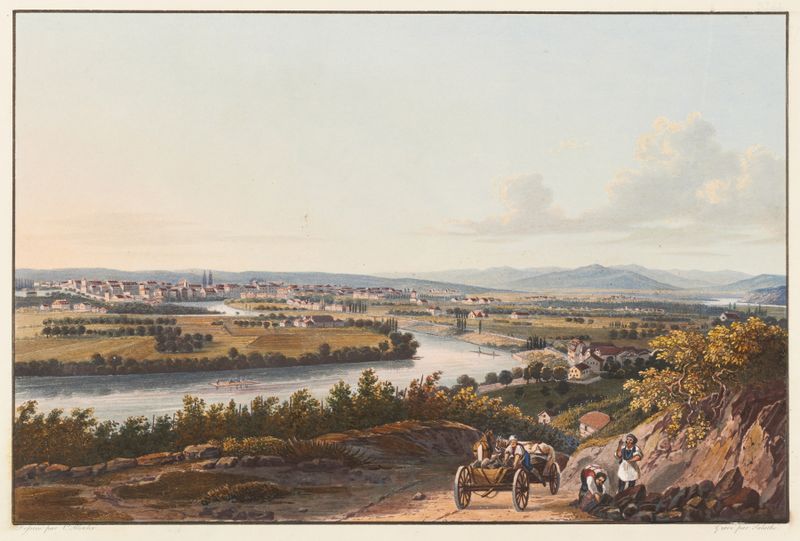
Vue de la ville de Bâle et de ses environs
Johann Ludwig Bleuler
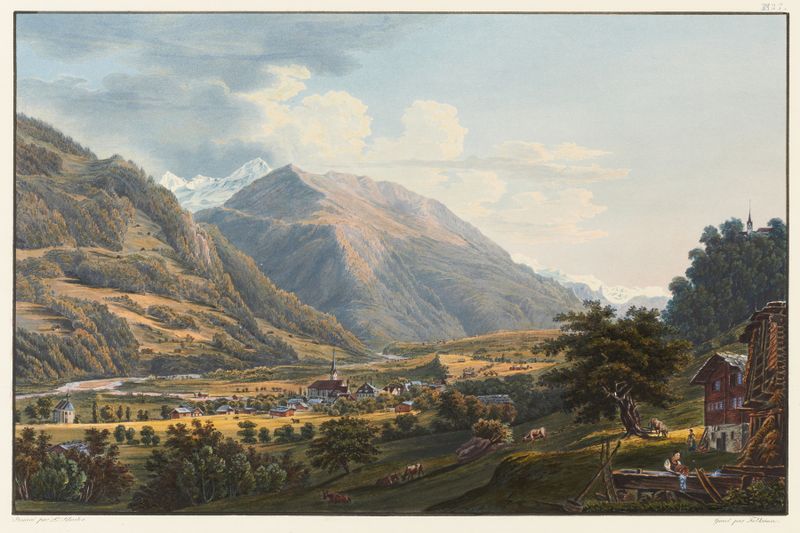
Vue du village de Trons, historique au sujet de la confederation du Canton des Grisons
Johann Ludwig Bleuler
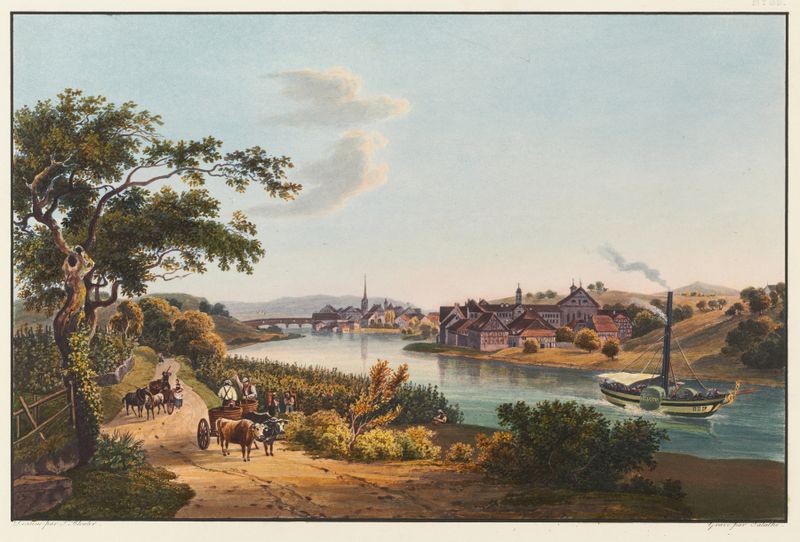
Vue de la ville de Diessenhofen et du Couvent de Catherinenthal
Johann Ludwig Bleuler





