
Vue du Lac et de la Ville de Neuchatel — History & Facts
In a world where the transient nature of beauty is often overlooked, the fragility of existence finds a quiet yet profound voice in art. Look closely at the gentle embrace of the landscape, where azure waters kiss the verdant edges of the land. The eye is drawn first to the shimmering lake that stretches across the horizon, its surface dappled with soft reflections that pulse with life. Notice how the delicate brushstrokes render the surrounding mountains, their solid forms softened by atmospheric haze, as if they, too, are an echo of something fleeting.
The palette of greens, blues, and muted browns balances serenity with a hint of melancholy, suggesting a delicate harmony between nature and the human experience. The scene conveys an underlying tension between permanence and transience. The idyllic beauty of the lake and town stands in stark contrast to the subtle signs of decay visible in the brushwork, a reminder of nature’s relentless cycle. Look for the small details that hint at human presence—faint outlines of structures dotting the landscape—signaling both the hope of human endeavor and the fragility of its existence within the greater scheme of nature.
Each element in this composition invites reflection on the impermanence that defines our lives. Created during a time when the Romantic movement was burgeoning in art, the painting reflects Niklaus Sprüngli's deep connection to the Swiss landscape and his desire to capture its essence. Although the exact date remains uncertain, his works emerged amidst a growing appreciation for nature's beauty and the emotional responses it evokes, positioning him within a transformative era in the art world. The serene portrayal of Neuchâtel captures not just a view, but also a moment in history, encapsulating the fragility that underpins all existence.
More Artworks by Niklaus Sprüngli
Browse all →
Vue de la Ville et des Environs de Soleure du Coté du Couchant
Niklaus Sprüngli
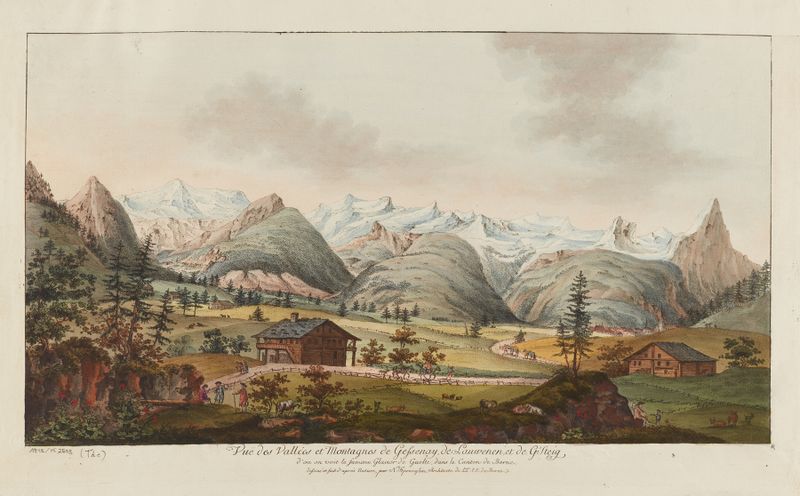
Vuë des Vallées et Montagnes de Gessenay, de Lauwenen, et de G’Steig d’ou on voit le fameux Glacier de Guelte, dans le Canton de Berne
Niklaus Sprüngli
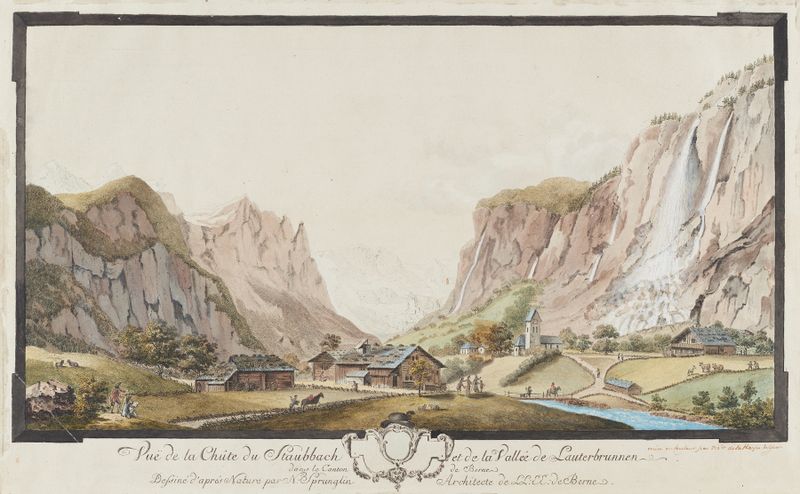
Vuë de la Chûte du Staubbach et de la Vallée de Lauterbrunnen dans le Canton de Berne.
Niklaus Sprüngli
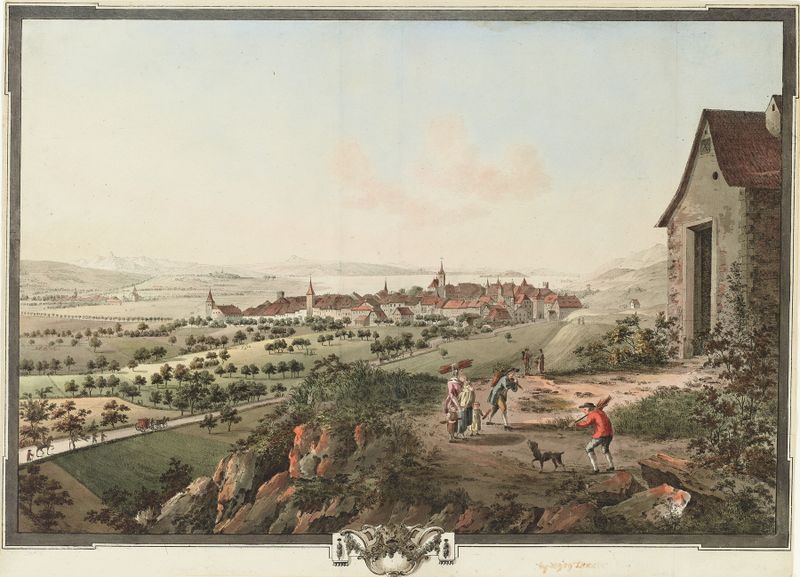
Vue de la Ville de Bienne, de Nidau et de l’Isle de St. Pierre avec les Environs du Lac de Bienne
Niklaus Sprüngli
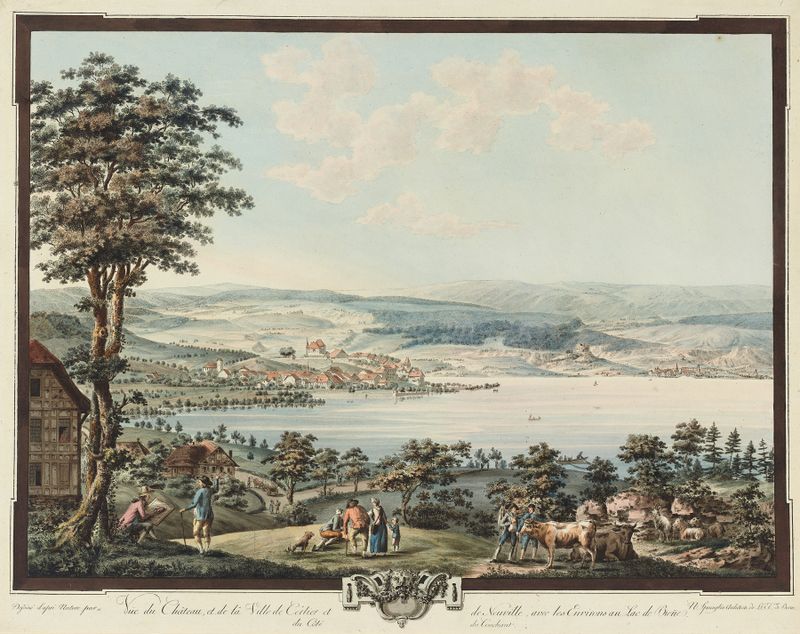
Vüe du Château, et de la Ville de Cerlier et de Neuville, avec les Environs au Lac de Bienne
Niklaus Sprüngli

Ansicht des Rothus bei Ostermundigen
Niklaus Sprüngli

Vuë de la Chûte du Staubbach et de la Vallée de Lauterbrunnen dans le Canton de Berne
Niklaus Sprüngli
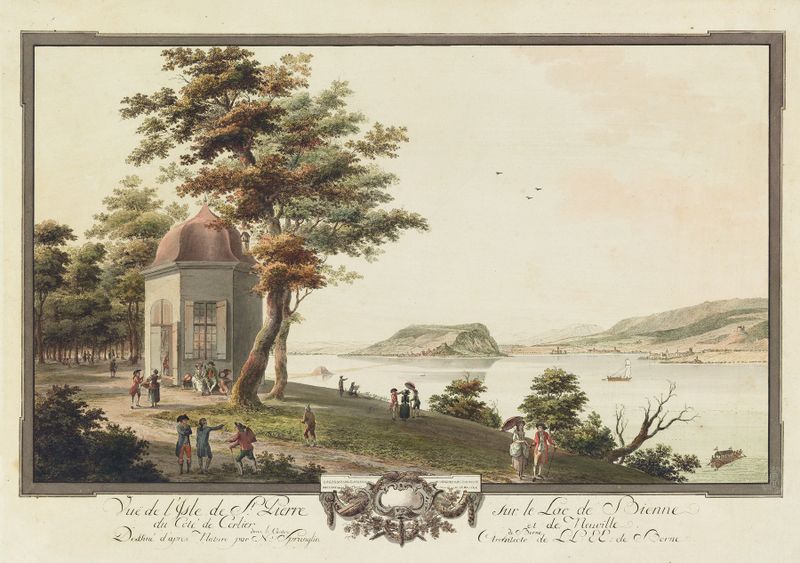
Vuë de l’Isle de St. Pierre sur le Lac de Bienne du Coté de Cerlier et de Neuville
Niklaus Sprüngli
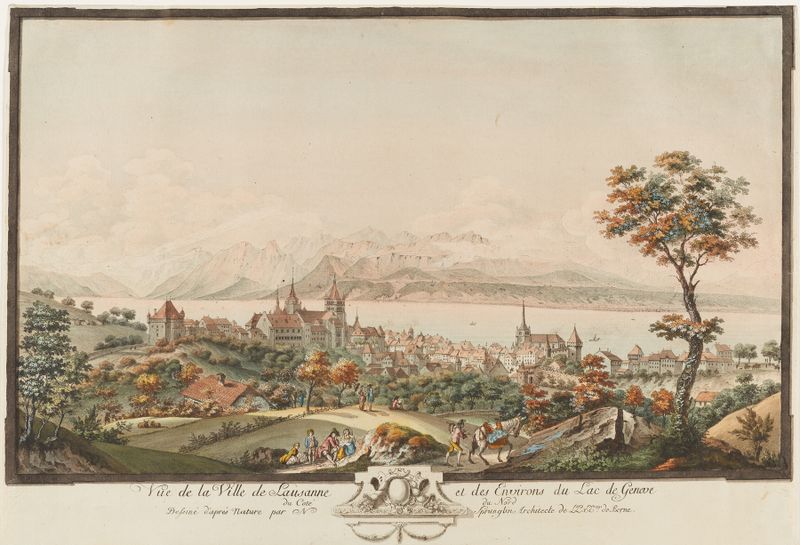
Vue de la Ville de Lausanne et des Environs du Lac de Genève du Coté du Nord
Niklaus Sprüngli
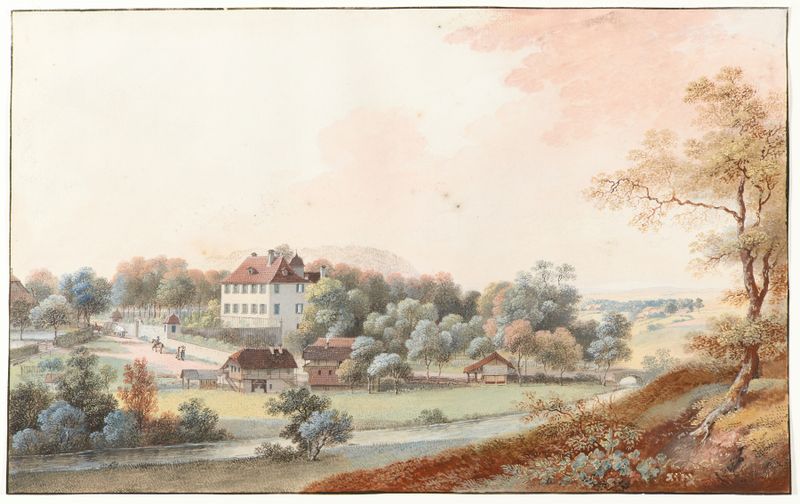
Ansicht der Wegmühle bei Bolligen
Niklaus Sprüngli





