Vue du Schellenwerk de Berne — History & Facts
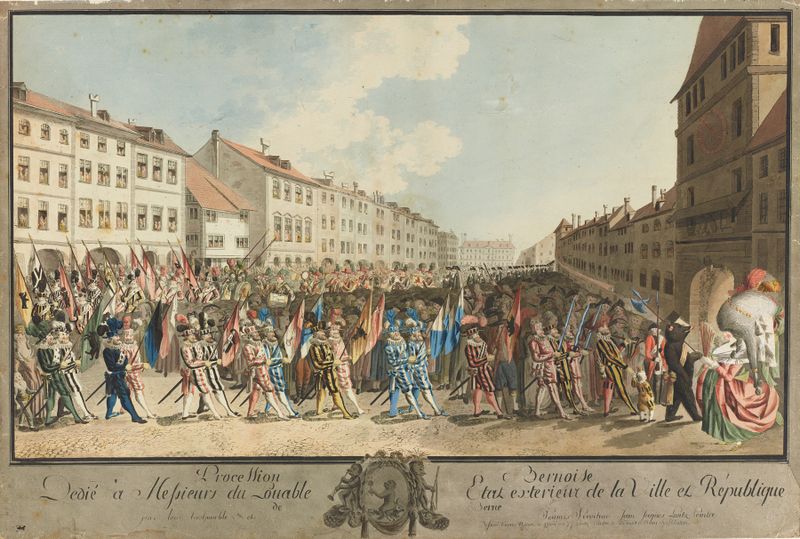
In the realm of visual art, color speaks volumes, whispering secrets that words often cannot. Each hue carries an emotion, a memory, and a story waiting to be unveiled. Focus first on the vibrant palette that wraps the scene like a warm embrace. Notice how the earth tones mingle harmoniously with accents of deep blue, capturing the essence of a landscape alive in its quiet beauty.
The brushstrokes employed create a textured interplay, inviting your eye to wander across the canvas and explore the depth of color, each layer representing a moment suspended in time. The light dances upon the surfaces, guiding you toward the delicate transitions between the foreground and background, where the gentle undulations of the land merge into the expansive sky. Within this peaceful vista lies a poignant contrast: the serenity of nature against the underlying tension of human existence that it observes. The flowing lines suggest movement yet evoke stillness, as if the landscape holds its breath, cradling the stories of those who have walked upon it.
There’s a quiet longing embedded within the colors — a sense of nostalgia for moments long past. This emotional dichotomy serves as a reminder of the transient nature of life, inviting viewers to reflect on their own journeys. Johann Jakob Lutz painted this work during a period when Switzerland was undergoing shifts in artistic expression. Crafting Vue du Schellenwerk de Berne, he found himself navigating the crossroads of tradition and modernity, reflecting a growing interest in landscape as a subject.
This painting serves not only as a testament to his skill but as a window into a world where nature and humanity coexist in delicate balance.