
Vue du village Hinterrhein, et des premiérs pont sur le Rhein interieur; prise vers le glacier de Rheinwald — History & Facts
What if silence could speak through light? In Johann Ludwig Bleuler's Vue du village Hinterrhein, et des premiers pont sur le Rhein intérieur; prise vers le glacier de Rheinwald, the quietude of the Swiss landscape conveys an unsettling madness, an echo of nature's serenity that masks a deeper chaos. Look to the foreground where the village rests harmoniously against the backdrop of imposing mountains. The soft, pastel hues of dawn illuminate the quaint houses, their rooftops dusted with delicate snow. Notice how the light dances on the surface of the river, creating an almost hypnotic ripple that seems to pull the viewer into the scene.
The gentle curves of the bridges draw the eye, leading one toward the majesty of the glacier looming in the distance, an eternal witness to the fleeting moments of life below. Beneath the idyllic surface lies a juxtaposition of tranquility and impending turmoil. The pristine environment belies the wildness of the natural forces at play — the glacier, a symbol of both beauty and destruction, stands in stark contrast to the vulnerability of the village. Each detail, from the dark shadows of the mountains to the serene reflections in the water, adds layers to the narrative, suggesting a fragile balance between peace and the madness lurking just outside the frame. Bleuler painted this landscape during a time when Romanticism was at its peak in the early 19th century, capturing the awe and terror of nature.
Living in Switzerland, he drew inspiration from his surroundings while grappling with the emotional intensity of the era, which sought to explore the sublime and the chaotic forces of existence. In this moment, Bleuler translates the beauty of the natural world into a contemplative experience, inviting viewers to confront the wildness within.
More Artworks by Johann Ludwig Bleuler
Browse all →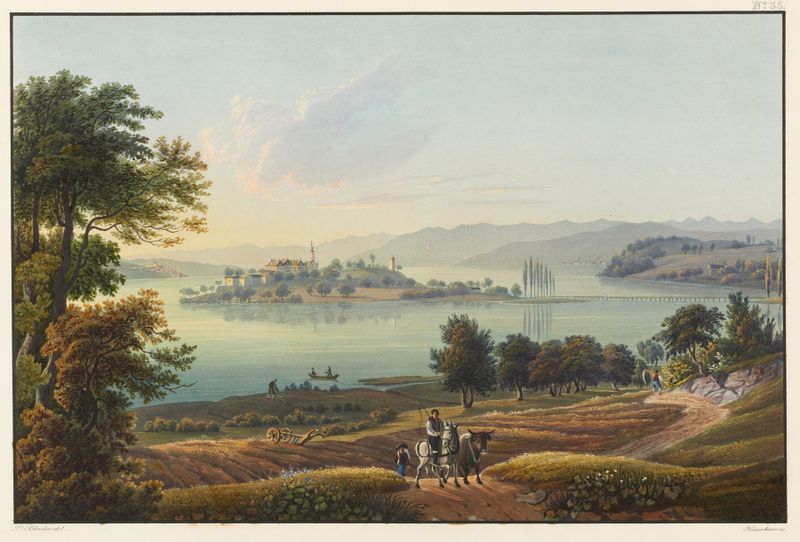
Vue de l’Jsle de Meynau dans le lac de Constance
Johann Ludwig Bleuler
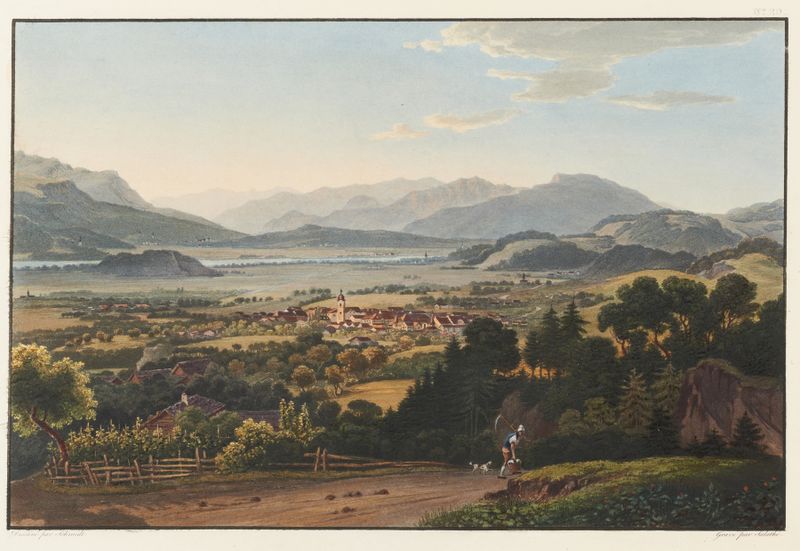
La petite ville d’Altstatten dans la valée du Rhin, Canton de St. Gall
Johann Ludwig Bleuler
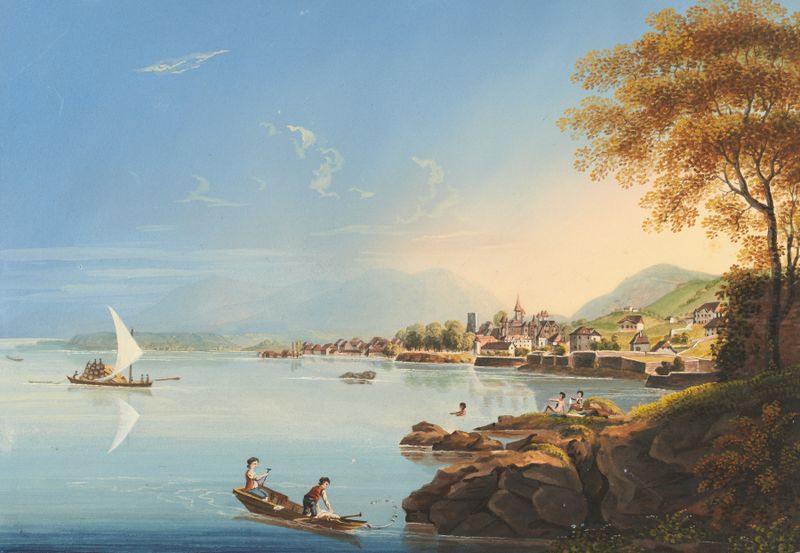
Vue de la ville de Neuchatel en Suisse
Johann Ludwig Bleuler
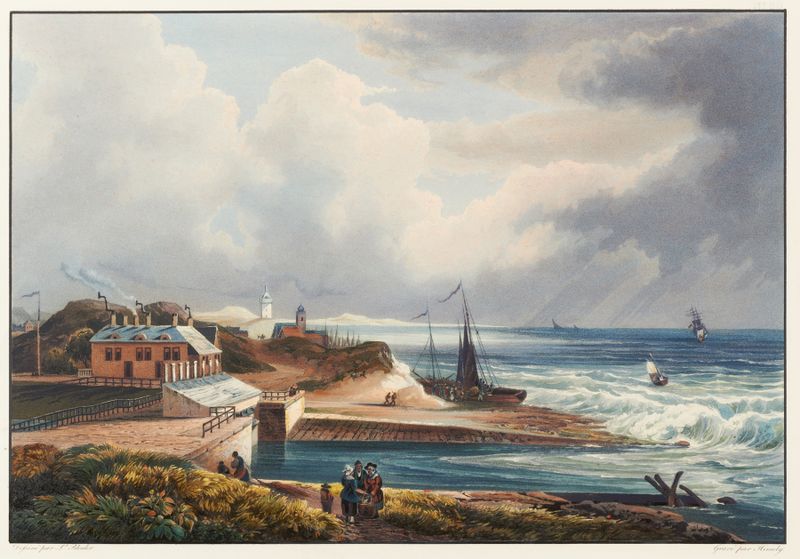
Vue de Katwyk et de l’embochure du Rhin, dans la Mer du Nord
Johann Ludwig Bleuler
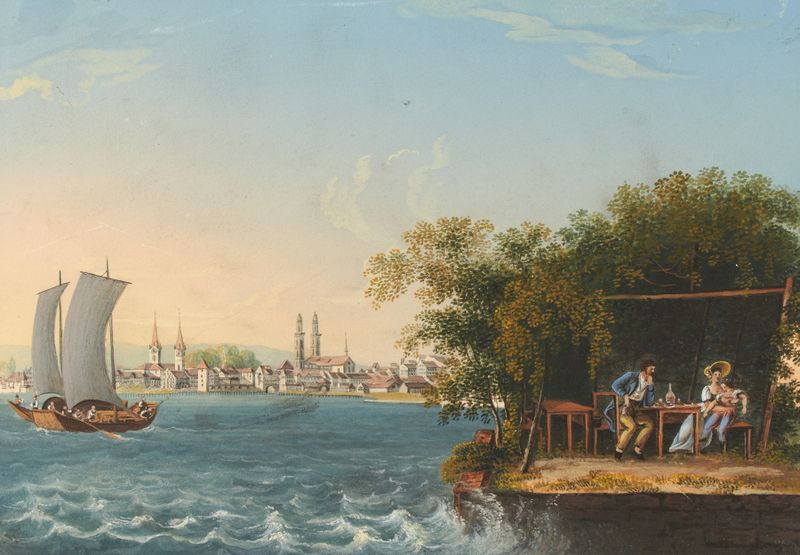
Vue de la ville de Zurich
Johann Ludwig Bleuler
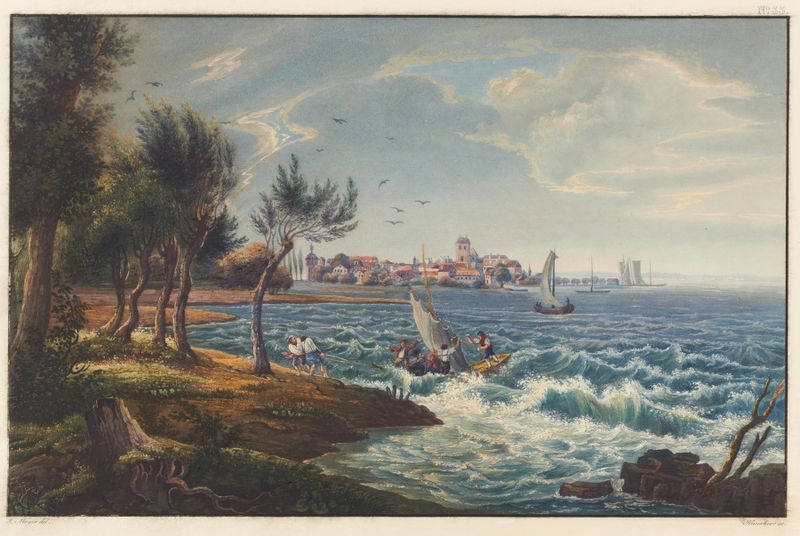
Vue de la ville d’Arbon et du lac de Constance
Johann Ludwig Bleuler
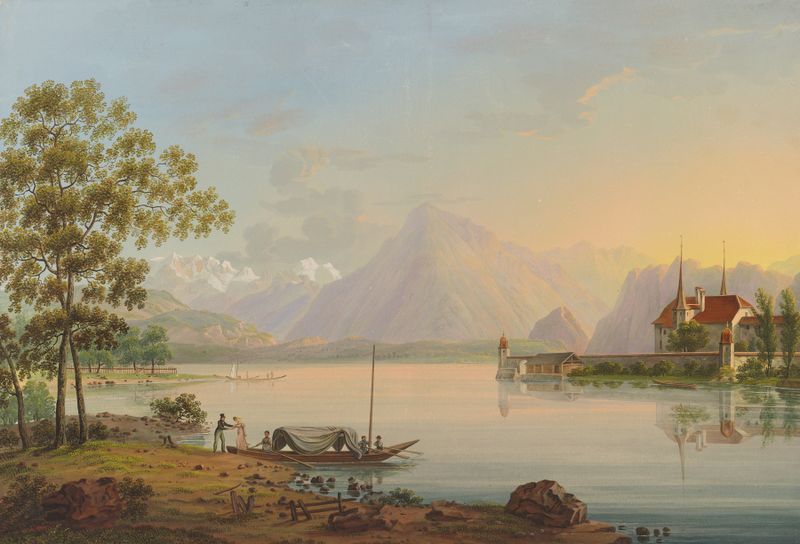
Thoun am Thounersee
Johann Ludwig Bleuler
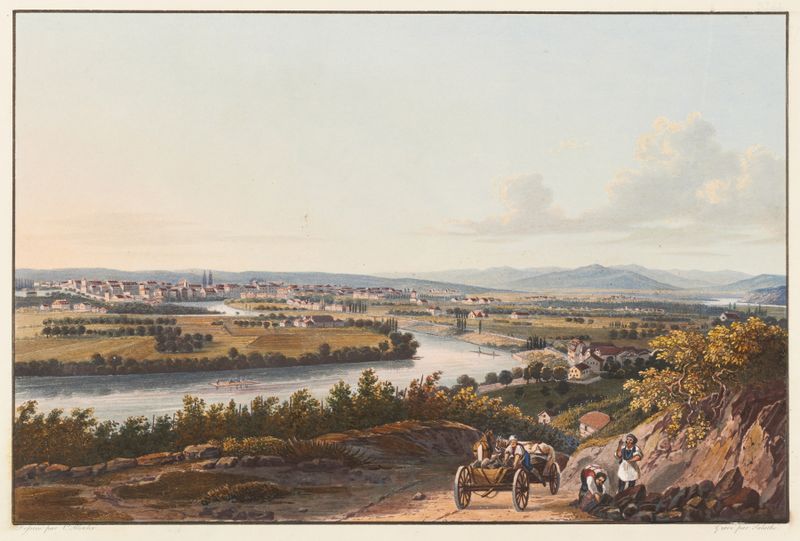
Vue de la ville de Bâle et de ses environs
Johann Ludwig Bleuler
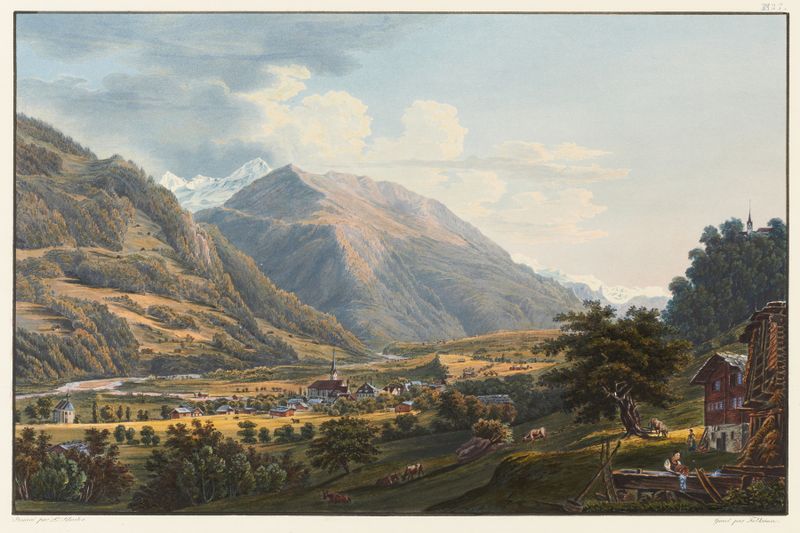
Vue du village de Trons, historique au sujet de la confederation du Canton des Grisons
Johann Ludwig Bleuler
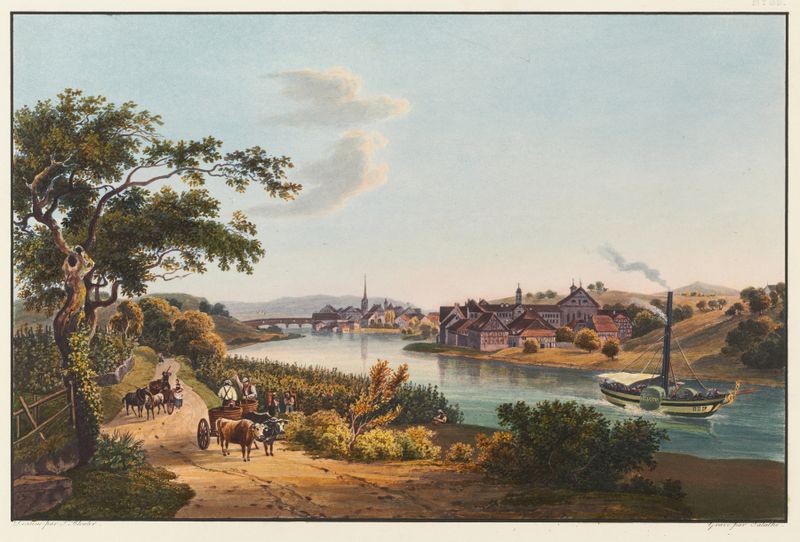
Vue de la ville de Diessenhofen et du Couvent de Catherinenthal
Johann Ludwig Bleuler





