Wagons — History & Facts
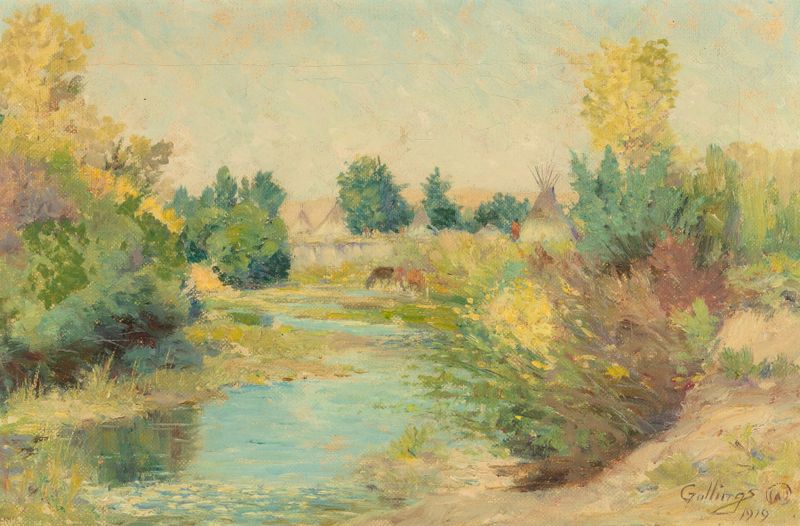
Can beauty exist without sorrow? In the gentle embrace of nature, a silent dialogue unfolds between the earth and the wagons that rest upon it. Look to the foreground where the weathered wagons sit, their vibrant colors dulled by time yet still holding echoes of past journeys. Notice how the light delicately bathes the wooden surfaces, revealing the intricate textures and details of paint peeling away, like memories fading but never forgotten. The background, lush with verdant greens and soft earth tones, creates a harmonious contrast that invites the eye to meander through the scene, emphasizing the stillness that lingers. Beneath the surface, the contrast between the wagons’ sturdy forms and the gentleness of the landscape suggests a deeper narrative of resilience amidst decay.
The wear and tear on the vehicles speaks to the passage of time, hinting at stories of hardship and triumph, while the surrounding beauty whispers of hope and continuity. Each element resonates with the notion that despite the inevitable decline, there is a profound beauty in persistence and the cycles of life. In 1921, Gollings was entrenched in the American West, reflecting the post-World War I era's shifting perspectives. This period was marked by a search for identity and meaning in the aftermath of conflict, and the artist's focus on this seemingly mundane subject showcases his intention to explore themes of endurance and the connection between humans and their environment.
His works from this time often reveal a profound appreciation for the rugged beauty of the West, solidifying his role in the regionalist art movement.