Watercolor scene design — History & Facts
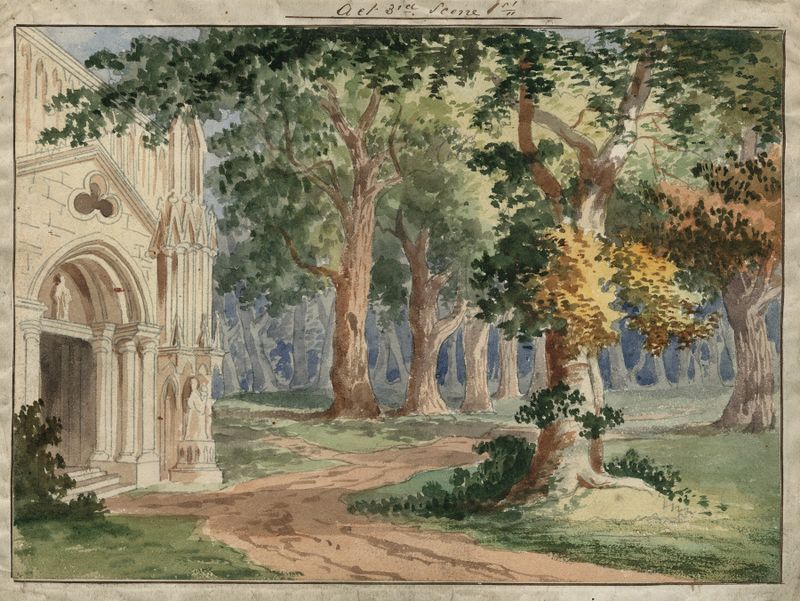
Can beauty exist without sorrow? This question lingers in the air as one gazes upon the delicate interplay of colors that evokes a sense of ecstasy intertwined with melancholy. Look closely at the vibrant washes of azure and emerald that sweep across the page. The fluidity of the brushstrokes animates the scene, inviting the eye to dance along the curves of the landscape. Notice how the light captures the playfulness of the water, glistening as it mirrors the sky.
Each droplet seems to whisper secrets, revealing the artist's deft hand and intimate understanding of watercolor's ethereal qualities. Yet beneath this surface charm lies an intricate web of emotional tension. The gentle gradients suggest a fleeting moment—an ephemeral beauty that can be both uplifting and heartbreaking. The juxtaposition of bright hues against shadowy undertones invokes a sense of longing, as if the viewer stands on the precipice of joy and sorrow.
What stories lie hidden in the depths of this shimmering tableau, waiting to be discovered? Delavigne crafted this work during a time when the art world was exploring the boundaries of expression and technique. Though the exact date remains unknown, he was likely influenced by the romantic currents of his era, where nature was both muse and subject. In this context, each stroke not only captures a scene but also reflects the artist's own journey through the complexities of emotion and aesthetic experience.