Waterfall and Distant Hills — History & Facts
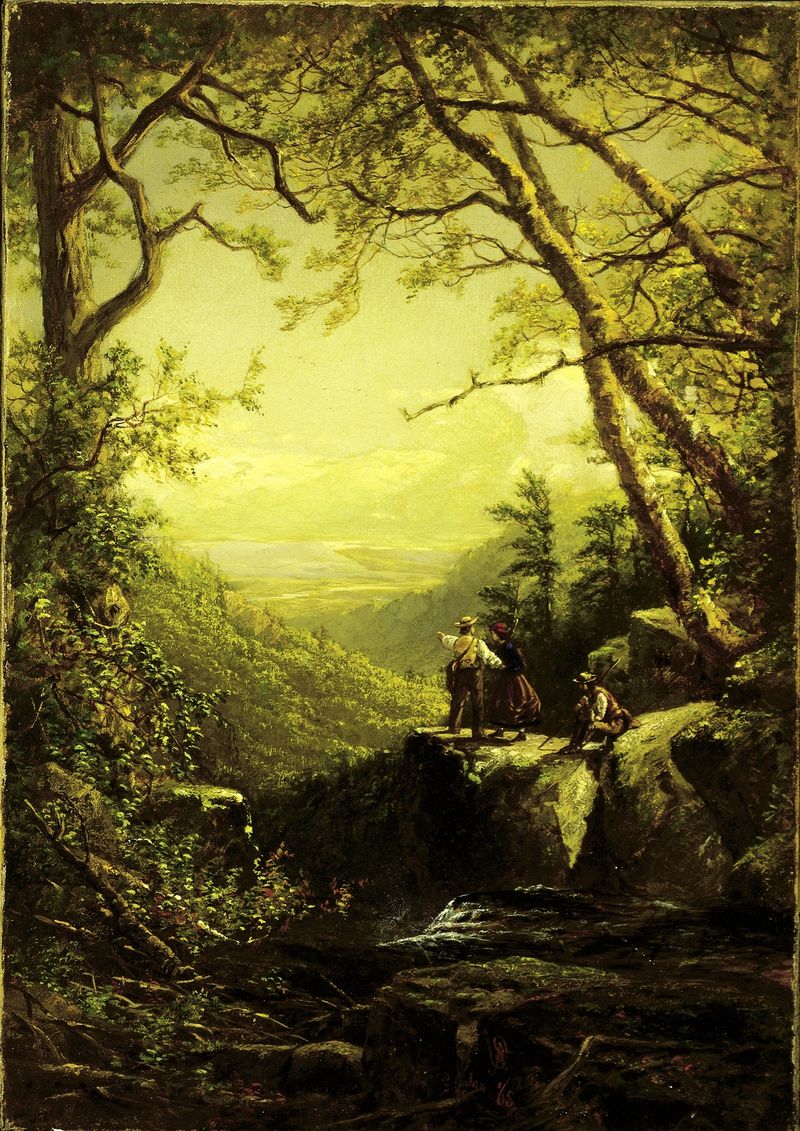
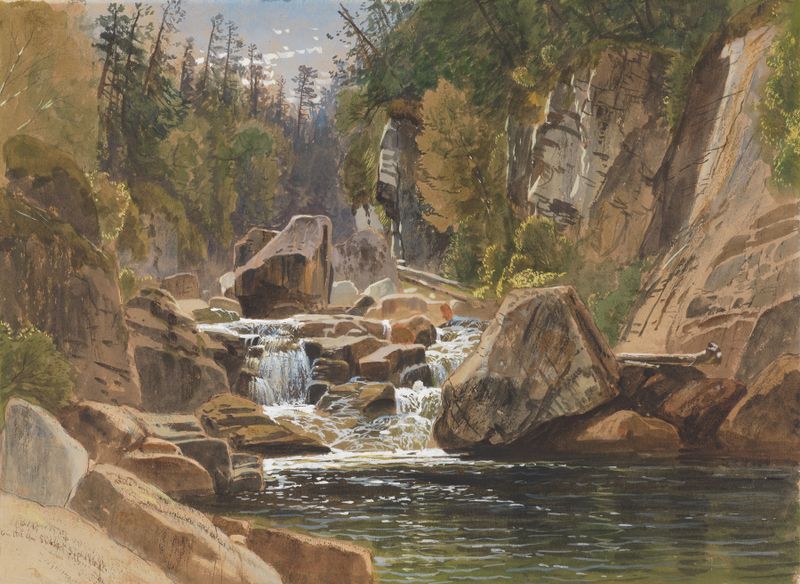
In the rhythm of nature, movement echoes through the landscape, each detail capturing the pulse of the elements. As you engage with the canvas, focus first on the cascading waterfall, where frothy whites and deep cerulean conspire to create an illusion of turbulence. Notice how the water flows seamlessly into the verdant foreground, drawing your eye through the lush greens that cradle the base of the falls. The distant hills, painted in muted tones of ochre and violet, stand in stark contrast, their stillness a counterpoint to the dynamic energy of the water, creating a harmonious dance between chaos and calm. Delve deeper into the subtleties of texture as you absorb the varying brushwork, from the soft, smooth strokes of the hills to the vigorous, jagged lines of the rushing water.
Each element conveys a different emotion: the waterfall signifies relentless motion and vitality, while the distant hills embody serenity and stability. This dichotomy invites contemplation on the balance of life and nature, whispering the story of an ever-moving world anchored by timeless landscapes. The artist created this piece during a time when the Hudson River School was flourishing, capturing the sublime beauty of American wilderness. While the exact date remains uncertain, it is believed to have emerged in the late 19th century, a period in which Smillie explored his deep appreciation for natural landscapes amidst an era of increasing industrialization.
His dedication to depicting the sublime reflects not only his personal journey but also the broader art movement's quest to connect with nature.