Watermill and Waterfalls — History & Facts
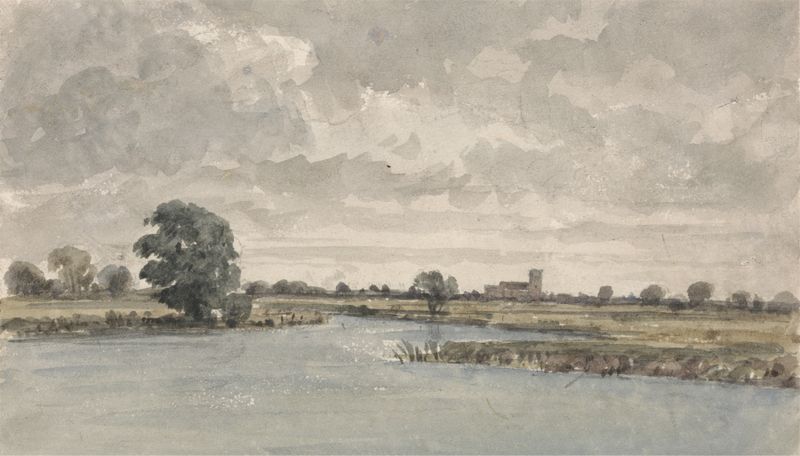
In the stillness of nature, silence holds the power to reveal unspoken truths beneath picturesque facades. Look to the left, where the tranquil water cascades over rocks, each droplet catching the soft hues of the sky. Notice how the sunlight dances on the surface, creating a shimmering gold that contrasts with the deep greens of the lush foliage surrounding the watermill. The structure itself, nestled among the trees, stands as a testament to human craftsmanship, yet it seems dwarfed by the raw magnificence of nature.
The artist’s use of light and shadow guides your gaze, drawing you deeper into a scene that feels both serene and weighty. Beneath the calm surface lies an undercurrent of tension. The juxtaposition of the watermill, a symbol of human endeavor, against the relentless flow of the waterfall speaks to the fragility of man’s creations in the face of nature's power. The silenced secrets of the forest echo through the scene, suggesting that beauty often masks deeper, unacknowledged sorrows.
The rich palette of greens and blues conveys a sense of peace, yet the warm golden highlights remind us of the bittersweet nature of existence. In 1862, while working in the picturesque countryside of England, the artist captured this moment during a time when the art world was evolving and increasingly embracing realism. Penley's work reflected both admiration for nature and an understanding of its complexities, positioning him as a key figure in the landscape painting movement. As he painted Watermill and Waterfalls, the world was bustling with industrial change, juxtaposing the serenity of such scenes with the realities of an evolving society.