
Weeshuis aan de Westerstraat te Enkhuizen — History & Facts
What secret hides in the quiet of the canvas? A sense of unease lingers in every brushstroke, a whisper of fear that permeates the stillness. Look to the left at the weathered facade of the building, its muted colors mirroring the shadow of uncertainty. The soft, diffused light casts an eerie glow, creating an unsettling contrast with the deeper shadows that pool around the door. Notice how the jagged, uneven lines evoke a sense of neglect, suggesting a history steeped in solitude and perhaps sorrow.
The composition, framed by the surrounding streets, draws the viewer’s gaze inward, as if inviting them to explore the mysteries cloaked within the walls. Hidden meanings pulse beneath the surface—a reflection of post-war sentiment, where the remnants of life seem both fragile and foreboding. The absence of figures speaks volumes; the silence amplifies the fear of the unknown, leaving the viewer to grapple with what might have transpired within. The peeling paint and cracked windows hint at abandonment, yet they also evoke a haunting beauty, representing the intersection of decay and survival in a world overshadowed by conflict. During the late 1940s to 1970s, Maarten Oortwijn painted this work while navigating the complex landscape of post-war Netherlands.
As a member of a generation grappling with the emotional fallout of war, he drew inspiration from his surroundings, capturing the tension between resilience and despair. This period was marked by a resurgence of interest in local history and urban landscapes, as artists sought to document the scars of a society in recovery, positioning Oortwijn’s work within a broader narrative of remembrance and reflection.
More Artworks by Maarten Oortwijn
Browse all →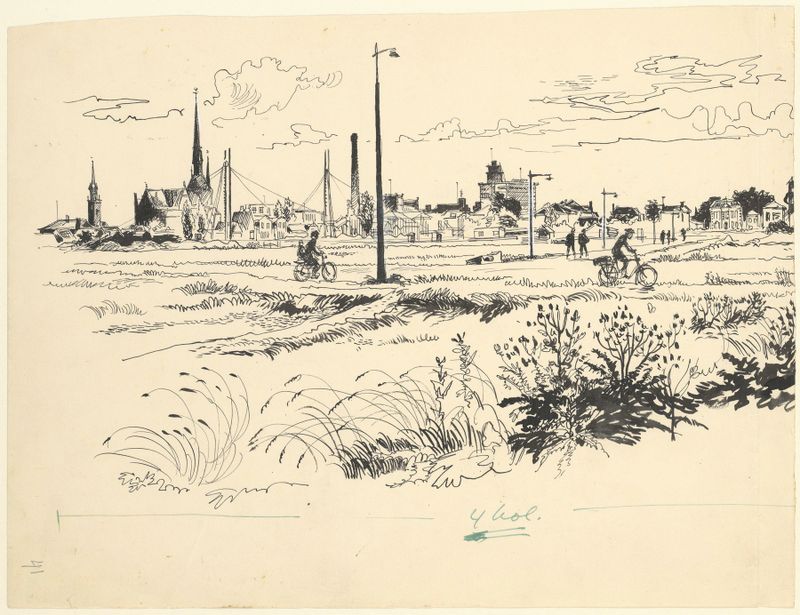
Gezicht op Koog aan de Zaan.
Maarten Oortwijn
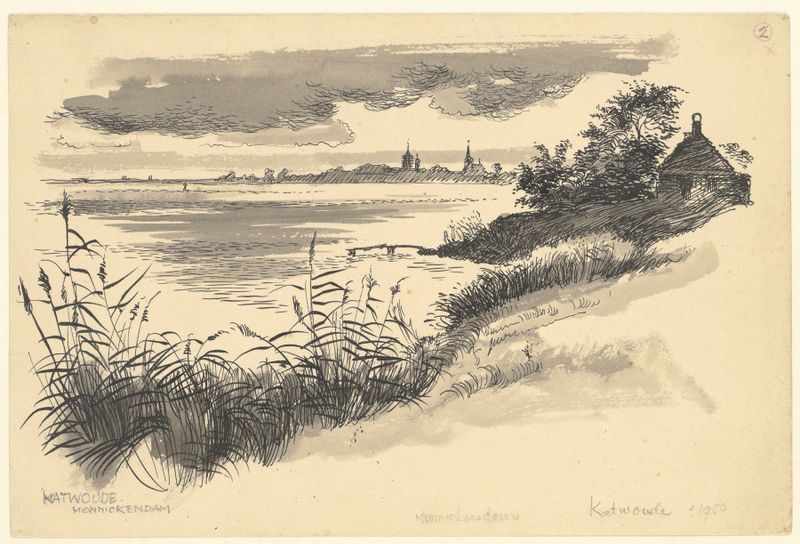
Gezicht vanuit Katwoude op Monnickendam
Maarten Oortwijn
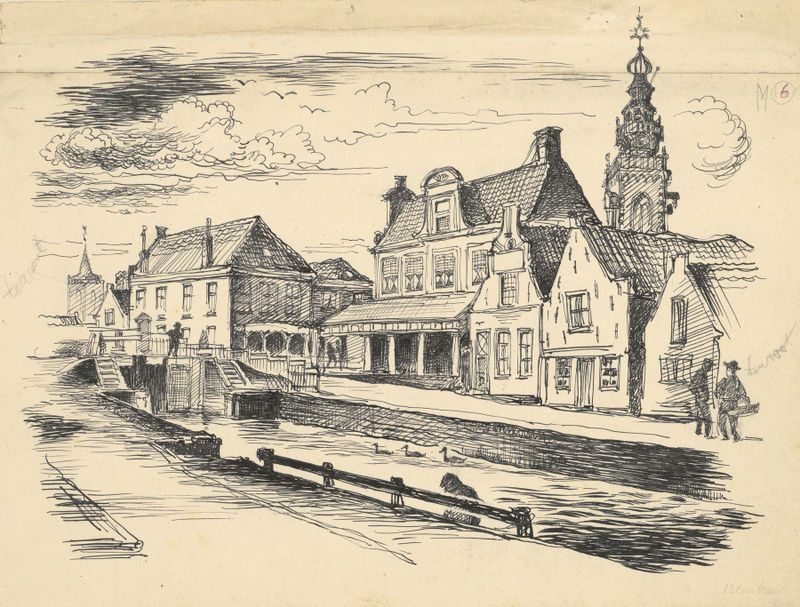
Gezicht vanaf de Gooische Kaai op de Waag
Maarten Oortwijn
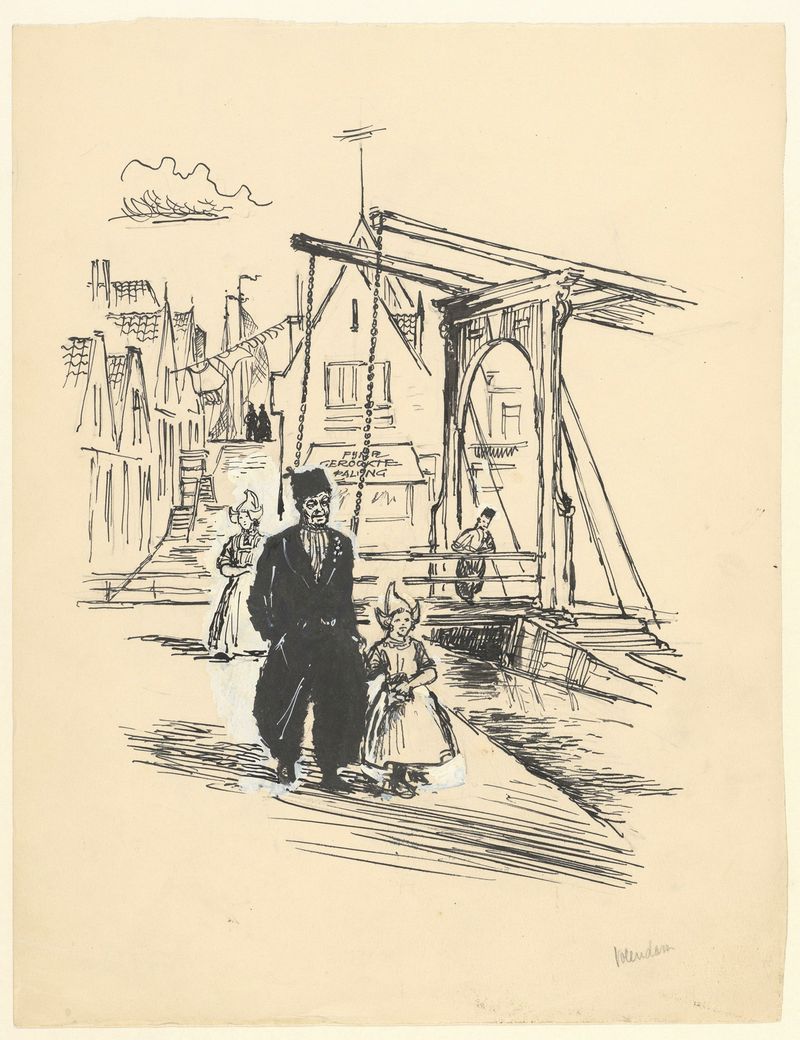
Gezicht te Volendam.
Maarten Oortwijn
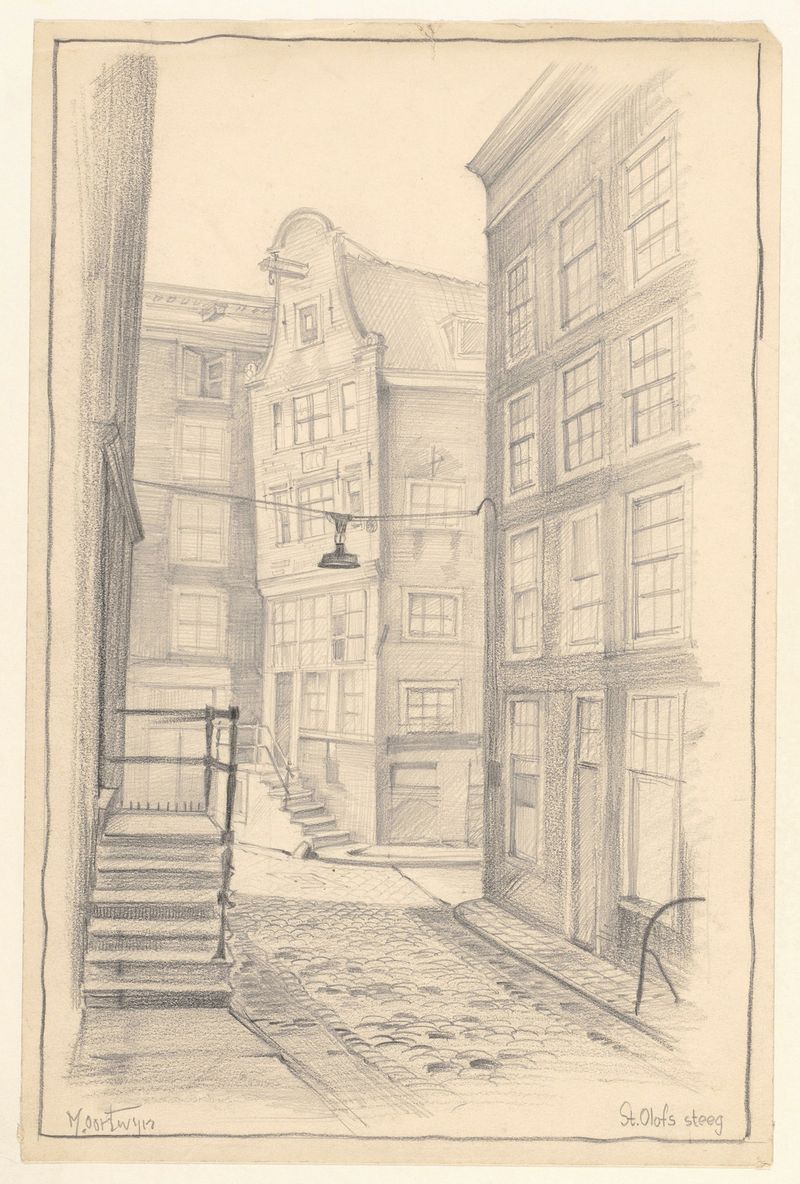
Gezicht in de St. Olofssteeg.
Maarten Oortwijn
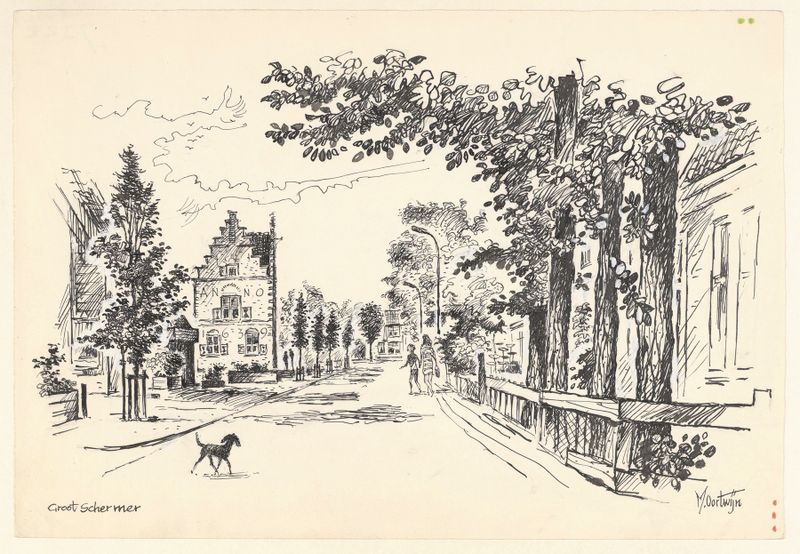
Gezicht te Grootschermer met het Raadhuis
Maarten Oortwijn
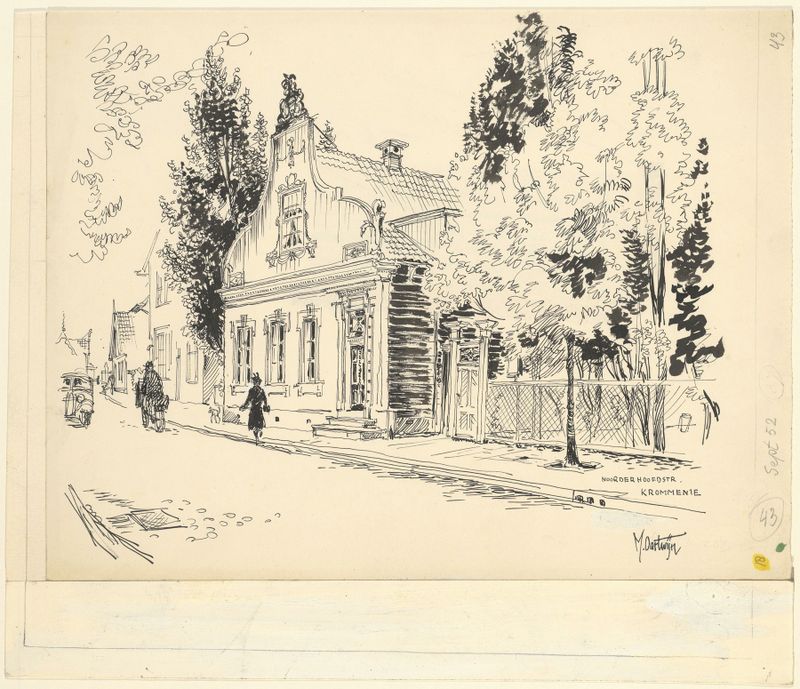
Gezicht in de Noorder
Maarten Oortwijn
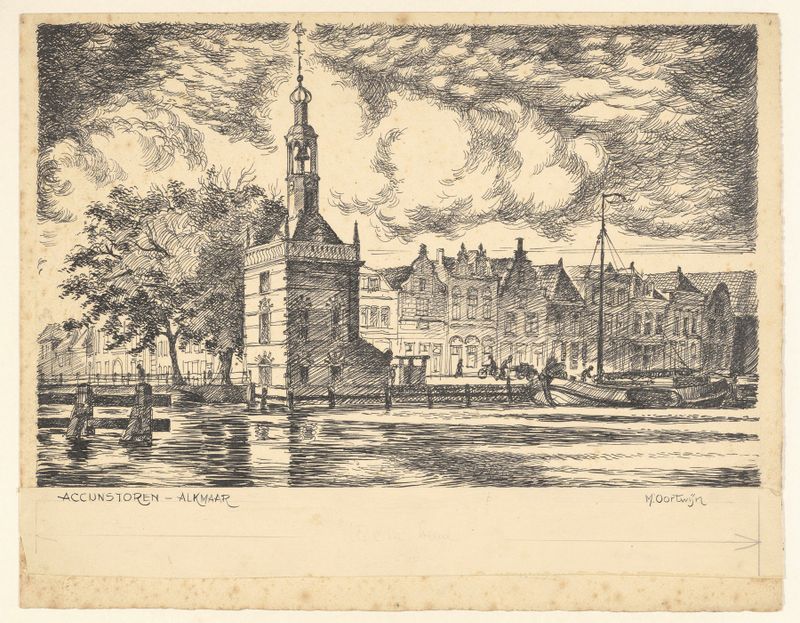
Gezicht op de Accijnstoren aan de Bierkade.
Maarten Oortwijn
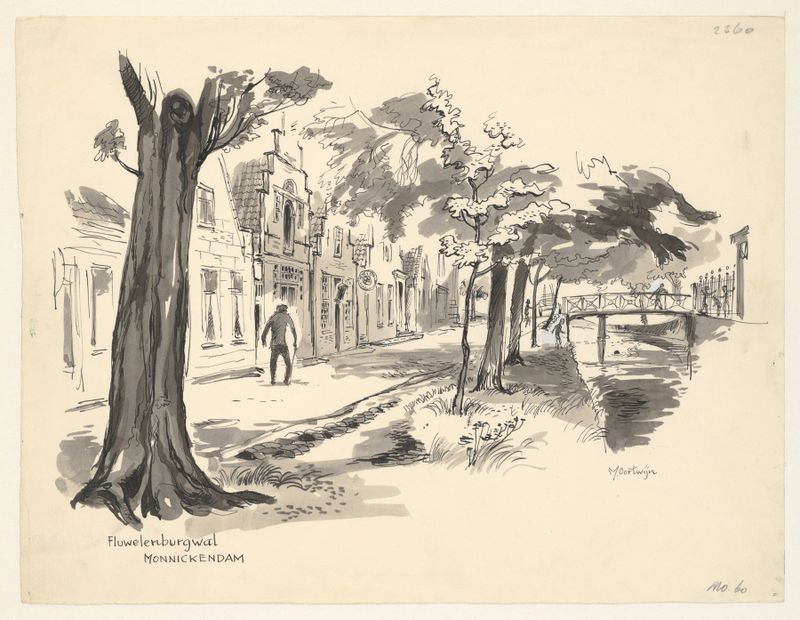
Fluwelenburgwal, Monnickendam
Maarten Oortwijn
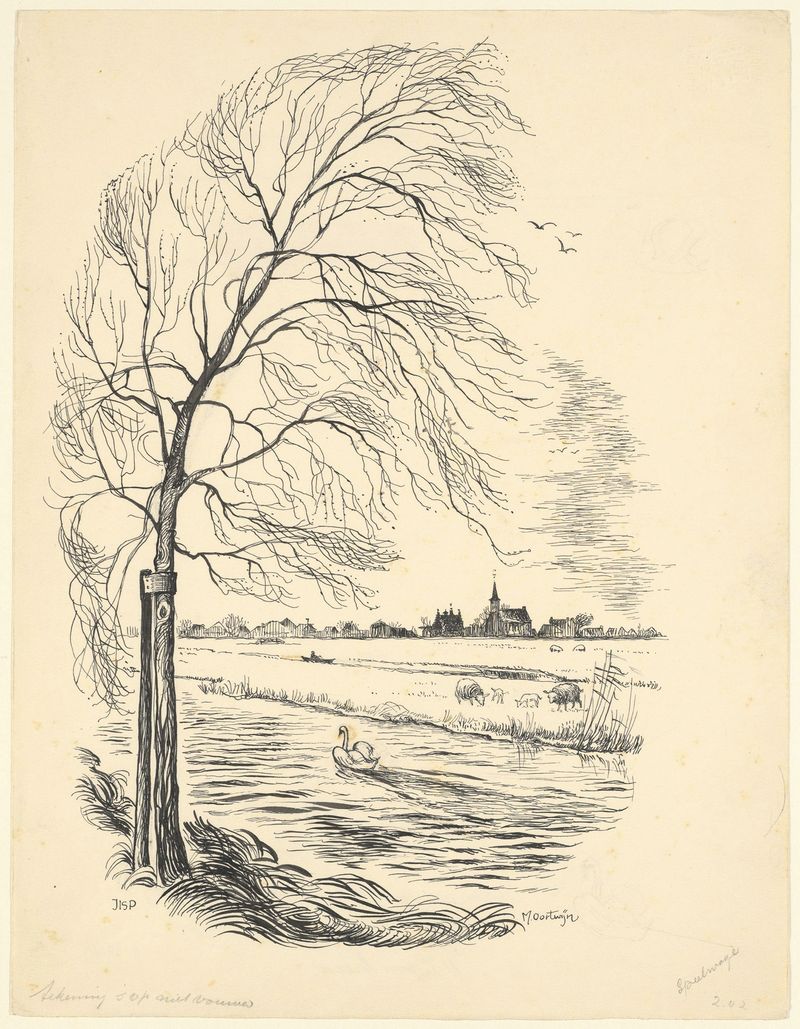
Gezicht op Jisp.
Maarten Oortwijn
More Architecture Art
Browse all →
The statue of Liberty
Frédéric Auguste Bartholdi

View of Houses in Delft, Known as ‘The Little Street’
Johannes Vermeer

View of Houses in Delft, Known as ‘The Little Street’
Johannes Vermeer

The Cathedral in Rouen. The portal, Grey Weather
Claude Monet

The yellow house
Vincent van Gogh

The Church in Auvers-sur-Oise, View from the Chevet
Vincent van Gogh