
Westerkerk — History & Facts
What if silence could speak through light? Westerkerk invites its viewers to ponder this profound question, immersing them in a serene embrace of beauty and stillness. Focus on the gentle glow spilling from the church’s stained glass windows, illuminating the cobblestone street. Notice how the soft hues of amber and emerald meld seamlessly, casting a warm, inviting light that dances with the shadows. The composition draws the eye upward, leading to the towering spire that seems to touch the heavens, while the carefully placed figures, though small, echo the grandeur of the scene, embodying a sense of reverent connection to the sacred space. There exists an intriguing contrast between the vibrancy of the light and the stillness of the surrounding architecture.
The church stands as a symbol of permanence amid the ephemeral nature of life—a moment captured in time. The juxtaposition of the vivid colors and the muted tones of the buildings reflects the delicate balance between joy and contemplation, inviting a deeper exploration of faith and community within the viewer. Created during the late 1950s to early 1970s, Maarten Oortwijn's Westerkerk emerged at a time marked by rapid social changes and artistic experimentation in the Netherlands. Amid this transition, the artist sought to encapsulate not only the physical beauty of Amsterdam but also the quiet persistence of its spiritual and cultural heart.
This work represents Oortwijn's ability to transform a moment of stillness into a captivating visual narrative, resonating with both the prevailing art movements and the personal experiences of its creator.
More Artworks by Maarten Oortwijn
Browse all →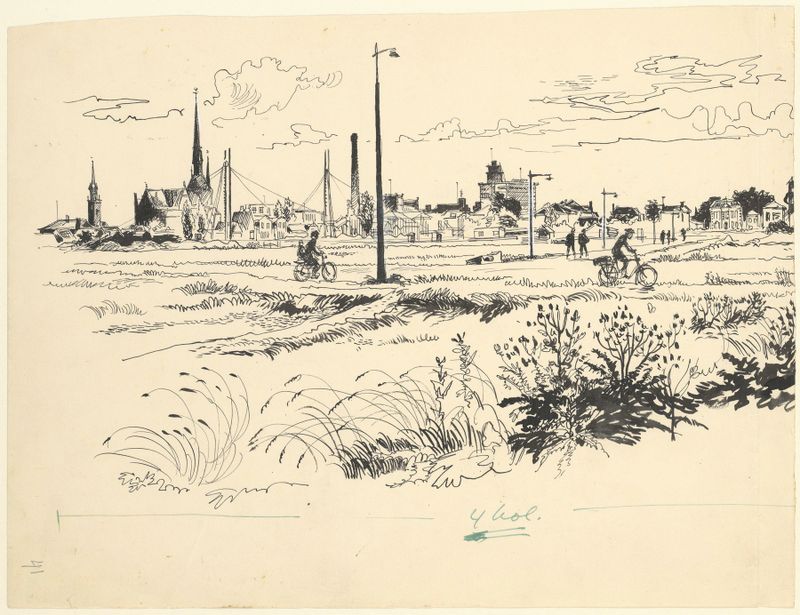
Gezicht op Koog aan de Zaan.
Maarten Oortwijn
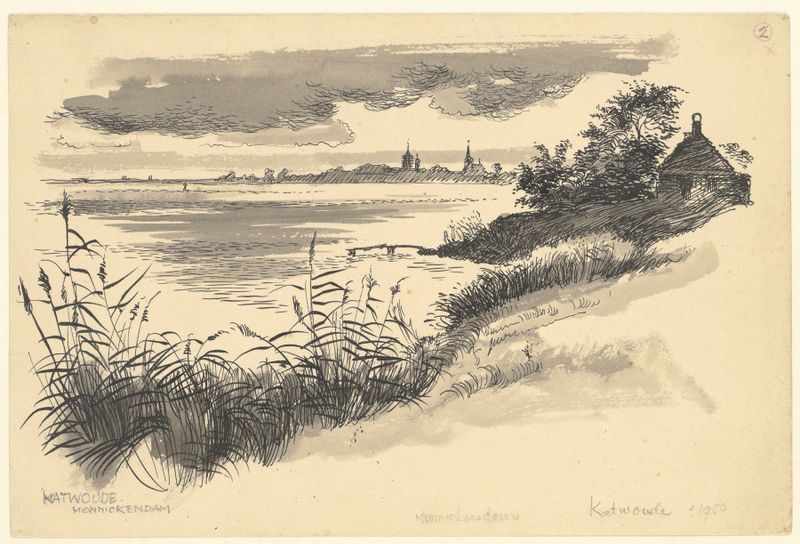
Gezicht vanuit Katwoude op Monnickendam
Maarten Oortwijn
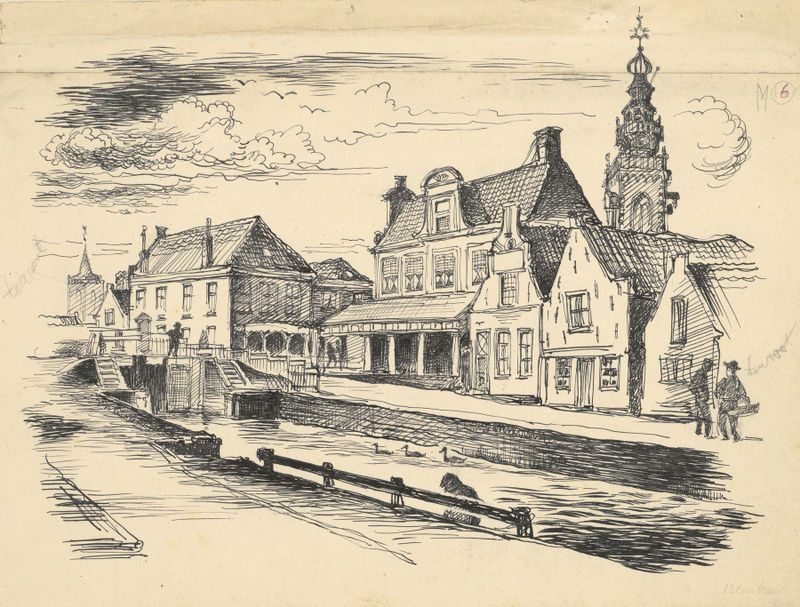
Gezicht vanaf de Gooische Kaai op de Waag
Maarten Oortwijn
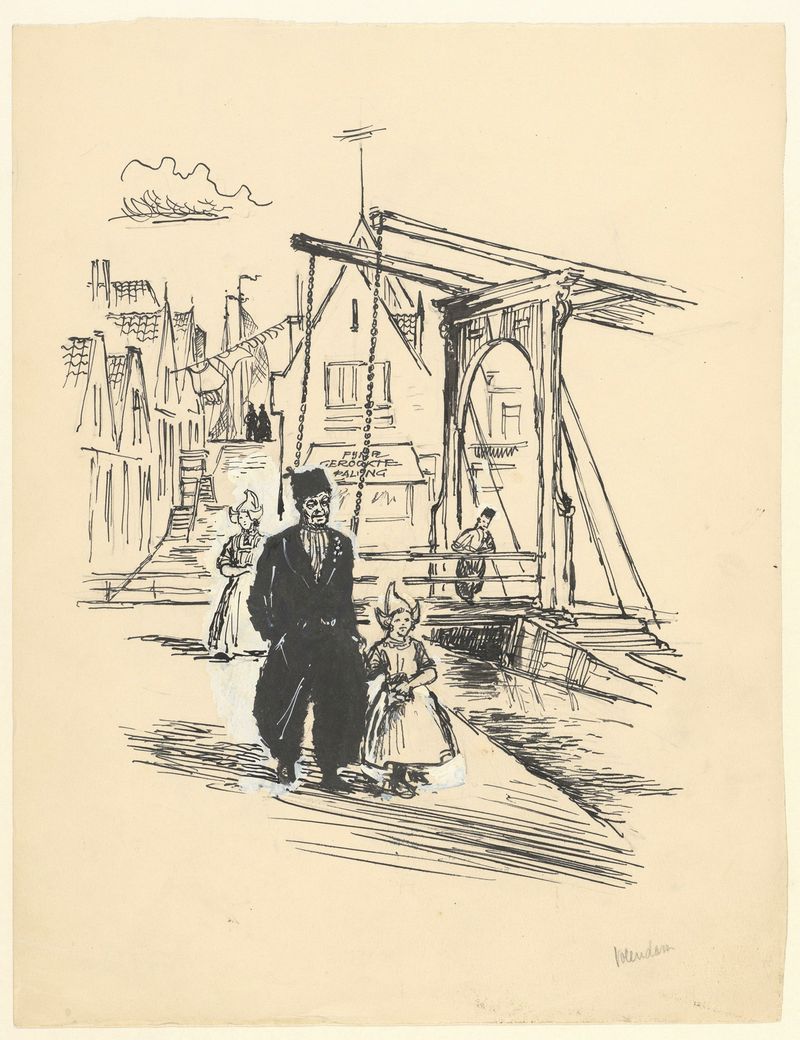
Gezicht te Volendam.
Maarten Oortwijn
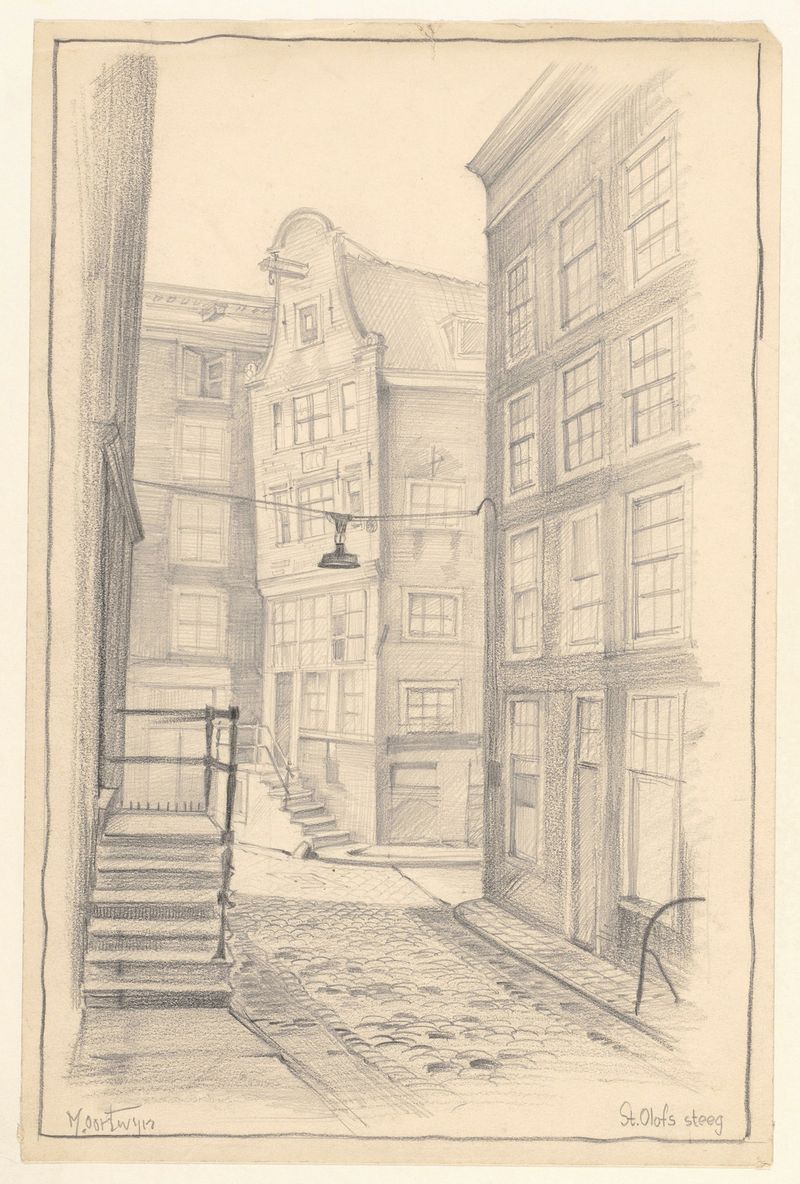
Gezicht in de St. Olofssteeg.
Maarten Oortwijn
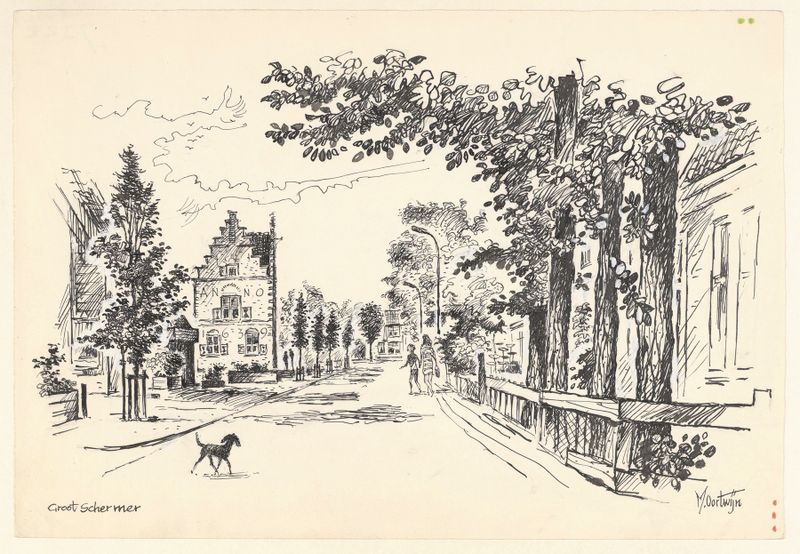
Gezicht te Grootschermer met het Raadhuis
Maarten Oortwijn
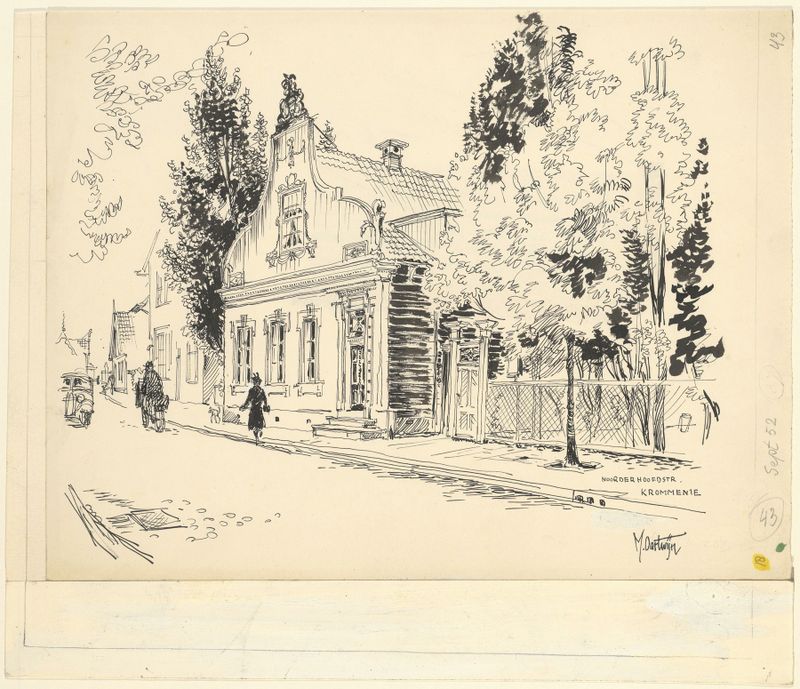
Gezicht in de Noorder
Maarten Oortwijn
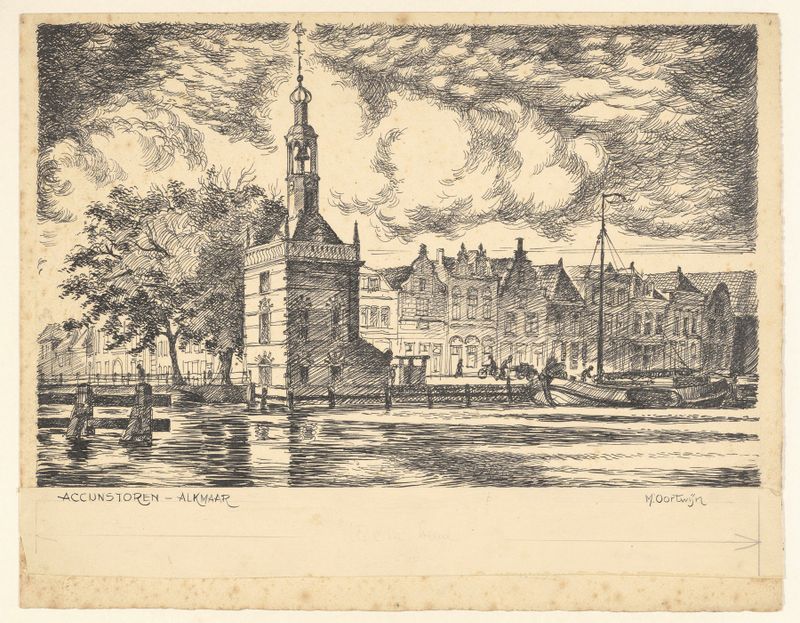
Gezicht op de Accijnstoren aan de Bierkade.
Maarten Oortwijn
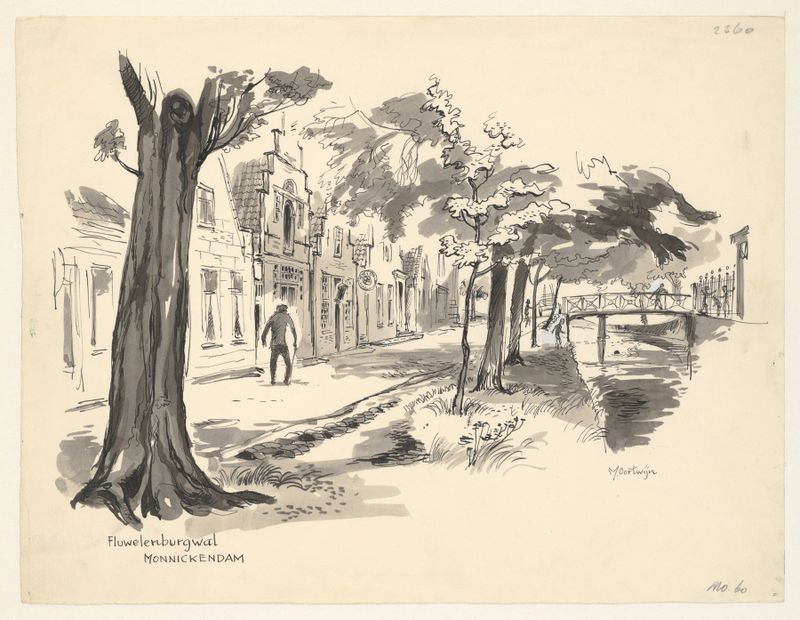
Fluwelenburgwal, Monnickendam
Maarten Oortwijn
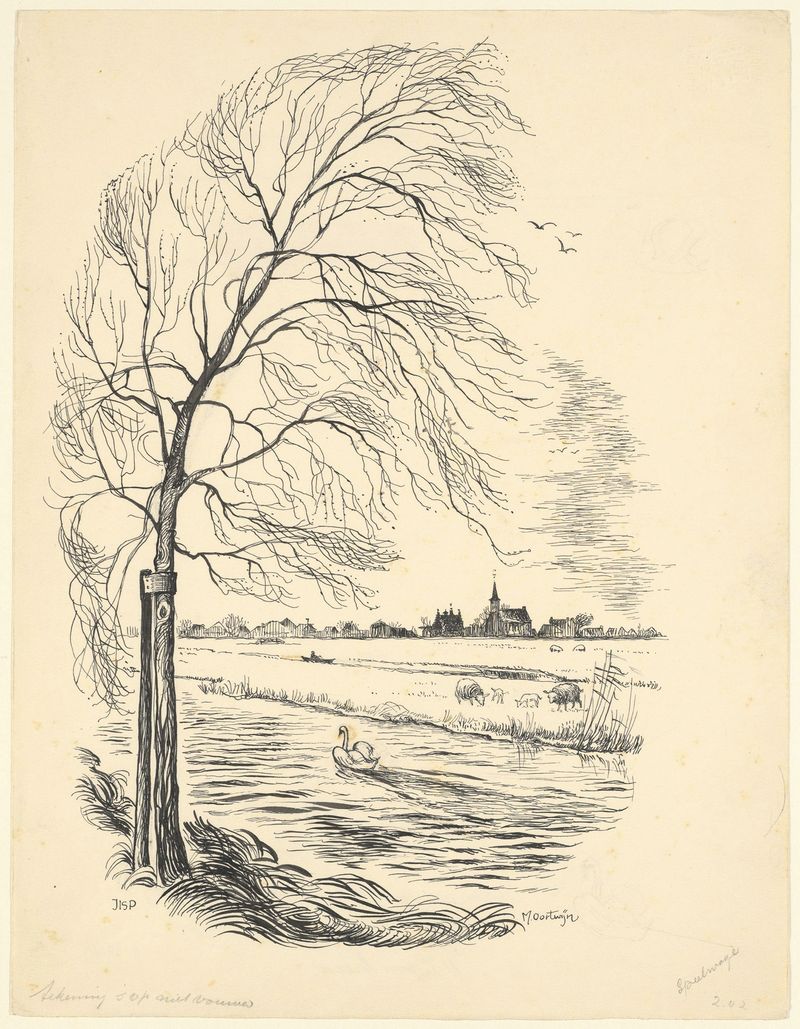
Gezicht op Jisp.
Maarten Oortwijn
More Architecture Art
Browse all →
The statue of Liberty
Frédéric Auguste Bartholdi

View of Houses in Delft, Known as ‘The Little Street’
Johannes Vermeer

View of Houses in Delft, Known as ‘The Little Street’
Johannes Vermeer

The Cathedral in Rouen. The portal, Grey Weather
Claude Monet

The yellow house
Vincent van Gogh

The Church in Auvers-sur-Oise, View from the Chevet
Vincent van Gogh