Wharf in Mechelen — History & Facts
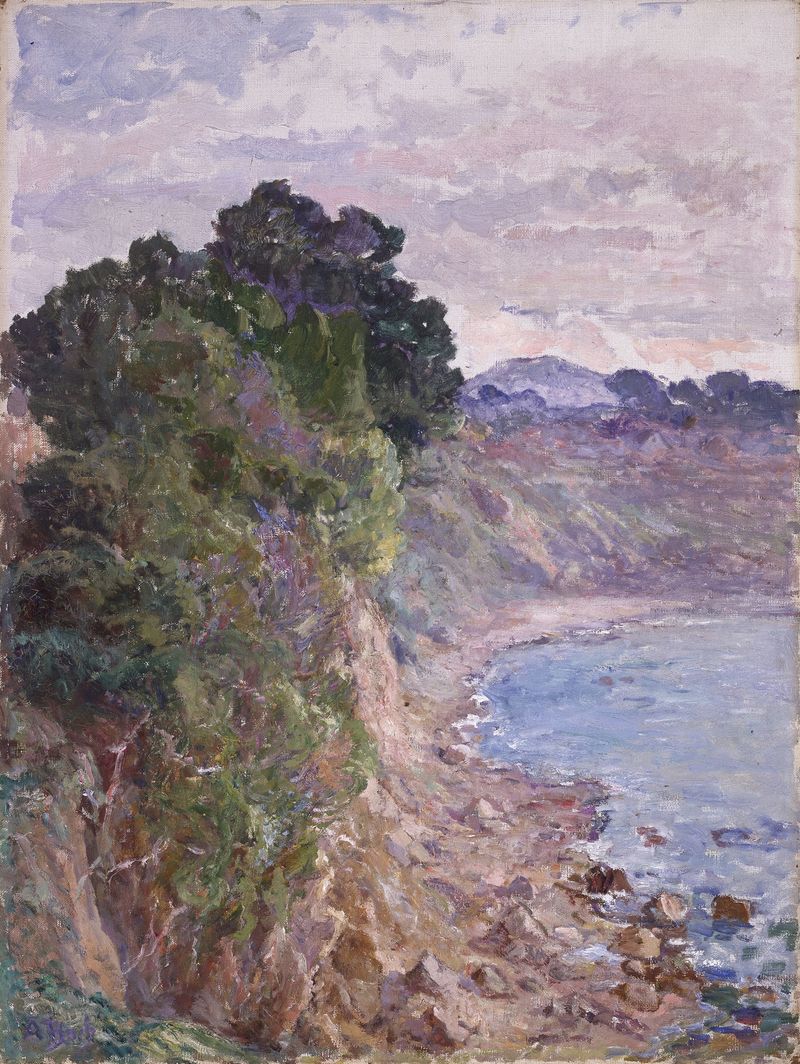
This delicate balance between the vibrancy of life and the stillness of observation is pivotal in understanding the depth of perception in art. Look to the lower right, where rich greens and blues converge in a harmonious embrace, coaxing the viewer’s gaze across the tranquil water and inviting reflection. The composition is anchored by the soft, muted tones of the sky above, contrasting with the earthy palette below. Notice how light dances across the surface, creating a shimmering effect that blurs the line between reality and imagination, while the deliberate brushstrokes convey both movement and stillness. In the midsection, small boats gently bob, their presence simultaneously suggesting activity and pause, evoking the heart of a bustling wharf that hints at stories untold.
The juxtaposition between the quiet water and the dynamic architecture on the horizon underscores the duality of life—how moments of chaos can exist alongside serenity. This tension invites viewers to ponder their own experiences of balance as they navigate the interplay of color and form. Created in 1906, this work emerged during a pivotal time for Anna Boch, a Belgian artist associated with the avant-garde movement. While she was fostering creativity in her native Belgium, the art world was shifting dramatically, embracing new techniques and perspectives.
Boch sought to carve her place in this evolving landscape, blending Impressionist influences with her unique voice, which ultimately reflected her own personal journey and artistic ambitions.