Wheat Fields, Vermont — History & Facts
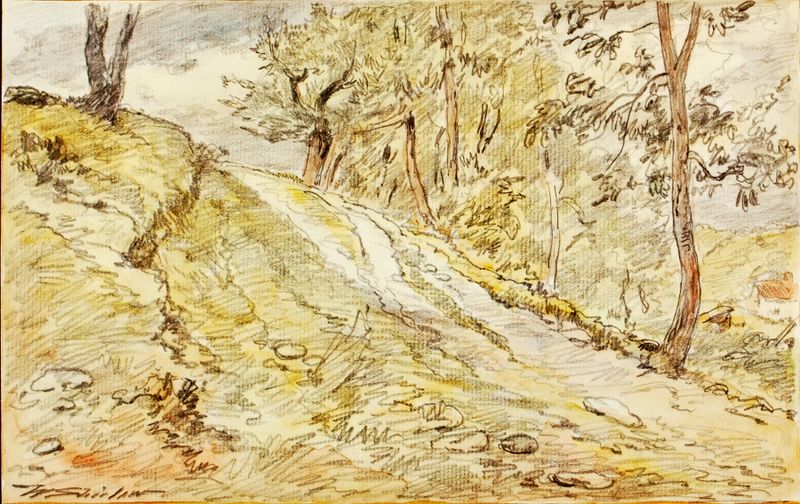
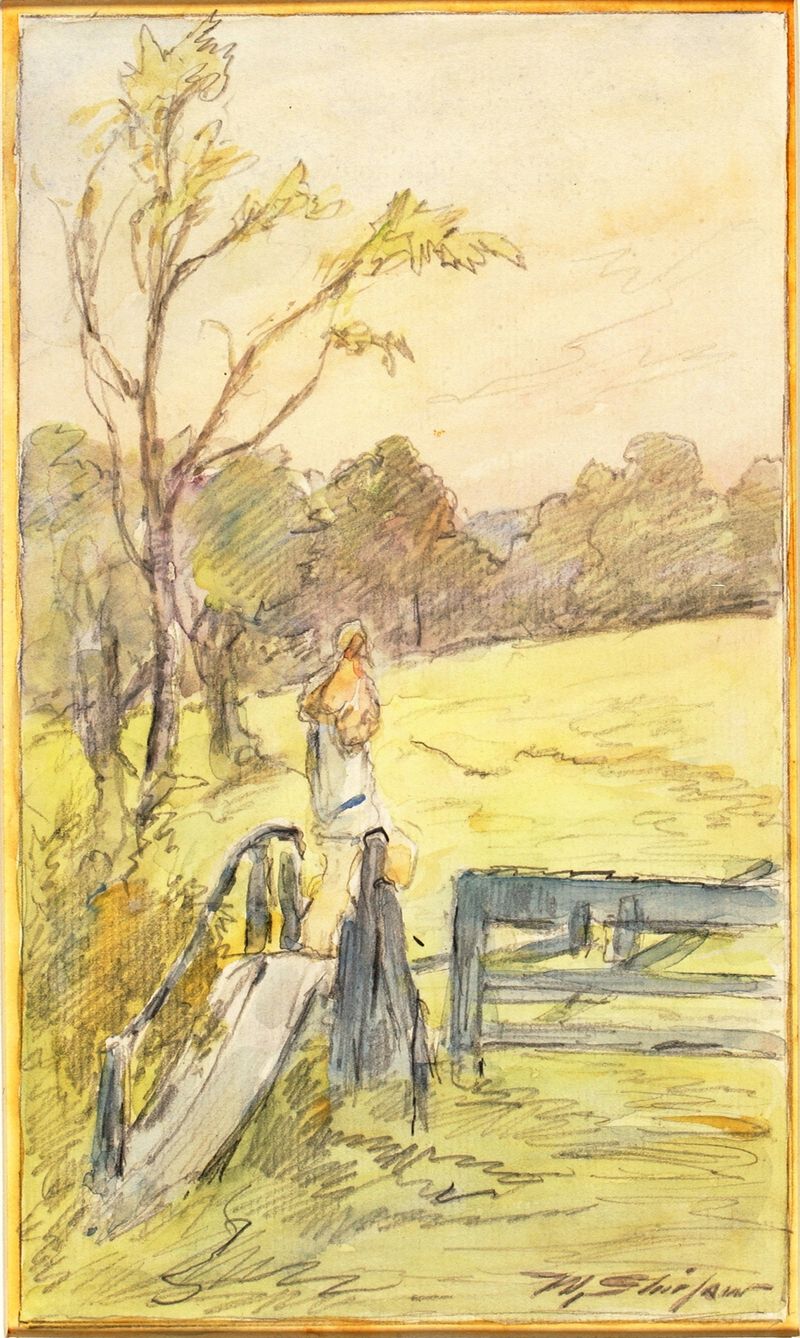
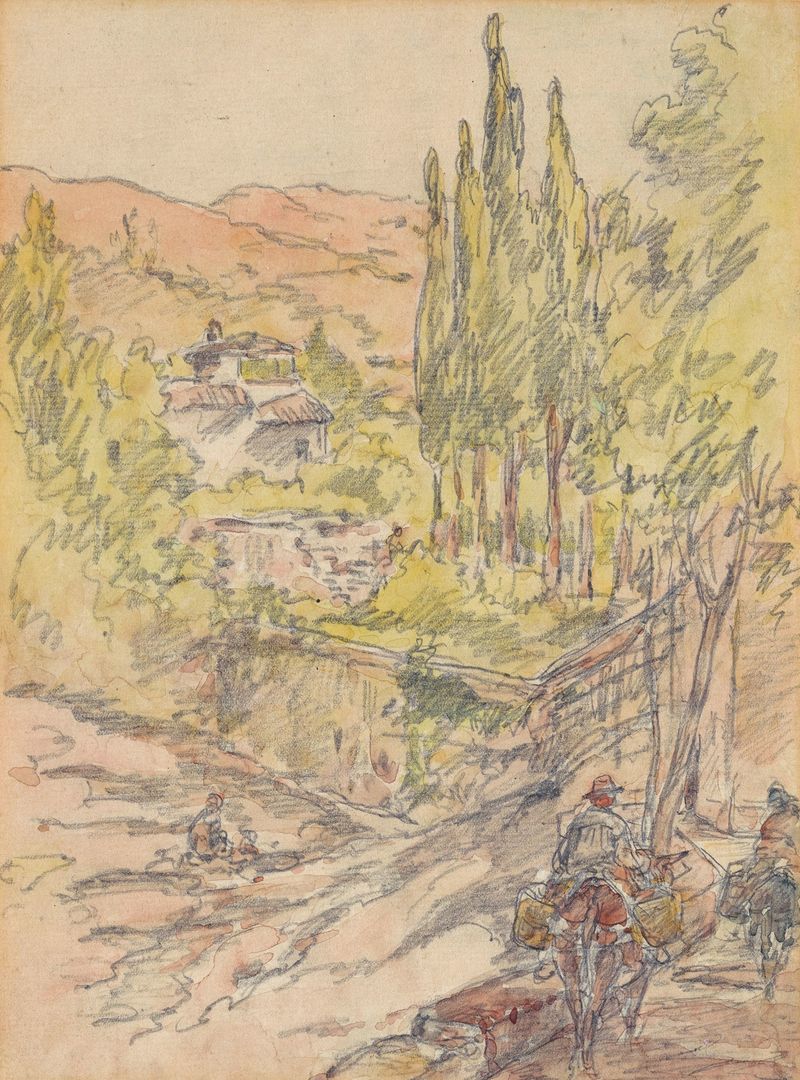
Shadows dance across a golden expanse, whispering secrets of the earth and sky. In the hush of the moment, one is drawn into a realm where nature breathes and memories linger, evoking nostalgia for simpler times. Look to the left at the sweeping silhouettes of the wheat swaying gently in the breeze, each stroke of vibrant yellow and muted gold intertwining with strokes of deep green. The artist employs a masterful play of light and shadow, creating a dynamic interplay that brings depth and texture to the landscape.
Notice how the horizon line is softened by the warm, inviting glow of the setting sun, leading your eyes toward the silhouette of distant hills, where the day's final light meets the embrace of twilight. Hidden within the canvas are contrasts that speak volumes. The bright, sun-drenched wheat symbolizes abundance and life, while the encroaching shadows suggest the inevitable passage of time and the fleeting nature of beauty. This tension captures the viewer's heart, evoking a sense of both peace and melancholy.
The delicate balance between light and dark prompts reflections on memory, reminding us that what we cherish often casts a shadow behind it. Walter Shirlaw painted Wheat Fields, Vermont during a transformative period between 1880 and 1890. Immersed in the Romantic movement, he sought to capture the sublime beauty of American landscapes, reflecting a growing national identity. At this time, Shirlaw found inspiration in the natural world, aiming to convey the emotional resonance of rural life amidst rapid industrial change, a theme that resonated deeply with his contemporaries.