Whitby — History & Facts
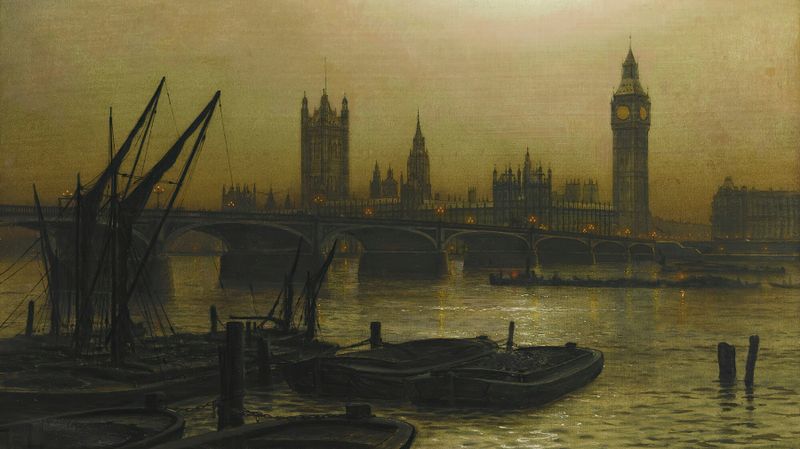
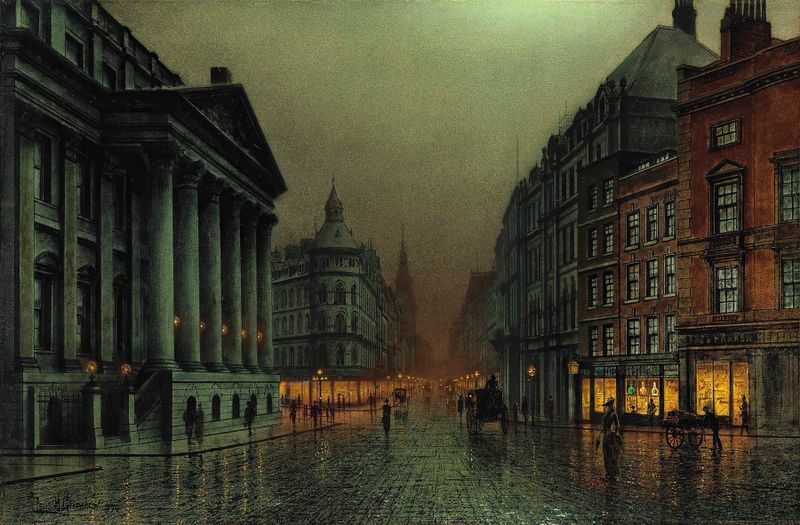
Could a single brushstroke hold eternity? In Whitby, the ethereal blend of light and shadow suggests a world where trust has faltered, whispering tales of betrayal beneath the surface of tranquil waters. Look to the left at the distant cliffs, their rugged edges softened by the gentle kiss of the setting sun. The warm amber hues bleed into cooler tones, inviting the viewer’s gaze towards the intricate play of light upon the rippling sea. Notice how the brushstrokes vary in intensity, with some areas meticulously detailed while others release into a loose, almost chaotic fluidity.
This contrast mirrors the emotional turbulence lurking beneath the picturesque façade, as if the calm waters conceal darker secrets beneath their surface. A closer inspection reveals tiny boats bobbing in the foreground, suggesting the ever-present human element in this idyllic scene, yet the isolation of the cliffs hints at an unbridgeable distance. The reflection of the sunset shimmers with a deceptive allure, enticing yet foreboding, as if to remind us that beauty can often mask profound disillusionment. The composition balances elements of serenity with an undercurrent of unease, creating a tension that resonates deeply. In 1899, the artist was deeply engaged in shaping his way forward amidst the changing currents of British Impressionism.
Living in the vibrant atmosphere of London, Grimshaw's works sought to capture both the transient qualities of light and the emotional landscapes of human experience. The world around him was evolving, yet he anchored himself in the familiar embrace of coastal scenery, revealing the complexity of human emotion and the fragility of trust through nature’s raw beauty.