Wierookvat, bolvormig — History & Facts
Who listens when art speaks of silence? Amidst the chaos of history, a seemingly tranquil object holds the weight of violence and reverence, beckoning us to reflect on its purpose. Look closely at the intricate carvings that spiral around the surface of this bolvormig incense burner. The craftsmanship invites the eye to dance along the ornate patterns, where each curve and line seems to tell a story of devotion and ritual. Notice how the warm hues of the bronze catch the light, casting shadows that breathe life into the cold metal, creating a dynamic interplay between the physical and the spiritual. Yet, beyond its exquisite beauty lies a tension that cannot be ignored.
The very act of burning incense evokes a sense of ritualistic violence, a necessary catharsis where the earthly meets the divine. The burner serves as a conduit, transforming the mundane into the sacred, yet it also hints at the sacrifices made in the name of faith. Each wisp of smoke rising into the air carries with it echoes of prayers and perhaps even the sorrows of a turbulent past, reminding us of the fragility of peace. Created between 1150 and 1200, this piece reflects a period marked by both religious fervor and socio-political upheaval in Europe.
Little is known about its creator, but the craftsmanship points toward a burgeoning artistic tradition that blended faith with form during the height of the Romanesque era. As communities grappled with violence and devotion, this incense burner stands as a testament to the enduring dialogue between humanity and the divine.
More Artworks by Unknown Artist
Browse all →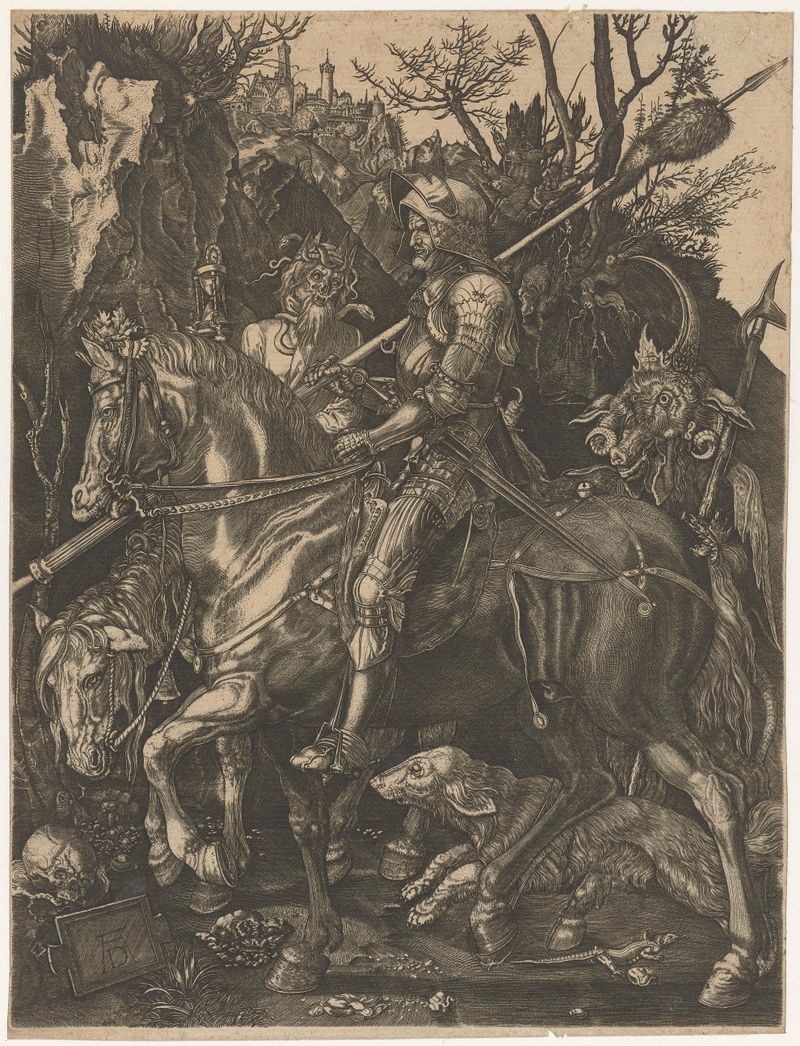
Ridder, Dood en Duivel
Unknown Artist
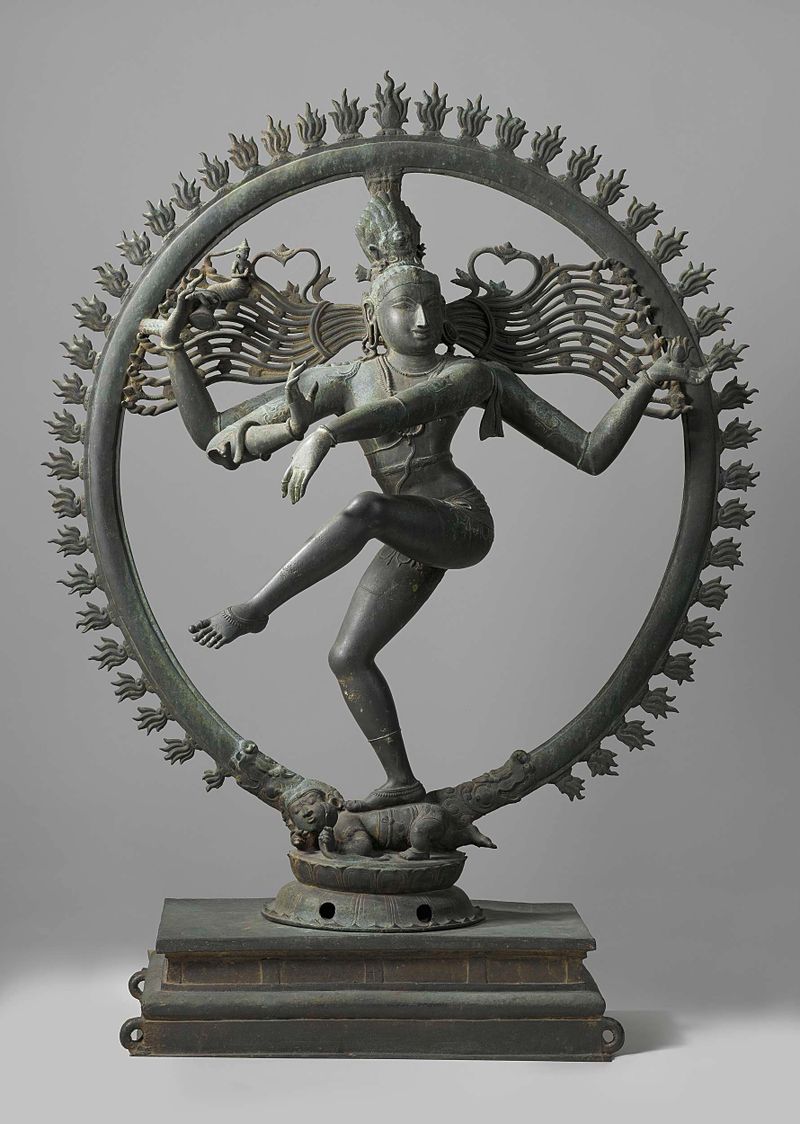
Shiva Nataraja
Unknown Artist
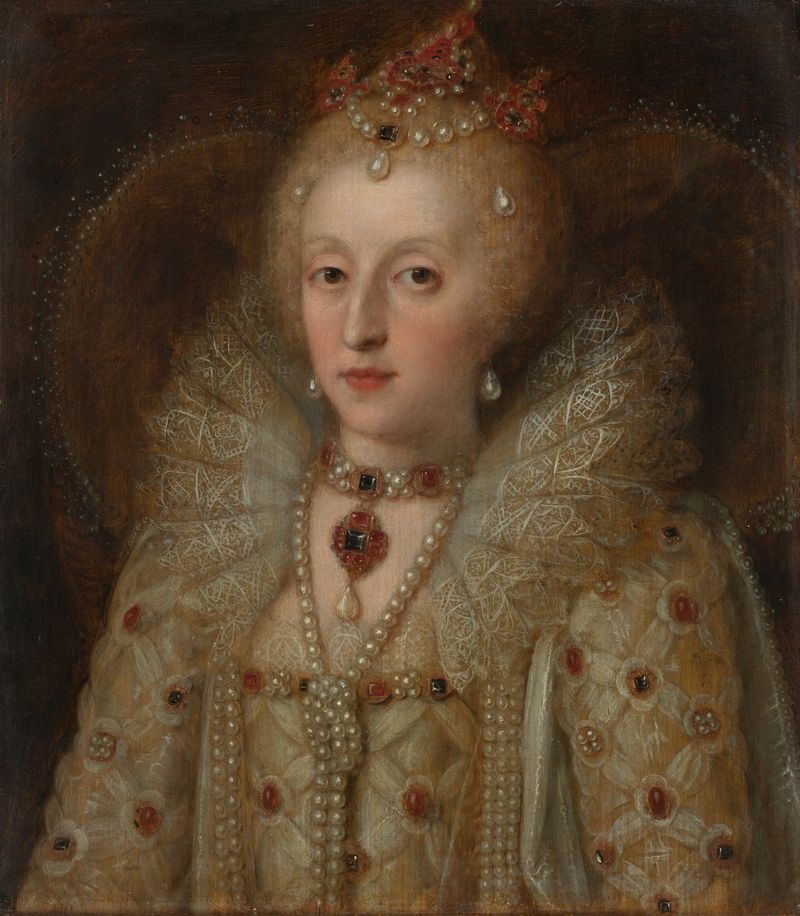
Portrait of Elizabeth I, Queen of England
Unknown Artist
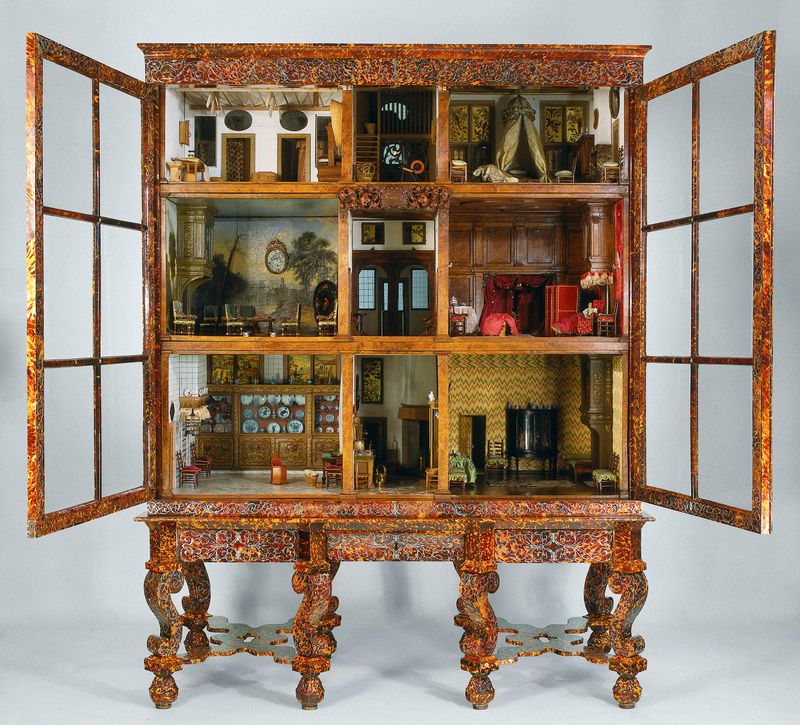
Dolls’ house of Petronella Oortman
Unknown Artist
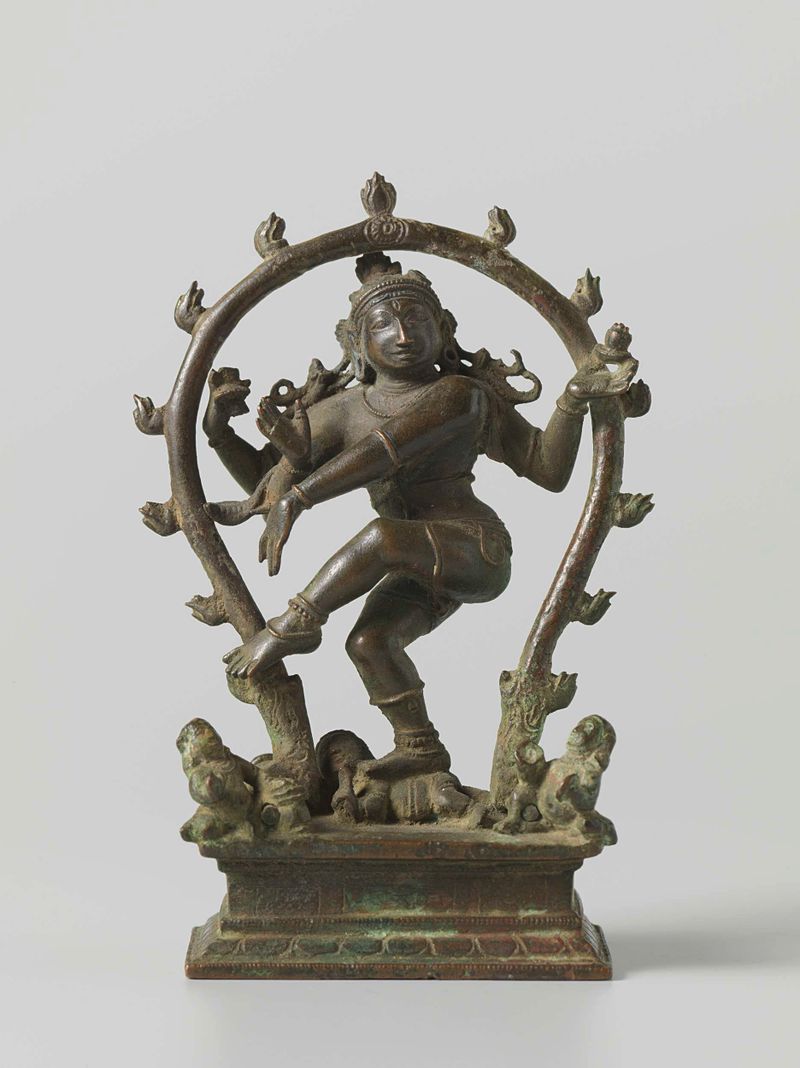
Shiva Nataraja
Unknown Artist

The Tale of Genji
Unknown Artist

The Tale of Genji
Unknown Artist
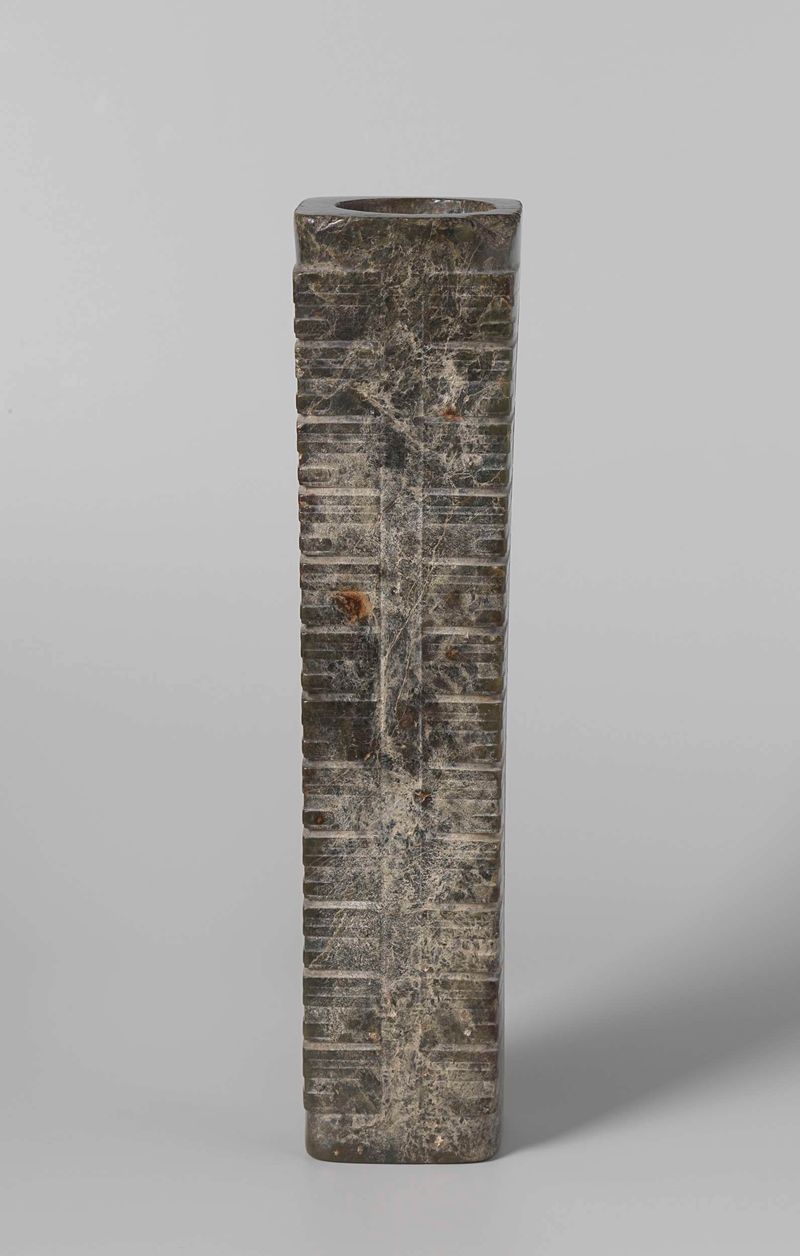
Cong
Unknown Artist
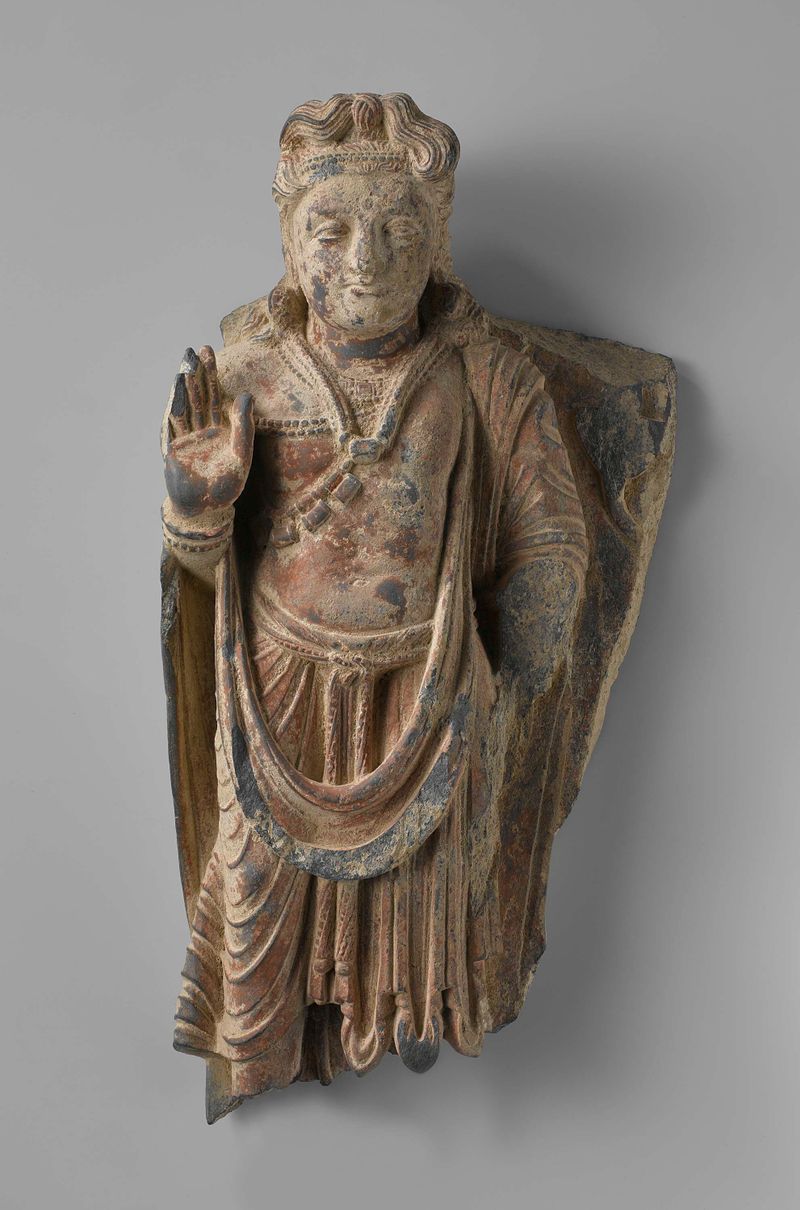
The bodhisattva Maitreya
Unknown Artist
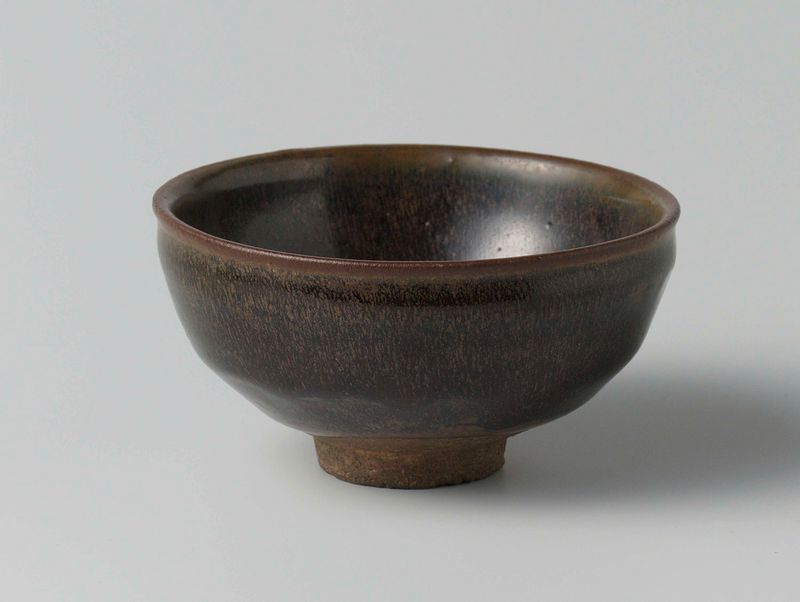
Teabowl with a 'hare's fur' glaze
Unknown Artist