Wild Horses — History & Facts
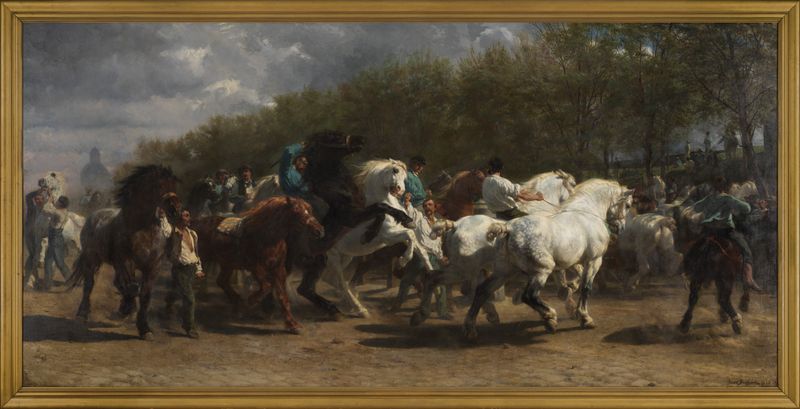
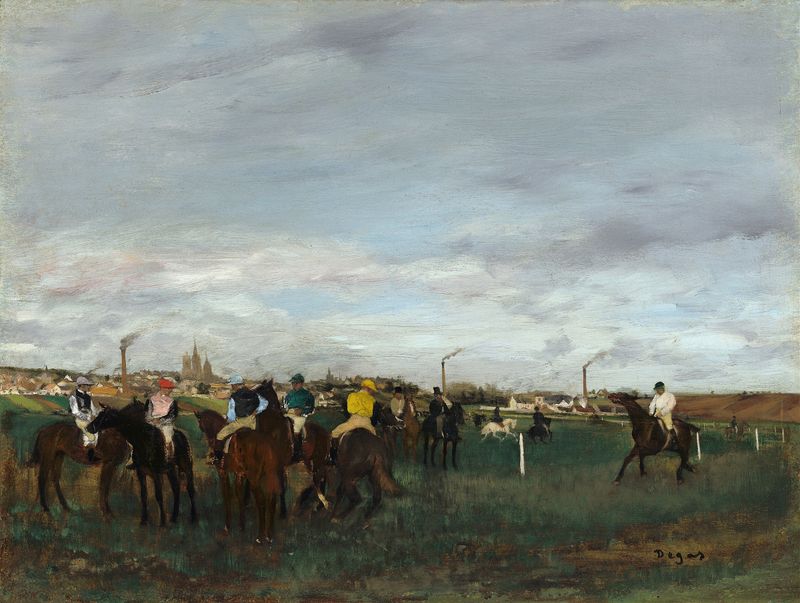
What secret hides in the quiet of the canvas? The vibrant hues and wild forms beckon us to explore the untamed spirit captured within. Focus on the dynamic strokes that swirl with energy and movement, leading your eyes to the powerful horses at the center. Notice how vibrant oranges and deep blues collide, igniting a sense of chaos and freedom. The bold brushwork creates an almost rhythmic pulse, allowing the viewer to feel the essence of the horses, as though they might leap off the canvas at any moment.
The interplay of color not only defines the horses but also envelops them in an ethereal quality, suggesting their connection to the natural world. Beneath the surface of this energetic scene lies a profound contrast between freedom and restraint. The unbridled motion of the horses hints at a yearning for liberation, while the subdued background suggests the weight of the world pressing against their wild nature. Each horse carries its own story, yet together they represent a collective spirit—a reminder of the untamed element present in all living beings.
The colors serve as a dialogue between ferocity and calm, urging the viewer to appreciate the delicate balance of life. In the late 18th century, during Japan's Edo period, Soga Shohaku became known for his unique approach to traditional art forms. Painting in a time when the connection with nature was emphasized, he sought to express the raw emotions of his subjects through innovative techniques that defied norms. This period was marked by a blossoming of creativity, and his works stand out for their vivid colors and dynamic forms, reflecting both personal and societal shifts in perception.