
Wimmis an der Kander bey Thun — History & Facts
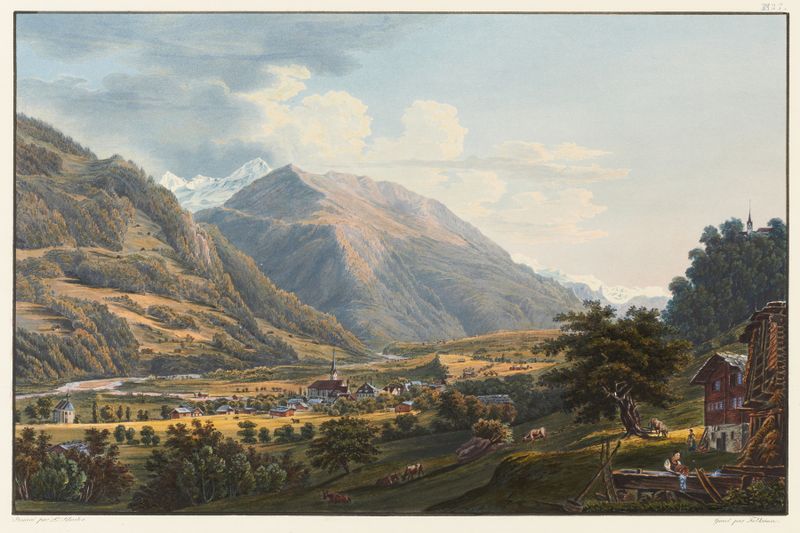
Is this a mirror — or a memory? The serene landscape unfolds, revealing the delicate balance between nature and human presence, a reflection of our own place within the world. Look to the right at the gentle flow of the Kander River, its waters shimmering under the dappled sunlight. Notice how the lush greenery frames the scene, contrasting vividly with the muted tones of the distant mountains. The artist masterfully employs a soft palette, harmonizing earth tones with a splash of vivid blue, inviting the viewer to wander into this tranquil moment.
The careful composition draws the eye toward the bridge, a subtle nod to human ingenuity and coexistence with the serene environment. Yet beneath the placid surface lies a tension between tranquility and the transience of life. The river, with its ceaseless flow, symbolizes the passage of time, while the figures standing on the bridge become a fleeting connection to the landscape. Each brushstroke captures a snapshot of existence, hinting at the countless stories unfolding within the stillness.
The balance of elements in this painting evokes both peace and contemplation, prompting the viewer to reflect on their own connection to nature. Created during a time of artistic exploration in the late 19th century, the artist found himself immersed in a burgeoning appreciation for landscapes. Wimmis an der Kander bey Thun reflects the idyllic settings favored by Romanticism, where nature was revered as a source of inspiration. This period in Switzerland was marked by a growing interest in capturing the sublime beauty of the environment, merging personal experience with the grandiosity of the natural world.
More Artworks by Johann Ludwig Bleuler
Browse all →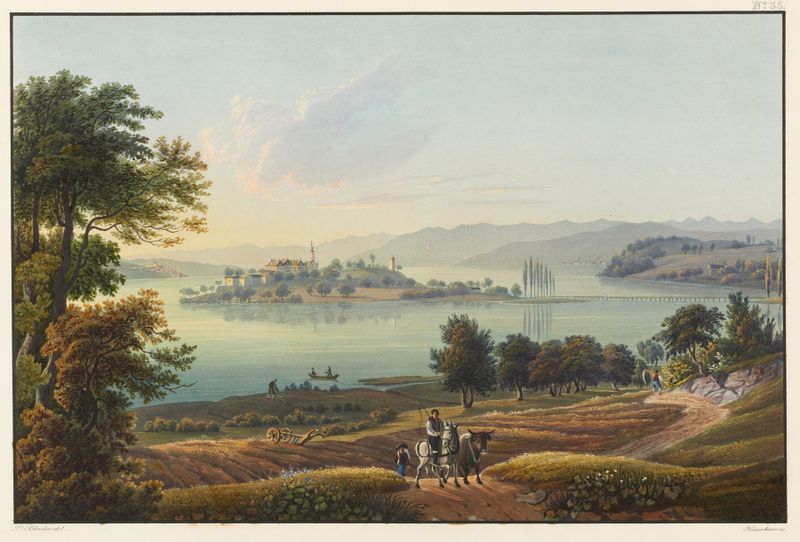
Vue de l’Jsle de Meynau dans le lac de Constance
Johann Ludwig Bleuler
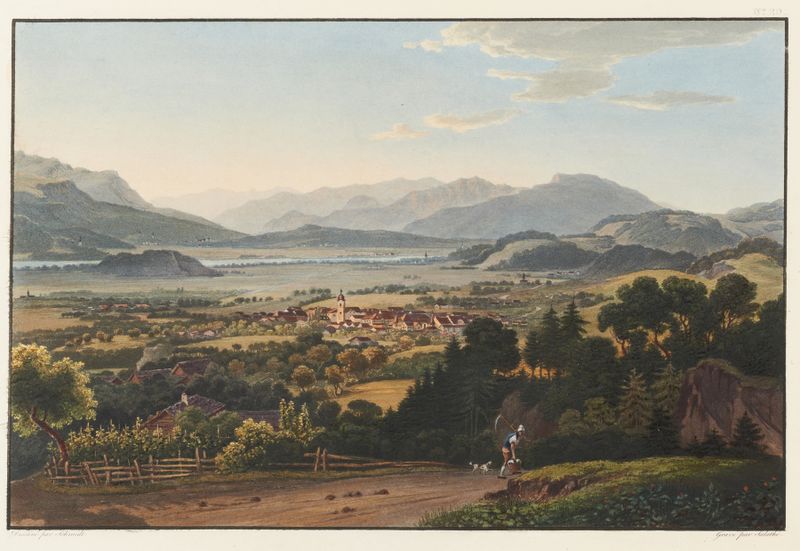
La petite ville d’Altstatten dans la valée du Rhin, Canton de St. Gall
Johann Ludwig Bleuler
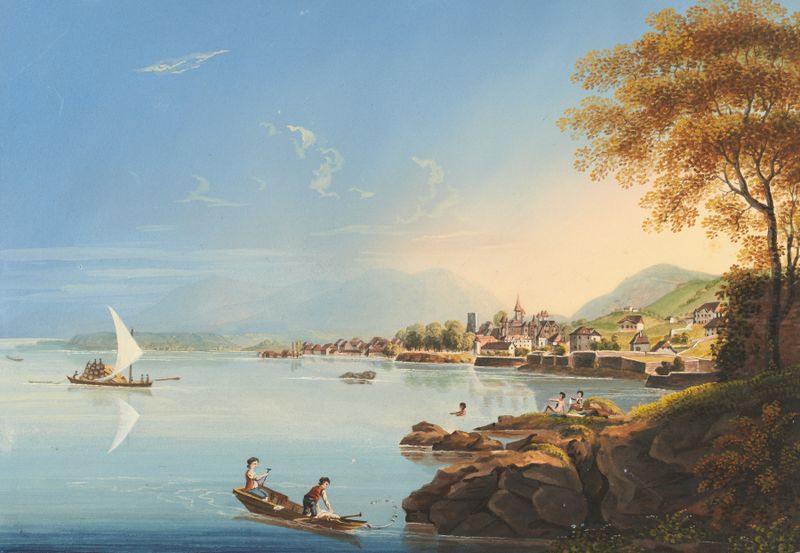
Vue de la ville de Neuchatel en Suisse
Johann Ludwig Bleuler
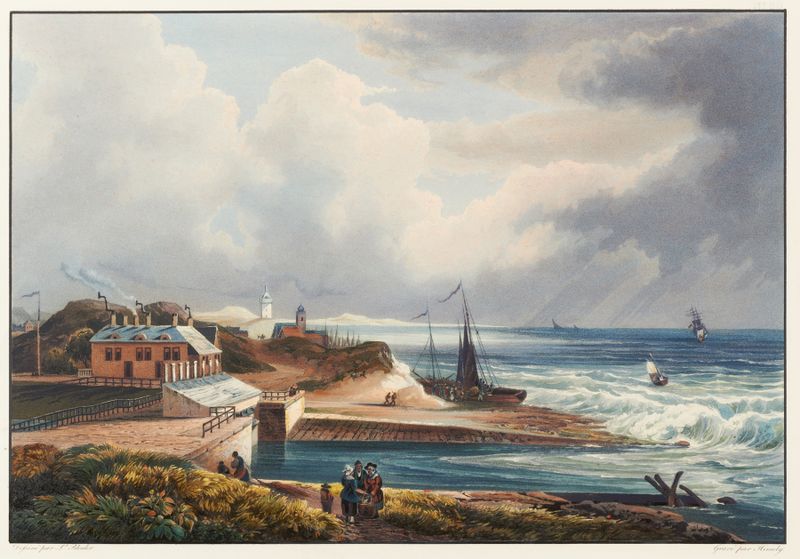
Vue de Katwyk et de l’embochure du Rhin, dans la Mer du Nord
Johann Ludwig Bleuler
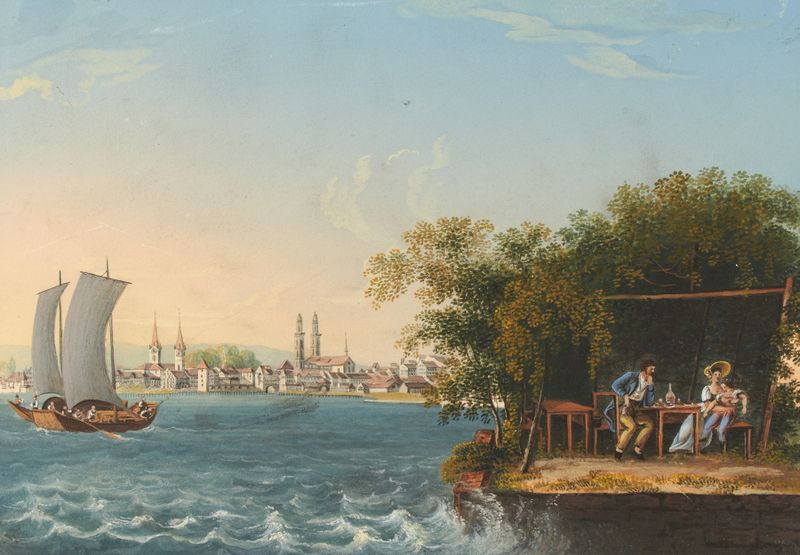
Vue de la ville de Zurich
Johann Ludwig Bleuler
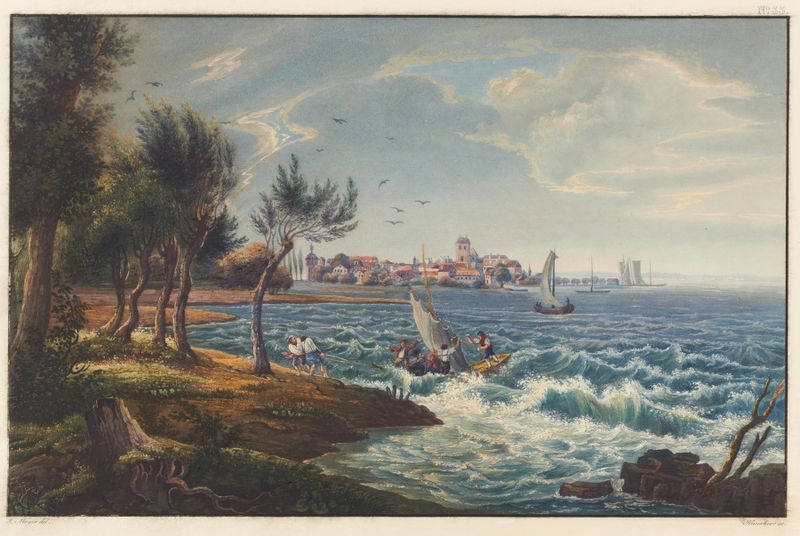
Vue de la ville d’Arbon et du lac de Constance
Johann Ludwig Bleuler
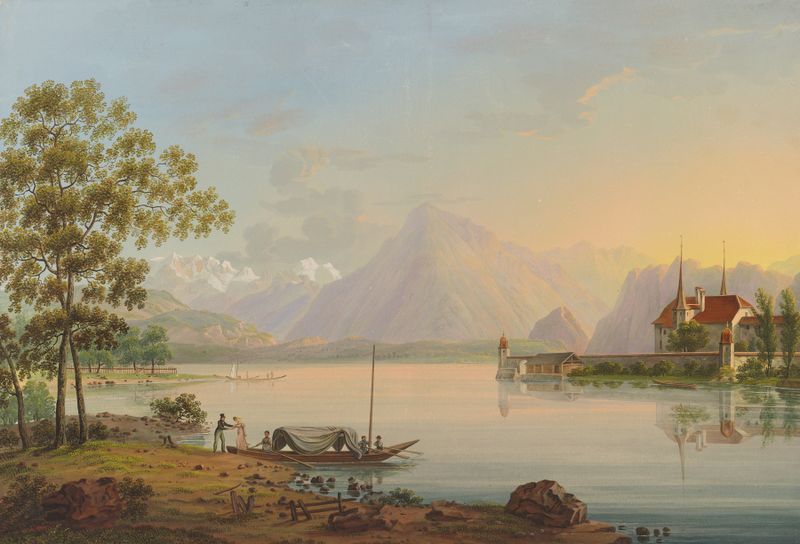
Thoun am Thounersee
Johann Ludwig Bleuler
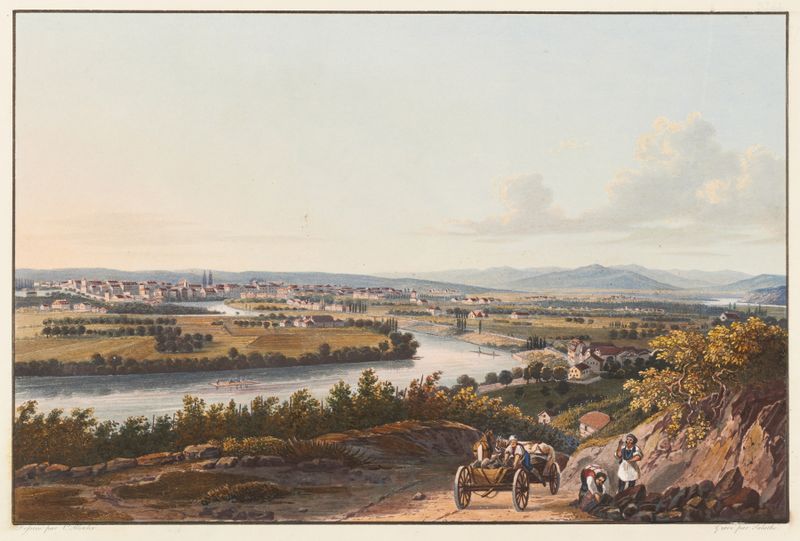
Vue de la ville de Bâle et de ses environs
Johann Ludwig Bleuler
Vue du village de Trons, historique au sujet de la confederation du Canton des Grisons
Johann Ludwig Bleuler
Vue de la ville de Diessenhofen et du Couvent de Catherinenthal
Johann Ludwig Bleuler





