Windmill, Zwyndrecht — History & Facts
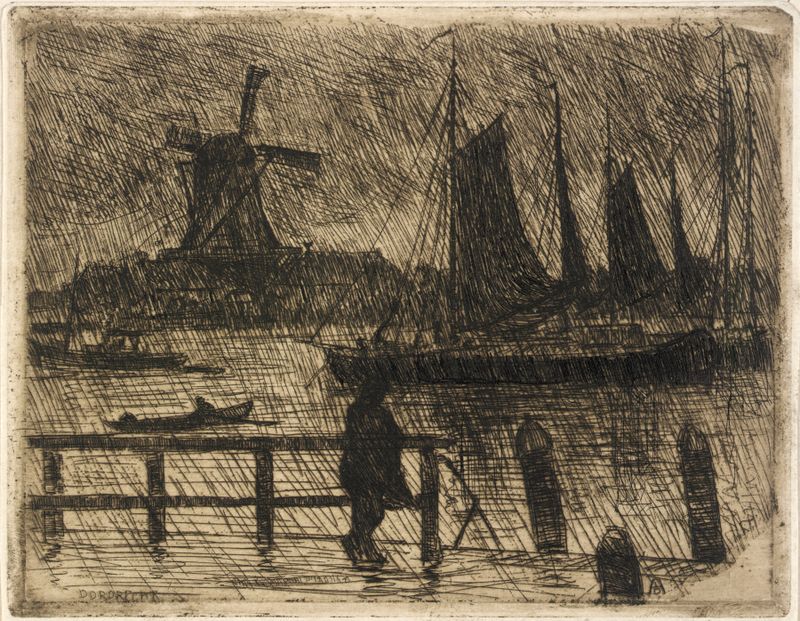
Shadows dance across the surface of this artwork, whispering secrets of time and nature's relentless march. In this silent dialogue, the windmill stands as a testament to both human endeavor and the forces that shape the landscape. Every stroke tells a story, yet the enigmatic nature of shadows invites the viewer to ponder what lies beneath the surface. Look closely at the windmill in the center, its sails poised against the sky, nearly tinged with a soft hue of ochre.
Notice how the light falls upon the structure, illuminating the weathered wood while simultaneously casting deep silhouettes that stretch like a living thing. The color palette remains muted, yet rich, with earthy tones that evoke a sense of nostalgia, grounding the windmill in its rural context. The subtle interplay of light and shadow adds depth, inviting you to explore the contrast between the tangible and the ephemeral. As you delve deeper, you may sense a tension between the windmill’s sturdy presence and the fleeting shadows that envelop it.
The shadows suggest a duality, hinting at the passage of time and the ephemeral nature of life itself. They embody both protection and concealment, serving as a reminder that every moment holds layers of meaning just out of reach, waiting to be discovered. This quiet conflict speaks to the universal struggle between permanence and transience. In this unmarked period of creation, George Charles Aid immersed himself in the beauty of Dutch landscapes, drawing inspiration from the simplicity and complexity of rural life.
His painting, completed likely in the early 20th century, reflects a growing interest in capturing the essence of the everyday, amidst an artistic world evolving toward modernism. Aid's work encapsulated a longing for connection with the past while simultaneously anticipating the transformations that lay ahead in the realm of art.