
Wiśnicz – Zamek — History & Facts
Can beauty exist without sorrow? This question echoes through the canvas of Wiśnicz – Zamek, where the hauntingly beautiful ruins of a castle rise against a stormy sky, inviting contemplation on the passage of time and the weight of history. Notice how your gaze is immediately drawn to the crumbling facade on the left, its jagged edges softened by the lush growth of greenery. The artist employs a muted palette, with shades of gray and green that blend harmoniously, yet hint at an underlying tension. The light breaks through the clouds, illuminating the castle’s remnants, emphasizing their ethereal beauty and creating a stark contrast with the encroaching darkness that looms above. Within this juxtaposition lies a profound commentary on decay and resilience.
The gentle encroachment of nature upon the stone structure symbolizes rebirth, suggesting that from the ruins of mankind’s creations, life persists. Each vine and sprig is a reminder that beauty can flourish in shadow, weaving together themes of loss and the indomitable spirit of life. The oppressive sky further heightens this tension, urging the viewer to reflect on the transient nature of existence. In 1923, while working on this piece, the artist was immersed in the interwar period, marked by artistic experimentation and a burgeoning sense of national identity in Poland.
Living amidst the tumultuous aftermath of World War I, he sought to capture the essence of his homeland, channeling both the nostalgia of a former glory and the hope for renewal. This work stands as a testament to his quest for transcendence, marrying the past and future in a single, poignant vision.
More Artworks by Andrzej Zygmunt Oleś
Browse all →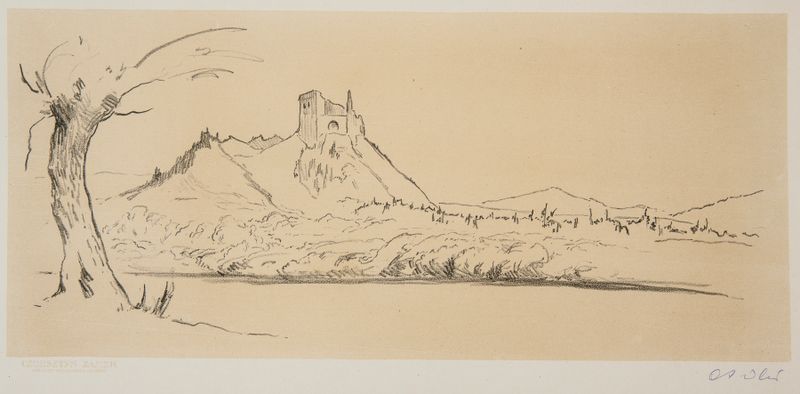
Czorsztyn – Zamek
Andrzej Zygmunt Oleś
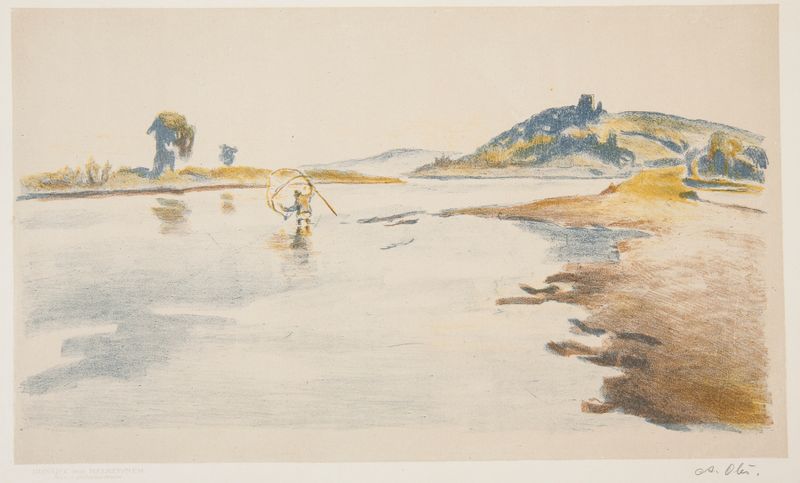
Dunajec pod Melsztynem
Andrzej Zygmunt Oleś
Polskie zamki i dworki – cover
Andrzej Zygmunt Oleś
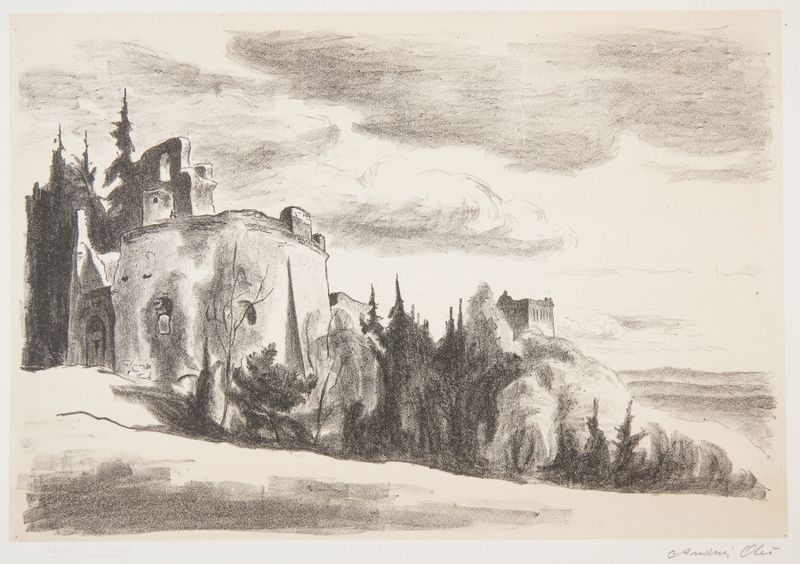
Tęczyn – Zamek
Andrzej Zygmunt Oleś
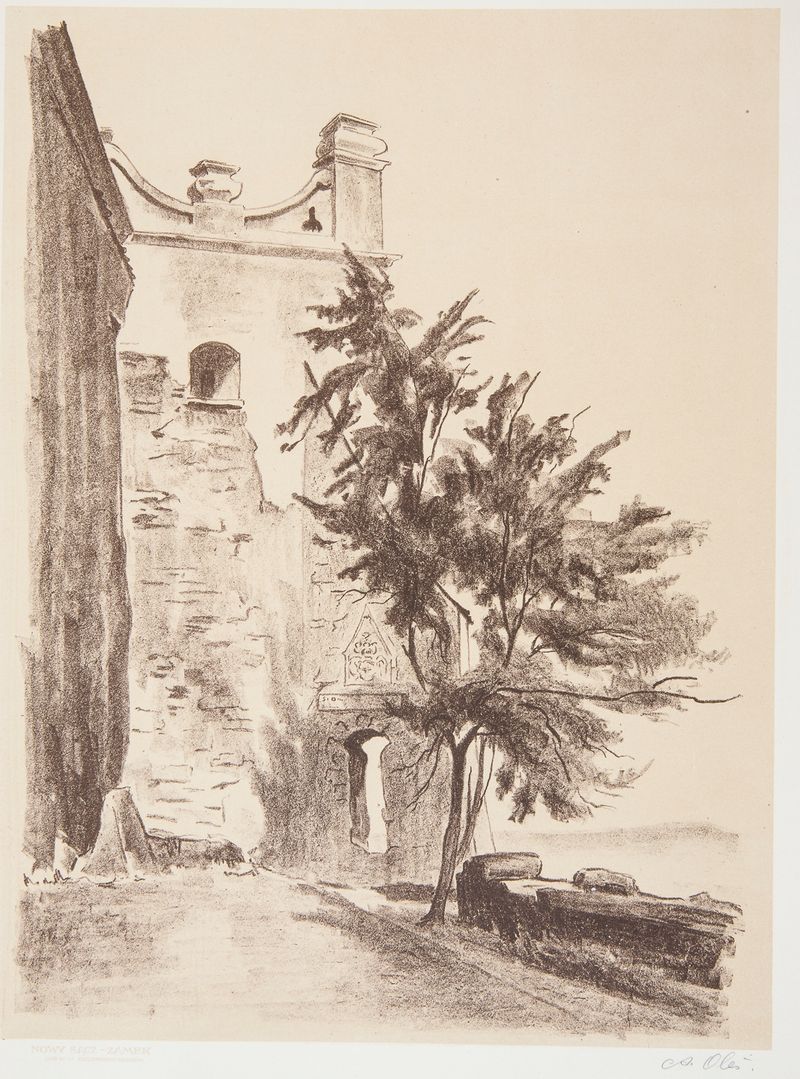
Nowy Sącz – Zamek
Andrzej Zygmunt Oleś
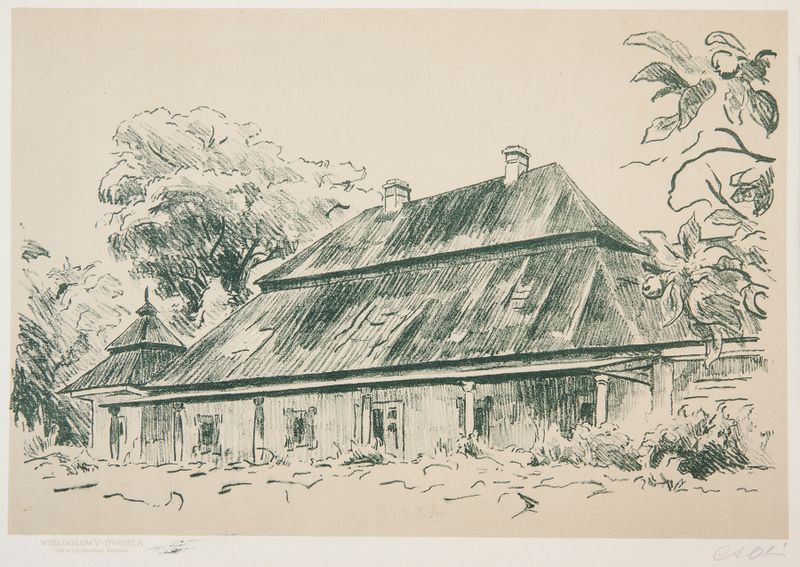
Wielogłowy – Dworek
Andrzej Zygmunt Oleś
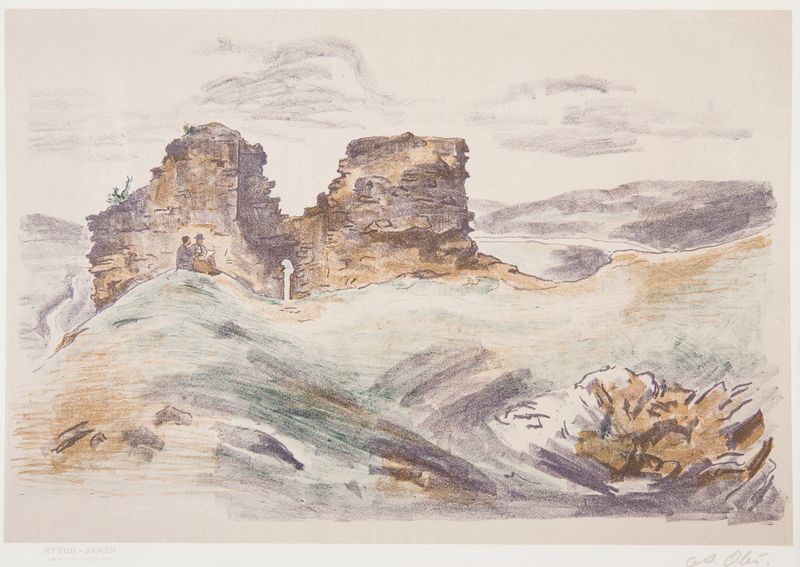
Rytro – Zamek
Andrzej Zygmunt Oleś
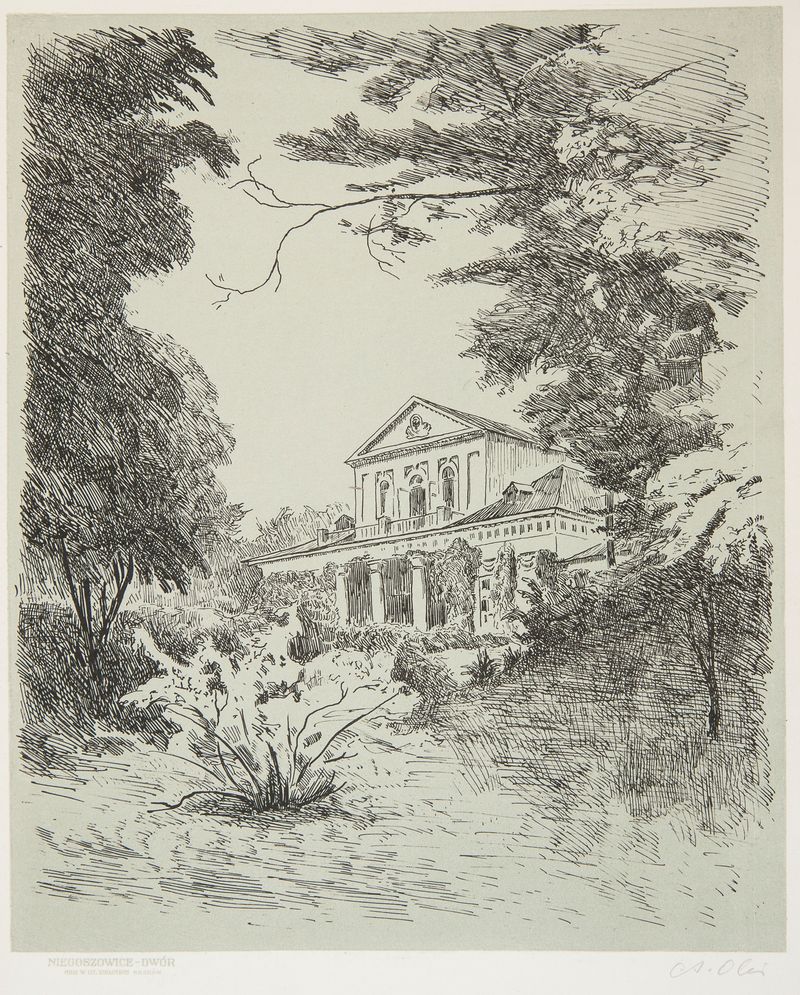
Niegoszowice – Dwór
Andrzej Zygmunt Oleś
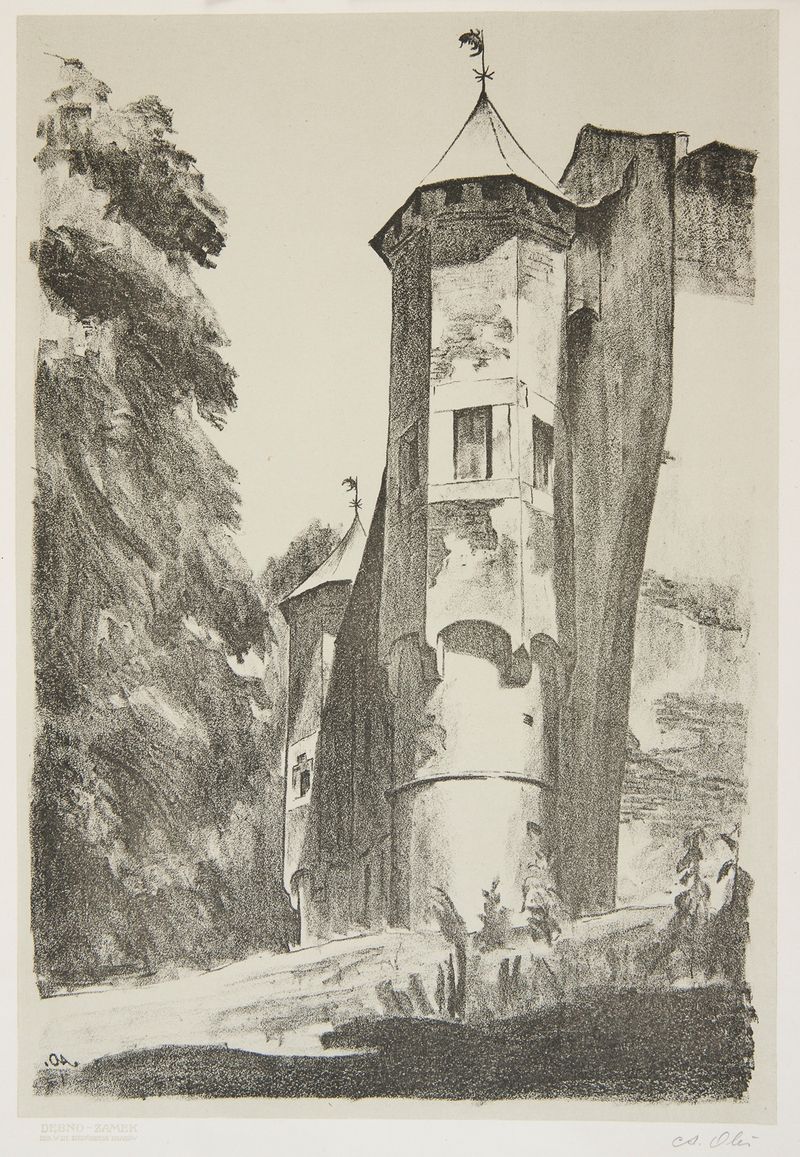
Dębno – Zamek
Andrzej Zygmunt Oleś

Niedzica – Zamek
Andrzej Zygmunt Oleś
More Architecture Art
Browse all →
The statue of Liberty
Frédéric Auguste Bartholdi

View of Houses in Delft, Known as ‘The Little Street’
Johannes Vermeer

View of Houses in Delft, Known as ‘The Little Street’
Johannes Vermeer

The Cathedral in Rouen. The portal, Grey Weather
Claude Monet

The yellow house
Vincent van Gogh

The Church in Auvers-sur-Oise, View from the Chevet
Vincent van Gogh