Winsted, Connecticut — History & Facts
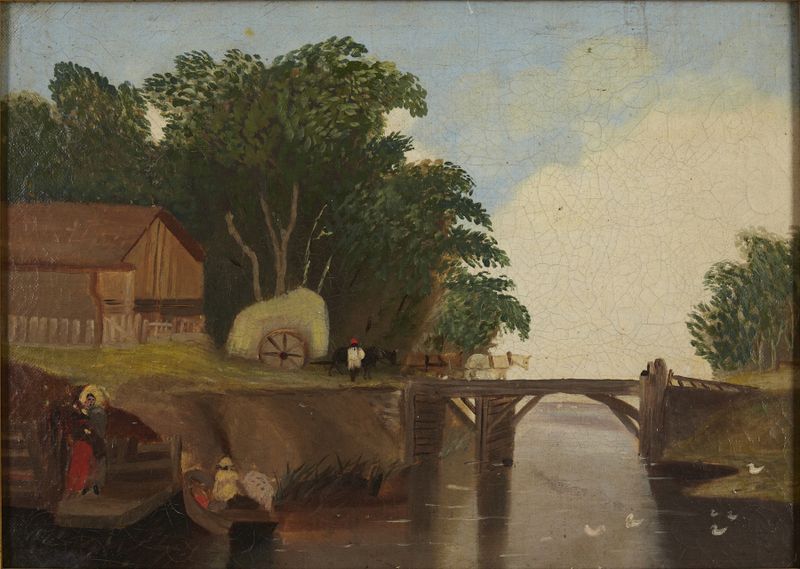
Where does light end, and longing begin? In the delicate interplay of illumination and shadow lies the essence of fragility, a reflection of both nature and the human experience. Focus first on the luminous sky that envelops the scene, where soft hues of orange and pink blend seamlessly into the cool blues of twilight. The artist’s brushstrokes capture the fleeting moment day yields to night, inviting the viewer to bask in its ephemeral beauty. Notice how the trees stand sentinel along the water’s edge, their dark forms contrasting with the ethereal glow above, creating a visual tension that speaks to both tranquility and wistfulness. In the gentle ripples of the water, a sense of yearning resides.
The reflections are not merely a mirror of the landscape but an echo of emotions stirred beneath the surface. Each stroke imbues the scene with a sense of transience, as if the moment might dissolve into the night at any second. The balance between light and shadow becomes a narrative of vulnerability, suggesting that beauty is often laced with a sense of impermanence. Created in 1877 during her time in Winsted, Connecticut, the artist was navigating both personal and artistic transformations.
Emerging as a significant figure in American landscape painting, she sought to capture the shifting light and atmospheric qualities of her surroundings. This period was marked by a growing appreciation for natural beauty and the romantic ideals of the time, as artists increasingly turned to the American landscape for inspiration.