
Winter Glow — History & Facts
Can paint confess what words never could? In Winter Glow, a serene silence envelops the scene, inviting viewers to ponder the mysteries captured within its icy embrace. Shadows dance across the snow, whispering secrets of the landscape that are both haunting and beautiful. Look to the center where soft, ambient light filters through the trees, illuminating the delicate frost that clings to the branches. The play of light and shadow is masterfully rendered, creating a sense of depth that draws the eye toward the horizon.
Notice how the cool blues and whites of the snow contrast with the warm golden hues emerging from the sunset, evoking a feeling of hope amidst the chill. Delve deeper into the interplay of light and shadow — they are not merely decorative but crucial to the emotional resonance of the piece. The shadows suggest an underlying tension, hinting at the frigid solitude of winter while the glow offers a promise of warmth and comfort. This duality reflects the artist's intimate understanding of nature, capturing both its starkness and its serenity. In 1892, during a period when American art was transitioning, the artist painted this work in the Hudson Valley, an area renowned for its enchanting winter landscapes.
Palmer was influenced by the tonal qualities of Impressionism while remaining committed to the detailed realism of earlier traditions. This context informs Winter Glow, illustrating his quest to convey the ephemeral beauty of nature as well as his own reflections on light and shadow.
More Artworks by Walter Launt Palmer
Browse all →
Winter Stream
Walter Launt Palmer

Oaks in Winter (Snow in November)
Walter Launt Palmer
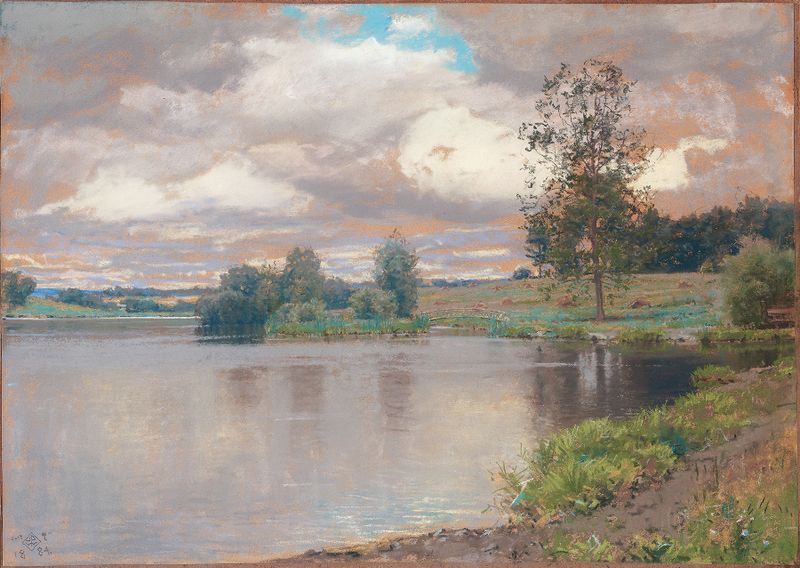
Lake at Appledale
Walter Launt Palmer
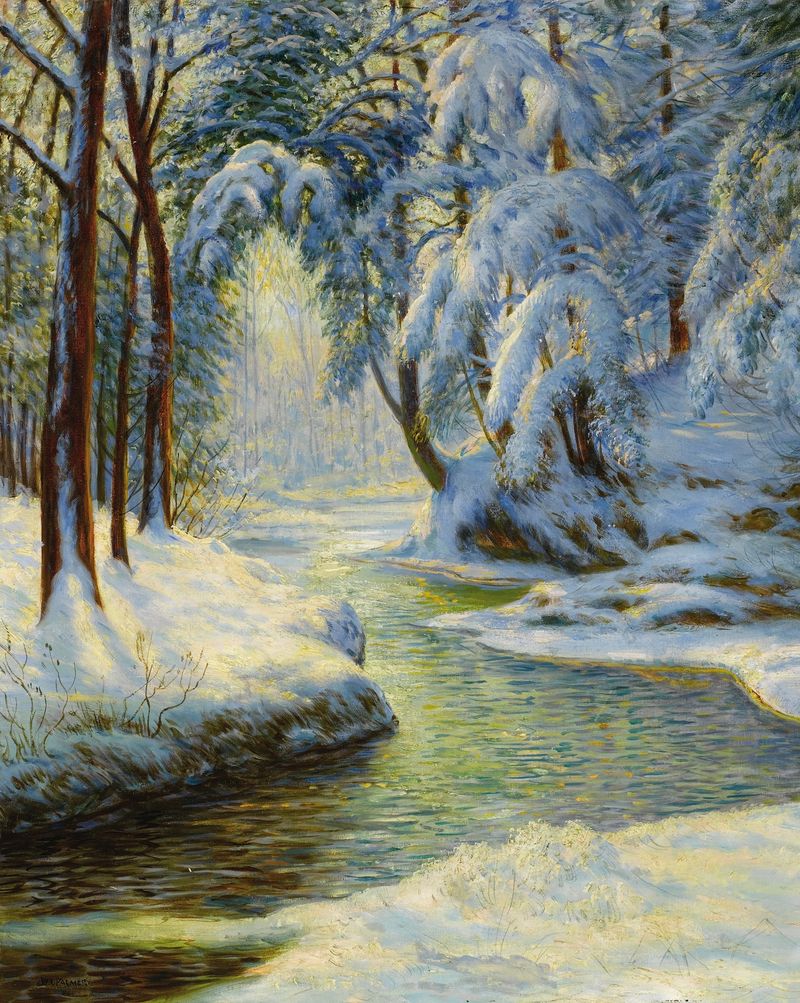
Winter Landscape
Walter Launt Palmer
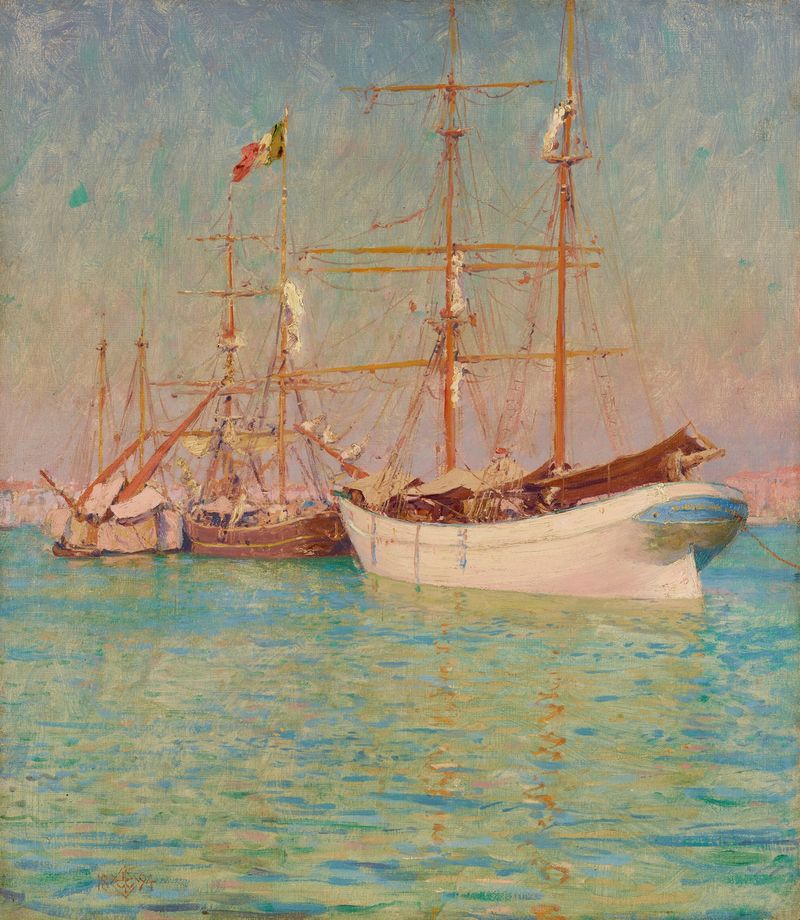
Venice
Walter Launt Palmer

At Sunrise
Walter Launt Palmer

Upland Stream
Walter Launt Palmer

Upland Stream, Mohawk Valley
Walter Launt Palmer

In the Glen
Walter Launt Palmer
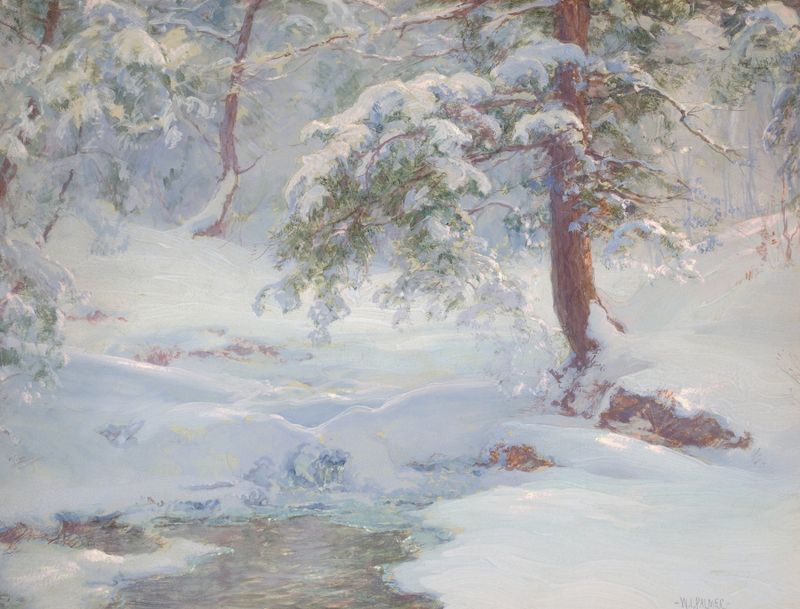
A Winter Idyll
Walter Launt Palmer





