Winter in Ladis (Tirol) — History & Facts
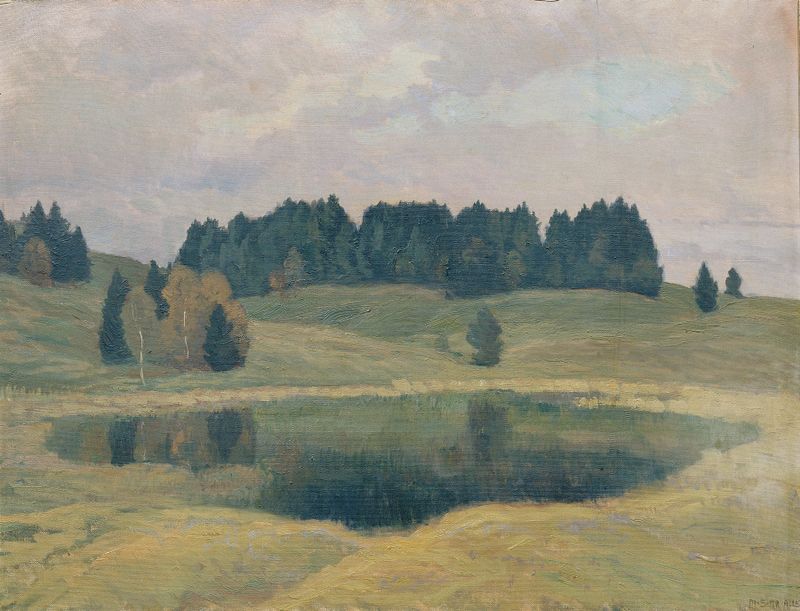
In the stillness of a winter's day, emptiness speaks volumes, inviting us to ponder the delicate balance between desolation and beauty. Focus on the tranquil expanse of snow that blankets the landscape, stretching across the canvas like a soft whisper. Notice how the subtle blues and whites meld seamlessly, creating a serene atmosphere. The stark geometry of the distant mountains stands in quiet contrast to the gentle swirls of the foreground, suggesting a harmony between nature's harshness and its tender moments.
Each brushstroke forms a testament to the artist's skill and emotional resonance, drawing the viewer deeper into this wintry scene. Yet within this apparent calm lies a poignant tension. The bare trees, stripped of their leaves, evoke a sense of solitude, while the distant peaks loom like silent guardians, watching over the quiet. The interplay of light and shadow captures a fleeting moment in time—an invitation to reflect on the essence of existence and the beauty found in simplicity.
This haunting emptiness compels us to confront our own feelings of isolation and stillness. In 1925, Mathilde Sitta-Allé created this work amid the post-World War I era, a time when the art world was grappling with new forms of expression against a backdrop of recovering societies. Living in Austria, she was influenced by the surrounding landscapes and the emotional weight of her experiences, channeling both into Winter in Ladis (Tirol). This piece reflects her unique perspective—melding traditional techniques with modern sensibilities, ultimately capturing the stark beauty of winter's embrace.