Winter in the Kempen — History & Facts
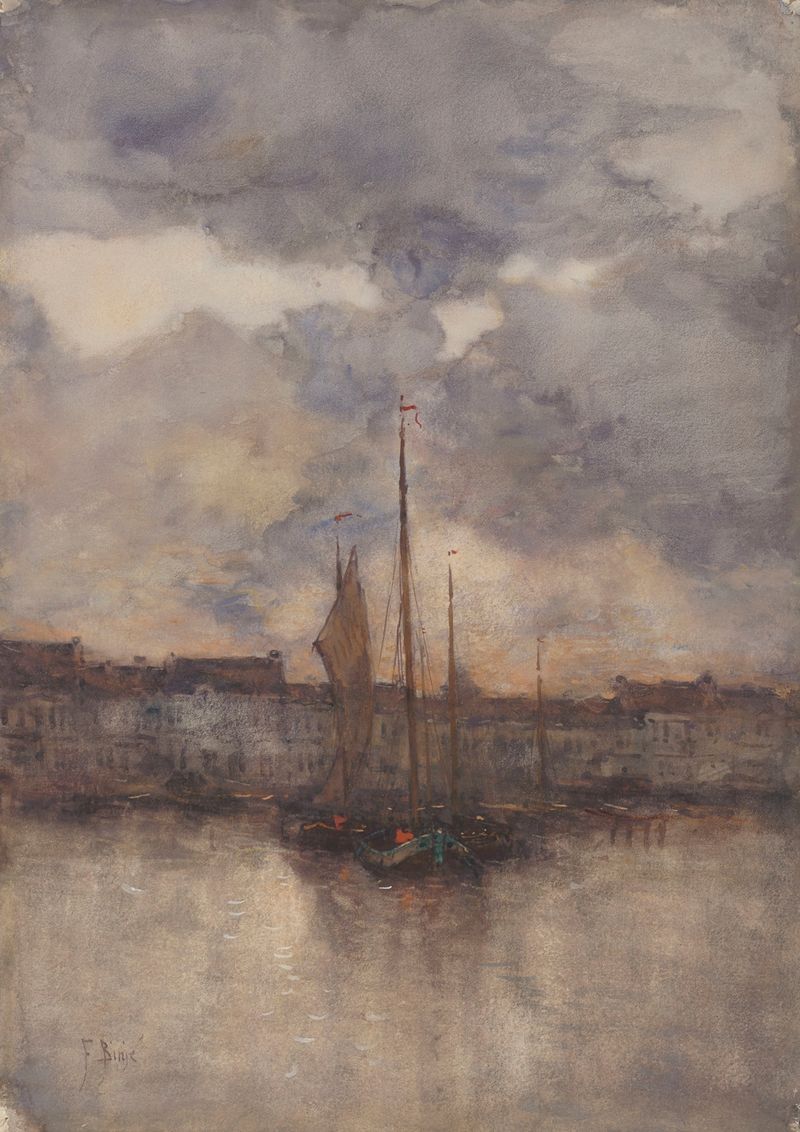
Could a single brushstroke hold eternity? In Winter in the Kempen, the essence of the season captures a fleeting moment, inviting contemplation and awakening within the viewer. Focus on the muted palette that envelops the canvas. The cool blues and whites blend seamlessly, creating a soft, atmospheric haze. The viewer's eye is drawn first to the horizon, where the delicate outlines of frost-covered trees emerge, their branches intricately detailed against a backdrop of luminous sky.
Notice how the painter employs light, allowing it to dance through the layers, breathing life into the wintry landscape while grounding it in a serene stillness. Beneath the surface, this artwork speaks to the contrasts of existence. The harsh cold is juxtaposed with the warmth of a hidden sun, symbolizing hope amidst the desolation of winter. The intricate textures of the snow hint at both fragility and resilience, echoing the silent narratives of nature's cycles.
Each brushstroke whispers tales of solitude, yet also captures a shared awakening, as if the landscape itself is poised for renewal. Frantz Binjé painted this piece in 1889 during a period marked by a burgeoning interest in capturing natural beauty through impressionistic techniques. Living in Belgium, he was influenced by the region's seasonal changes and contemporary art movements that emphasized the emotive power of color and light. The work reflects his personal journey as an artist and the broader evolution of landscape painting, celebrating both the intricacies of nature and the emotional responses they evoke.