
Winter Landscape — History & Facts
Could a single brushstroke hold eternity? In Winter Landscape, Felicián Moczik captures the essence of a season that embraces both desolation and beauty, inviting the viewer into a world where obsession meets tranquility. Look to the foreground where delicate snow blankets the ground, each stroke of white interwoven with shades of blue and gray. The meandering path, faintly visible, draws the eye deeper into the composition, where barren trees rise stark against the pale sky. Notice how the light filters through the branches, casting minute shadows that dance with the contours of the snow.
The subtle gradations of color not only depict winter's chill but evoke a sense of stillness that permeates the scene. As you linger, consider the contrasts present: the deathly quiet of the landscape juxtaposed with the warmth of the earth beneath the snow. Each tree, stripped bare, becomes a testament to resilience amidst hardship, while the gentle curves of the path suggest a journey—perhaps one of introspection or longing. These details whisper of an emotional tension that binds the viewer to the artist's very obsession with capturing transient moments of beauty. In 1911, during a time when Moczik was immersed in the burgeoning art scene of Prague, he unearthed his distinctive style through a blend of Impressionism and realism.
This painting emerged amidst Europe’s evolving artistic landscape, as artists began to explore the interplay of light, emotion, and the natural world. Moczik's focus on winter not only reflects his personal connection to the landscape but also encapsulates a broader exploration of existence during an era of profound change.
More Artworks by Felicián Moczik
Browse all →
Landscape with Pond
Felicián Moczik
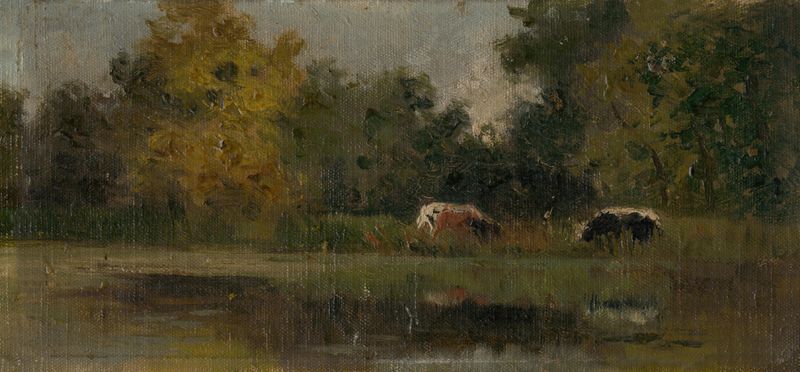
In the Pasture
Felicián Moczik
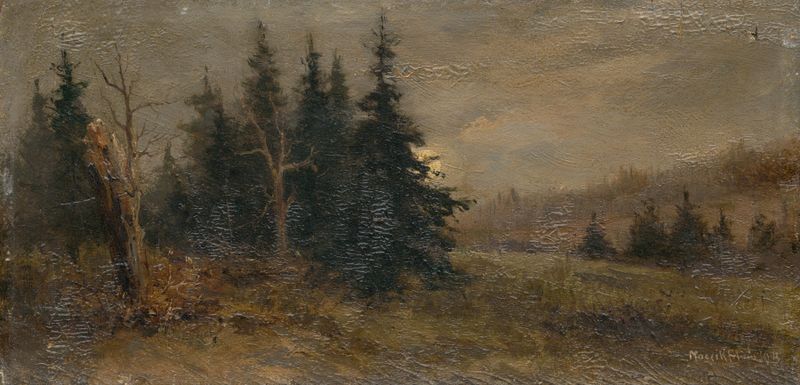
Forest Landscape
Felicián Moczik
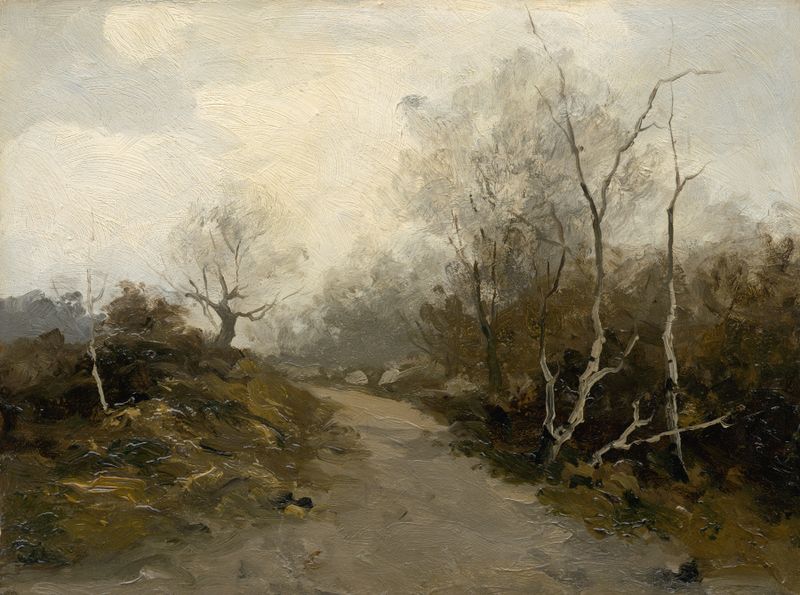
Forest Road
Felicián Moczik

Landscape with a Pond
Felicián Moczik

Early Spring
Felicián Moczik

Early Spring
Felicián Moczik
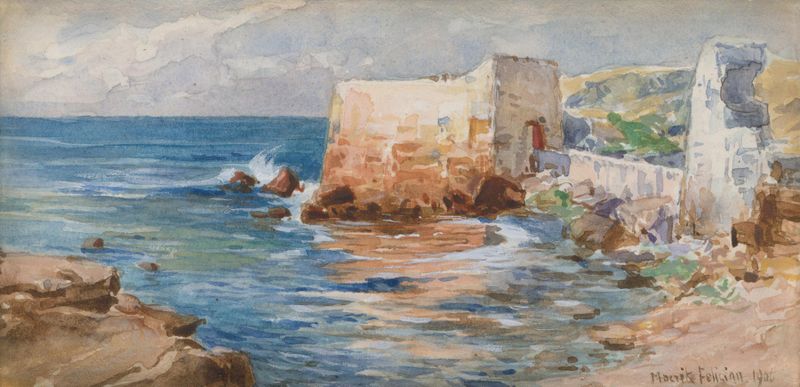
Fortress by the Sea
Felicián Moczik

By the Brook
Felicián Moczik

From the West Slovak Village
Felicián Moczik





