Winter Landscape in the Sun — History & Facts
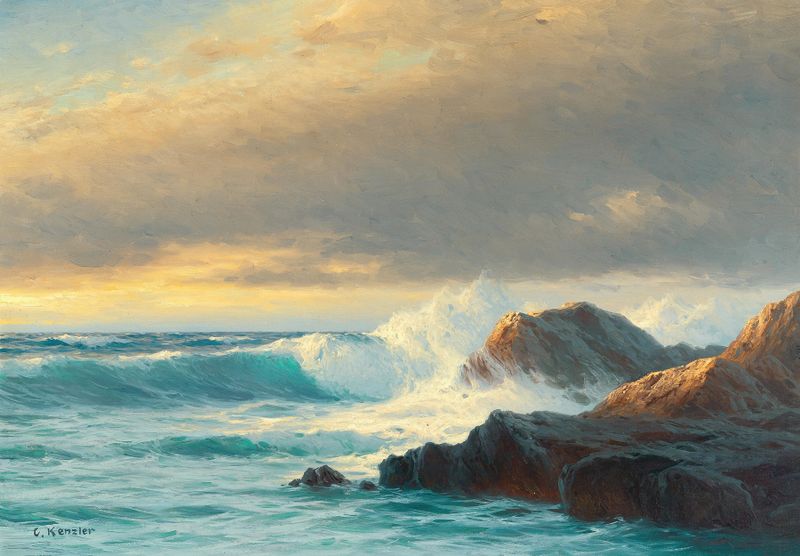
What secret hides in the quiet of the canvas? Beneath the serene beauty of snow-blanketed hills lies an unsettling tension, whispering of a past steeped in violence and conflict. Look to the left at the gentle slope of the landscape, where the white snow sparkles under the sun's warm embrace. Notice how the artist's brush strokes create a soft texture, evoking a sense of tranquility yet concealing the harshness of winter's bite. The interplay of light and shadow reveals trees standing sentinel, their skeletal branches reaching out with an eerie grace, suggesting both resilience and the remnants of life once lost. Delve deeper, and you’ll find the contrast between the idyllic scenery and the unsettling undertones.
The sunlit snow presents an illusion of peace, while the dark shadows beneath the trees hint at the violence of winter storms that lay buried beneath the surface. The silence feels heavy, as if the landscape is holding its breath, waiting for a crack to shatter the stillness, revealing the turmoil hidden within its beauty. In this undefined moment, produced by an artist whose life is draped in mystery, the landscape reflects the broader art movements of the time, where romanticism often interplayed with themes of nature’s ferocity. While Carl Kenzler's precise circumstances are less documented, the work emerges from an era grappling with industrial change, where nature's tranquility could mask the violence of human progress.
This piece stands as a testament to the duality of beauty and chaos, waiting for viewers to engage with its profound depths.