
Winter Night in a Forest — History & Facts
In the hush of a winter night, the heart's quiet yearning resonates through the stillness of a snowy landscape. Here, the chill of the air carries a deep sense of longing, as if the forest itself is a witness to unspoken desires and unfulfilled dreams. Look to the bottom right where the shadowy silhouettes of trees rise like guardians, their branches heavy with the weight of snow. The palette of muted blues and grays presents a world wrapped in silence, while soft glimmers of moonlight flicker through the canopy, illuminating patches of frost-laden ground.
These delicate contrasts evoke both isolation and peace, drawing the viewer’s eye across the expansive, tranquil scene. The tension in this work lies in its paradoxes—beauty and loneliness coexist within the icy tranquility. The stark branches, reaching outwards, suggest a desire for connection amidst the solitude. Each patch of light represents hope, while the enveloping darkness symbolizes the unknown, inviting contemplation on one’s place in the world.
The painting becomes a mirror reflecting the viewer’s own inner longings, evoking emotions that linger long after the gaze has moved on. In 1853, the artist was entrenched in the Romantic movement, painting Winter Night in a Forest during a time of personal reflection and artistic evolution in Denmark. The period was marked by a growing emphasis on nature and emotional expression in art, as well as a search for identity amidst social change. Kyhn's work captures the essence of this moment, intertwining his personal introspection with the broader currents of the art world.
More Artworks by Vilhelm Kyhn
Browse all →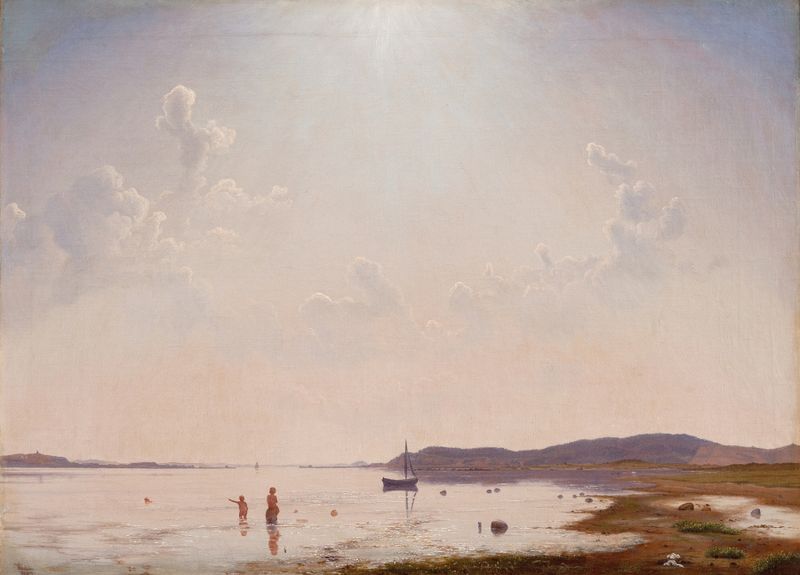
View of Roskilde Fjord near Frederikssund, Zealand
Vilhelm Kyhn
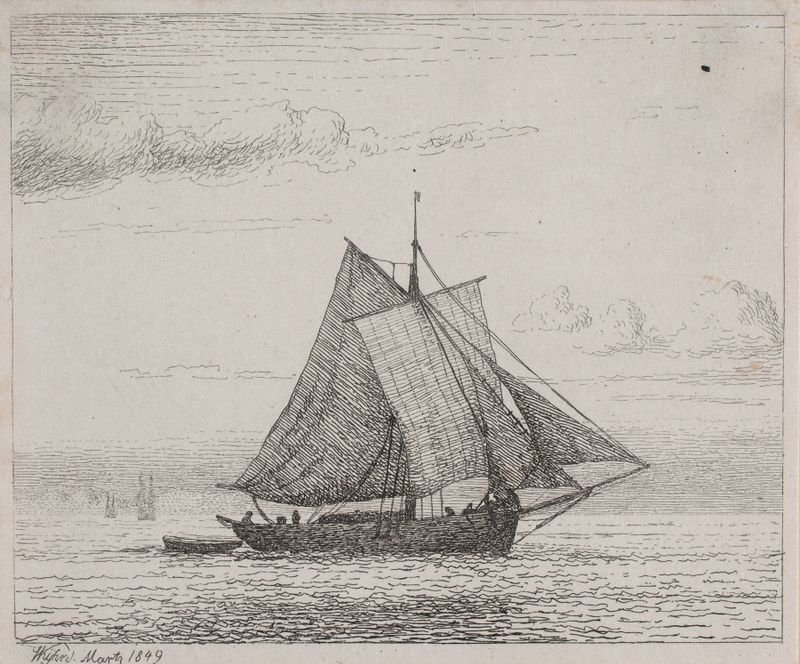
En jagt
Vilhelm Kyhn

Landscape near the Forest Nordskoven, Jægerspris, Zealand
Vilhelm Kyhn

Marklandskab med en bro
Vilhelm Kyhn

Sjællands nordkyst med udsigt til Kronborg
Vilhelm Kyhn
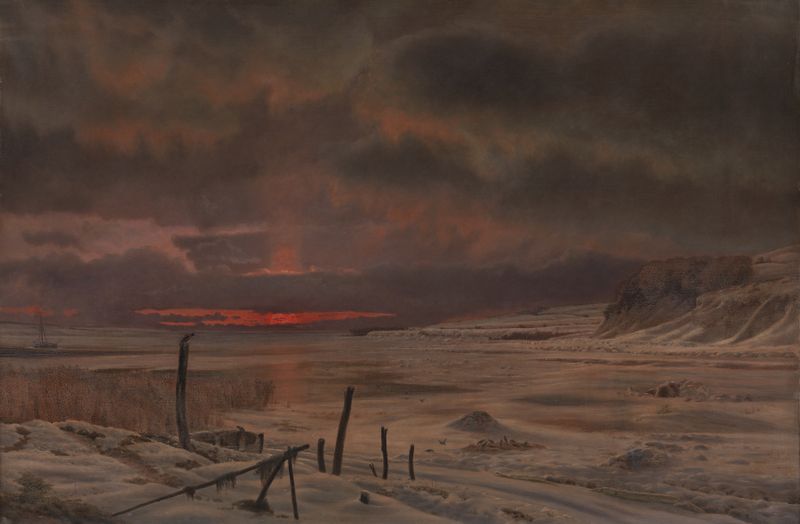
A Winter’s Evening by a Danish Fiord
Vilhelm Kyhn
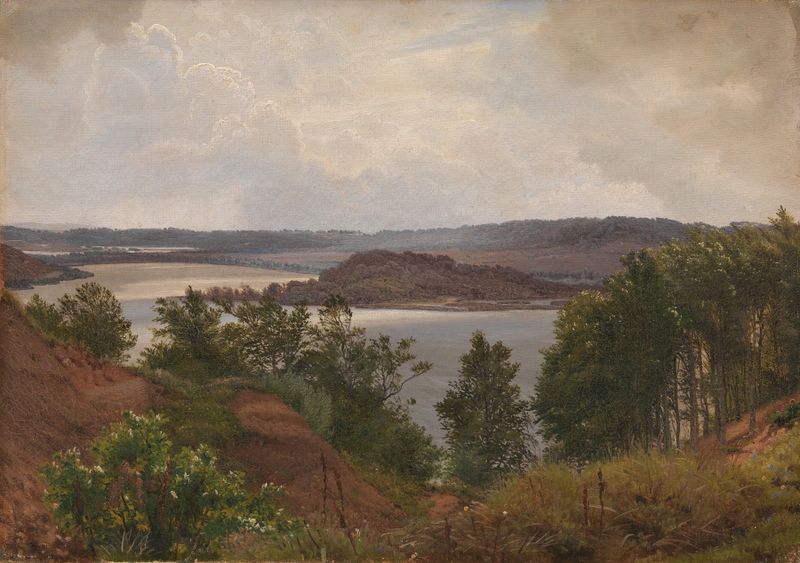
The Lakes at Laven near Silkeborg
Vilhelm Kyhn
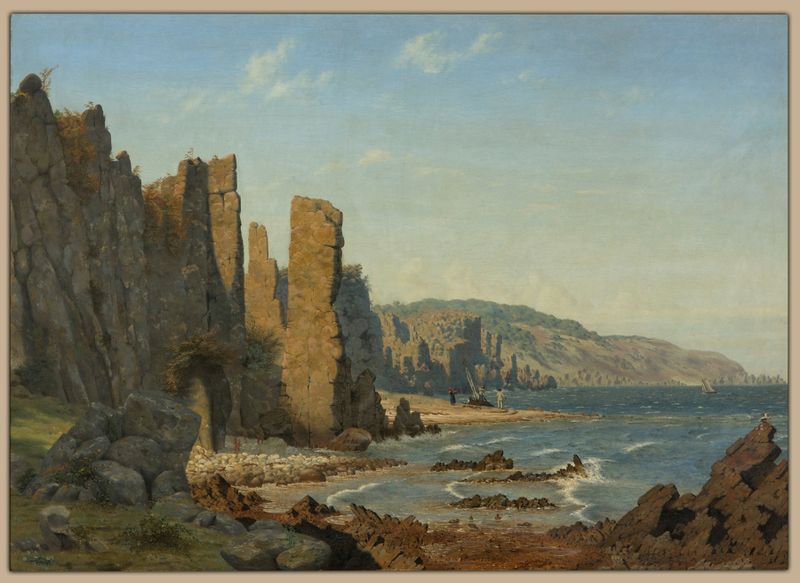
Beach formation on Bornholm. Scene from Rø
Vilhelm Kyhn
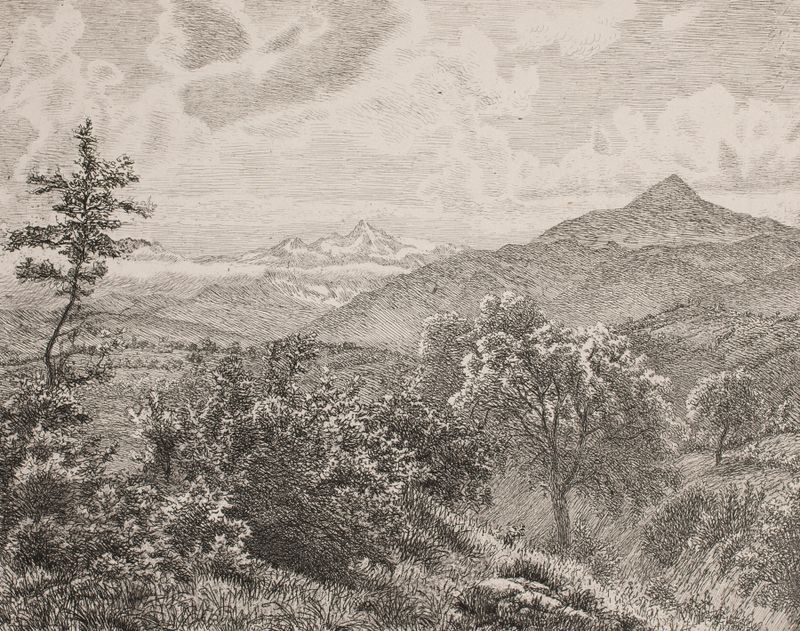
Højfjeldslandskab
Vilhelm Kyhn
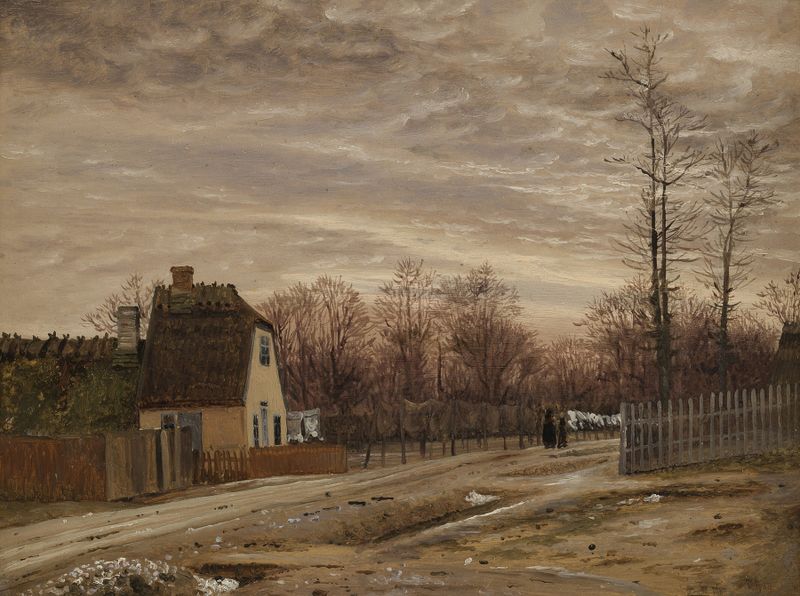
Evening after a Thaw. Taabæk, North of Copenhagen
Vilhelm Kyhn





