Wit linnen pellen servet — History & Facts
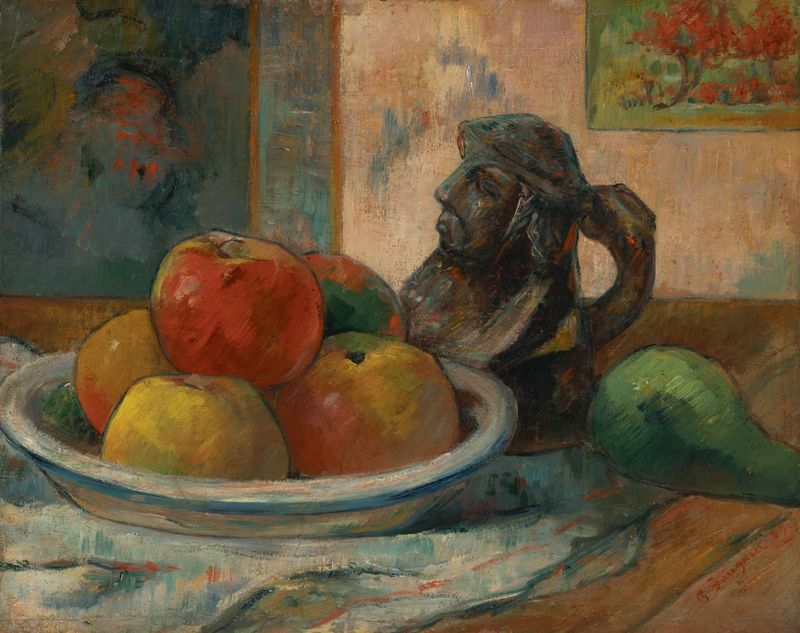
Who listens when art speaks of silence? In Wit linnen pellen servet, the unassuming stillness holds a whisper of movement, inviting contemplation and the quiet yet profound dialogue between viewer and canvas. Focus on the intricate folds of the linen napkin as they cascade across the table, creating a rhythm that draws your gaze. Notice how the subtle shifts in light dance upon the delicate fabric, revealing a palette of muted colors that suggest both age and care. The careful arrangement of the items—each meticulously placed—reflects a moment frozen in time, yet the slight imbalance hints at life just beyond the frame, where motion once thrived. Beneath the surface lies a meditation on intimacy and the ephemeral nature of everyday life.
The napkin, often overlooked, becomes a symbol of domesticity, a vessel for both utility and beauty. The contrasting textures between the smooth porcelain pieces and the soft fabric evoke a tension between permanence and transience, inviting viewers to ponder what is left unsaid in these quiet moments of existence. This artwork was created between 1600 and 1650 by an unknown artist, likely during a period when still life began to flourish in Europe. Emerging from a time of great social and artistic change, the piece reflects a growing interest in the mundane aspects of life, capturing the elegance of simplicity amidst the complexities of the world in transition.