Wit linnen pellen servet — History & Facts
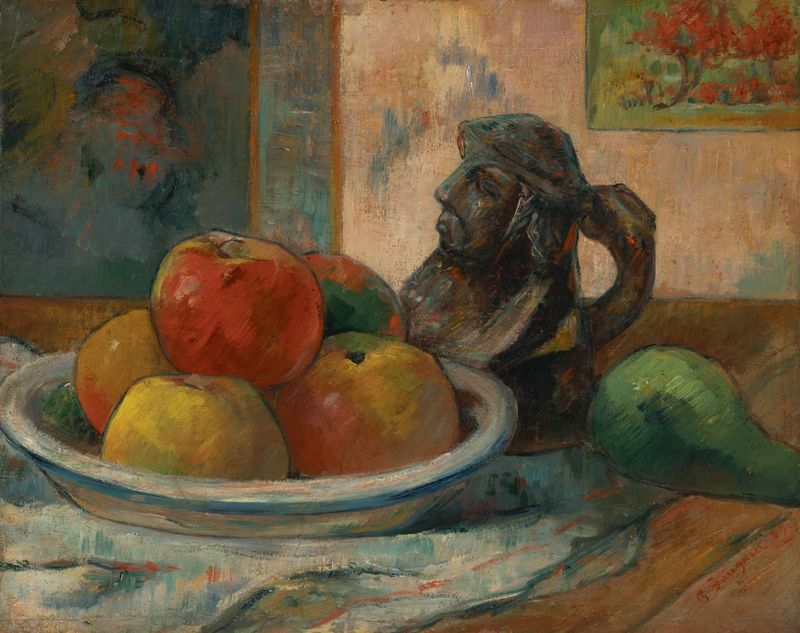
This sentiment echoes within the delicate folds and textures of a still life, where elegance conceals an undercurrent of melancholy. Focus on the intricate details of the linen laid out before you. Notice how the soft, muted tones of the white fabric contrast with the rich, dark background, drawing your eyes to the vibrant, glistening fruits nearby. The artist’s careful brushwork captures the gentle sheen of the surfaces, revealing the play of light as it dances along the edges, inviting you to explore every corner of the composition. Yet, as you delve deeper, the juxtaposition of the ripe fruits and the starkness of the linen evokes a haunting sense of transience.
Each fruit, while beautiful, hints at impending decay, symbolizing the fleeting nature of happiness. The careful arrangement suggests an underlying tension, a balance between abundance and loss, where beauty coexists with sorrow. Created between 1690 and 1710, this piece emerges from a period when still lifes were becoming an essential genre in European art, reflecting both wealth and the complexities of existence. The unknown artist, working during this time, may have sought to convey a deeper narrative of life’s fragility through the careful arrangement of ordinary objects, transforming them into a poignant meditation on beauty and impermanence.