Wit linnen pellen servet — History & Facts
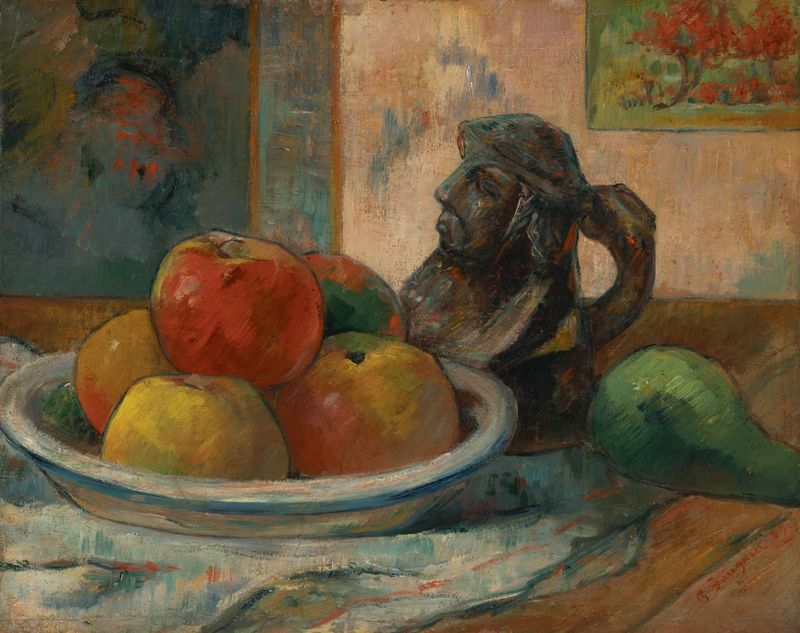
In the stillness of a modest kitchen, an artist captures the unremarkable yet profound act of peeling linen. The mundane transforms into a moment of quiet introspection, inviting the viewer to reflect on the subtle layers of isolation woven into daily life. Look to the lower right where the meticulously rendered linen lies, its texture almost palpable. The soft, muted tones of cream and white contrast with the deep, shadowy background, creating a sense of depth and intimacy.
Observe how the light filters in, illuminating the subject's delicate fingers as they work, every detail painstakingly crafted to draw you closer into this world. The composition centers on the act itself, an invitation to witness something both ordinary and intimate. Beneath the surface of this seemingly simple scene lies a whisper of loneliness. The solitary figure, so engrossed in the task, evokes a sense of isolation that resonates beyond the canvas.
This moment, devoid of any other presence, speaks to the quiet grace found in solitude—the duality of domestic life, where moments of purposeful activity coexist with profound silence. The peeling of linen becomes a metaphor for shedding layers, perhaps reflecting the universal human experience of longing for connection amid the quiet routine of life. Created between 1660 and 1700, this painting emerges from a period marked by shifting artistic movements and a growing interest in everyday subjects. The artist, whose identity is lost to time, was likely influenced by the emerging trends of realism, capturing life with honesty and depth.
During this era, many sought solace in the familiar, allowing such works to resonate deeply within a society grappling with its own complexities and emotional landscapes.