Wit linnen pellen servet — History & Facts
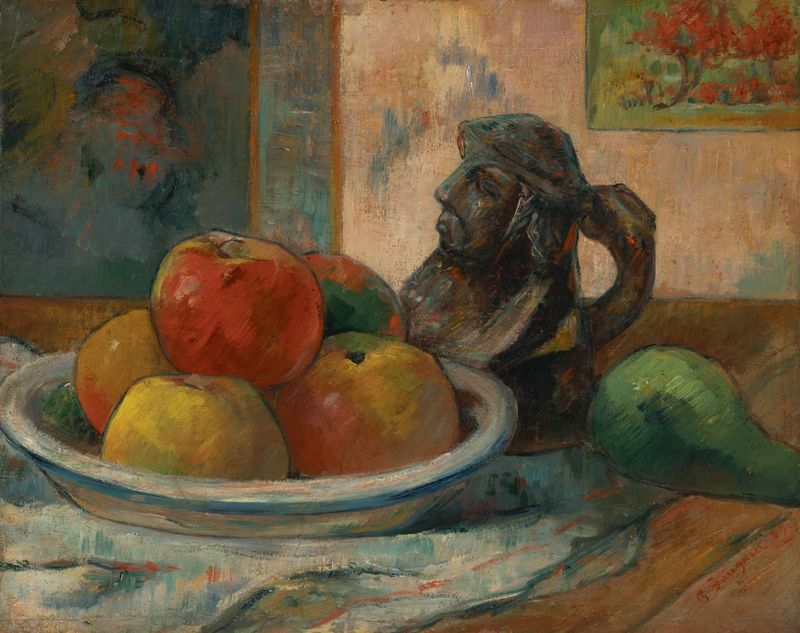
Can beauty exist without sorrow? This question weaves through the delicate lines and textures of the painting, as it invites the viewer to meditate on the interplay of joy and melancholy in everyday life. Focus your gaze on the intricate details of the white linen, where the artist’s meticulous brushwork captures the fabric’s soft folds and shimmering highlights. Notice how the light dances across the surface, illuminating the subtle variations in hue that breathe life into an otherwise still composition. The object’s placement against a muted backdrop further emphasizes its presence, creating a stark contrast that draws you in, urging you to consider the narrative woven into this simple scene. As you delve deeper, the illusion of the linen becomes a metaphor for the layers of human experience.
The gentle textures suggest comfort and warmth, yet the absence of a human figure introduces a poignant loneliness, as if the fabric yearns for touch and connection. The interplay of light and shadow not only highlights the beauty of the material but also hints at the transient nature of life—an ephemeral beauty tinged with the inevitability of loss. Created between 1800 and 1850, this painting emerges from a time rich in artistic exploration and innovation. The artist, whose identity remains a mystery, was part of a broader movement that sought to elevate the mundane through art, reflecting a shift in societal values where the intimate and the everyday were increasingly celebrated.
In a world rife with change, this work captures a fleeting moment—an invitation to pause, reflect, and consider the dualities that shape our existence.