Yarilina valley — History & Facts
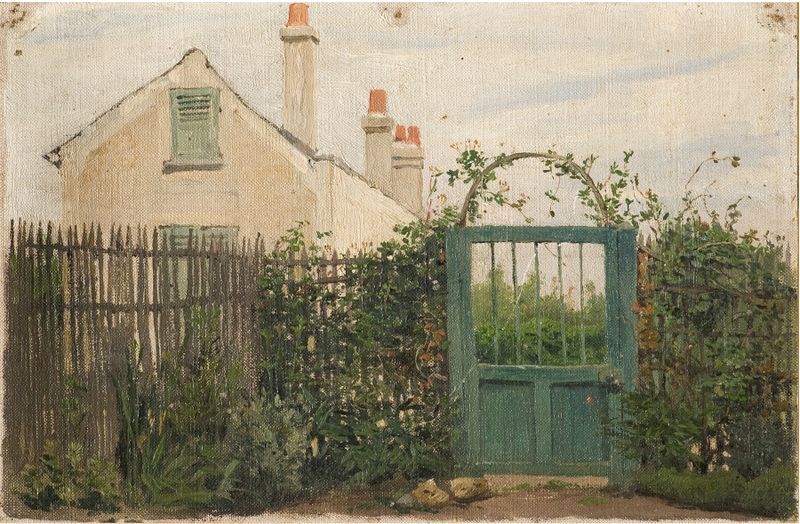
Every brushstroke, every hue embodies the unspoken tensions that linger in the air, inviting contemplation of both beauty and violence. Look to the center of the composition, where the undulating hills cradle a valley bathed in rich greens and browns. Notice how the light dances across the landscape, hinting at the forthcoming drama hidden beneath the serene surface. The artist employs soft, layered brushwork that brings depth to the scene, creating an almost palpable texture, while the subtle interplay of shadow and light suggests an impending storm — a metaphor for the underlying turbulence that defines existence. As you explore further, observe the small yet powerful details: a lone figure at the edge of the valley, standing amidst nature's grandeur, evokes a sense of isolation and vulnerability.
The vibrant colors contrast sharply with the looming, ominous clouds, symbolizing the duality of life — beauty intertwined with the threat of violence. The stillness of the scene is both alluring and disquieting, as if nature itself holds its breath before unleashing chaos. In 1885, during a time of artistic exploration and a resurgence of folk themes in Russian art, the artist found himself at a crossroads. He was deeply inspired by Slavic mythology and national identity, seeking to reflect the spirit of the people through his work.
This period was marked by burgeoning nationalism, and his focus on landscapes like this one captured the raw power and mystique of the Russian terrain, setting a stage for both the sublime and the savage.