Yellow River — History & Facts
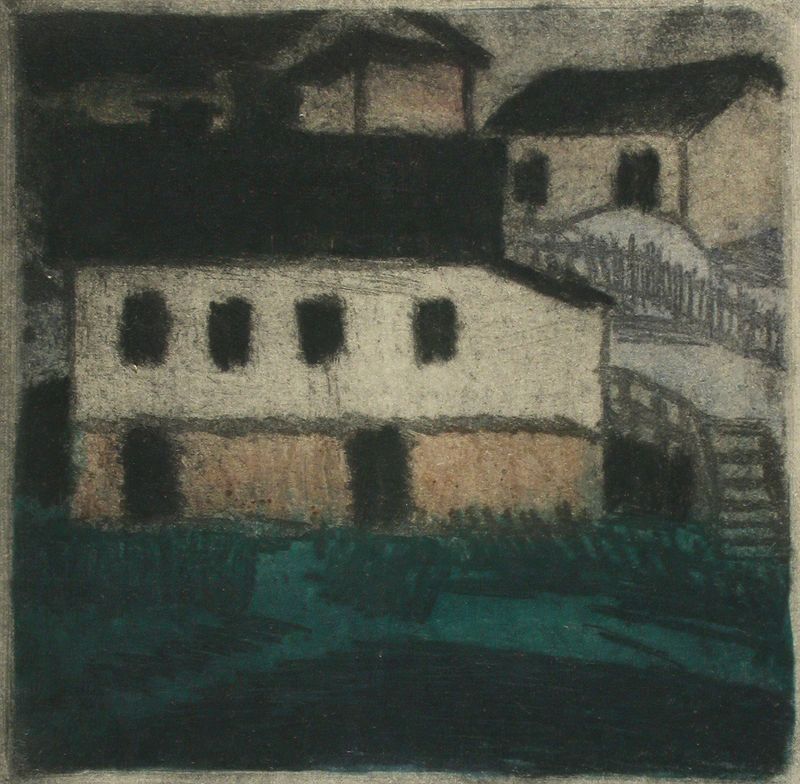
In its stillness, it captures the melancholy of nature and the transient beauty of existence. Each brushstroke is a reminder of the impermanence that defines our lives, evoking a sense of longing and reflection. Look to the left at the vibrant yellows and greens that blend effortlessly, embodying the essence of the river as it winds through the landscape. The swirling patterns create a dynamic sense of movement, while the horizon, painted in soft blues, provides a serene backdrop that contrasts with the energy of the foreground.
The deliberate use of light enhances the water's reflective quality, inviting viewers to immerse themselves in the scene’s emotional depths. Beneath the surface, the painting reveals layers of meaning. The river can symbolize the passage of time, flowing forward yet forever anchored to its banks, a poignant metaphor for life's fleeting moments. The juxtaposition of vivid colors against subdued hues echoes the tension between joy and sorrow, serving as a reminder of the duality present in nature and human experience.
Each element within the composition speaks to the complexity of emotions, allowing viewers to connect deeply with the artwork. In 1920, Alvar Cawén created this piece while living in Finland, a time marked by social and political upheaval. The aftermath of World War I was felt across Europe, and artists like Cawén sought new forms of expression to capture the changing world. This painting emerged amidst a search for identity and meaning in art, reflecting both personal and collective struggles, yet simultaneously celebrating the beauty found in transition and uncertainty.