Zakdoek van kloskant met rechte en gebogen lijnen — History & Facts
What if beauty was never meant to be finished? This lacework piece invites contemplation on the nature of creation and the idea of transformation within art. Look closely at the intricate patterns that dance across the fabric, drawing your gaze to the delicate interplay of straight and curved lines. Notice how the artist employs negative space, allowing the lace to breathe, while the meticulously woven threads create a sense of rhythmic movement. The soft cream color enhances the work's ethereal quality, evoking a sense of fragility and elegance that captures the transient beauty of the material itself. As you explore the edges, consider the contrasts present: the geometric precision of straight lines juxtaposed with the fluidity of curves suggests a dialogue between order and chaos.
Each knot and loop holds a story, a hint of the hands that toiled to bring this piece to life, reminding us that beauty arises from labor and patience. The transformation from raw thread to refined lace symbolizes the journey of creation, inviting deeper reflections on the impermanence of art and life. Created between 1840 and 1850, this exquisite lacework emerges from a period when craftsmanship was highly revered, yet artists often remained unnamed. In the world of textiles, advancements were taking place, elevating lace production to an art form.
The anonymous creator encapsulated the spirit of their time, where intricate handiwork was treasured, yet personal recognition often faded into history.
More Artworks by Unknown Artist
Browse all →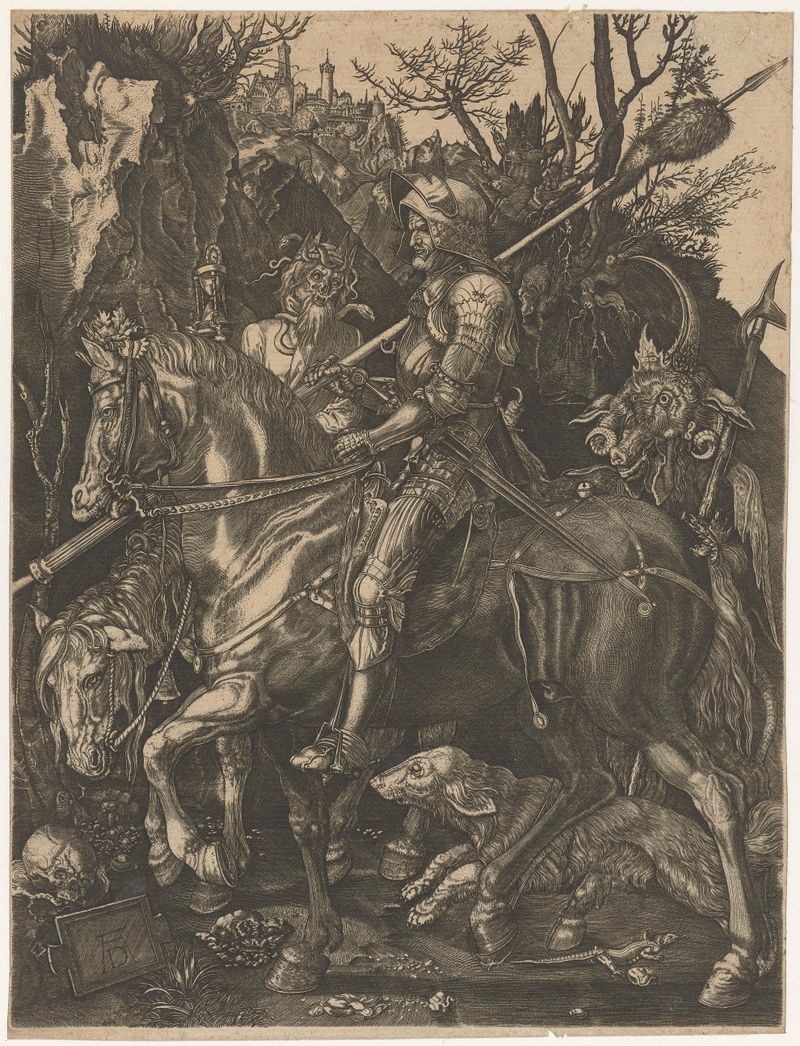
Ridder, Dood en Duivel
Unknown Artist
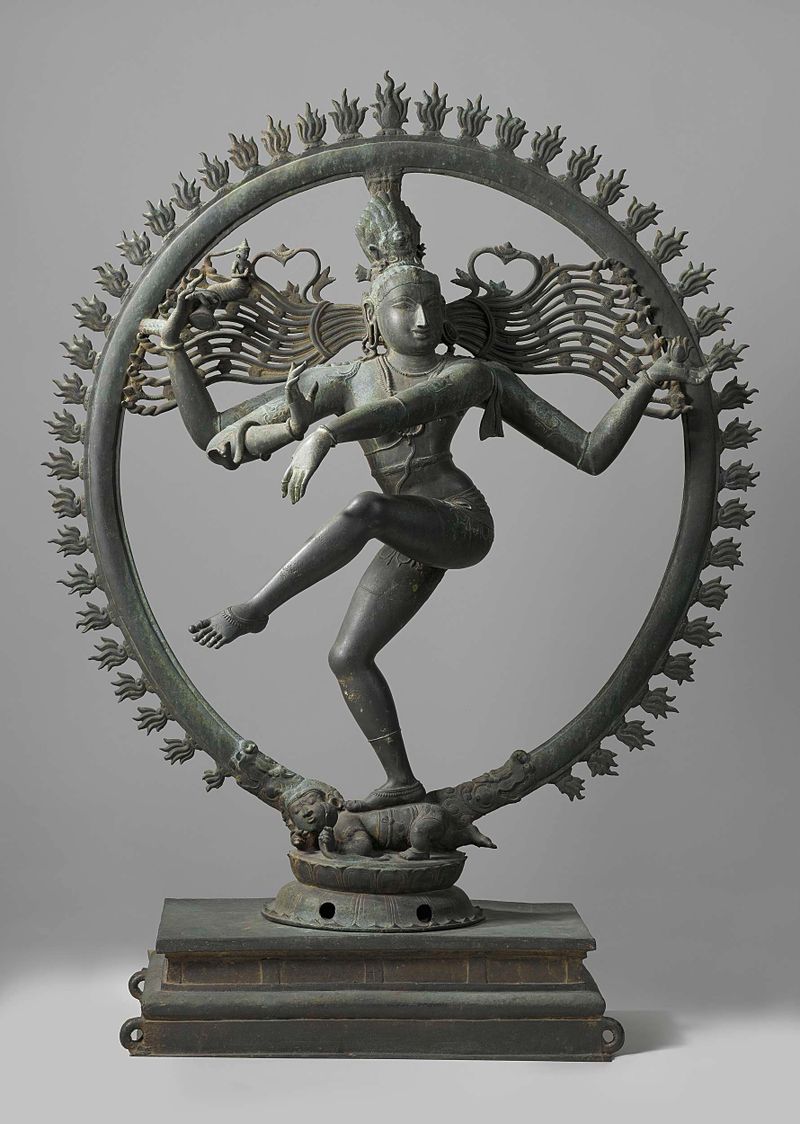
Shiva Nataraja
Unknown Artist
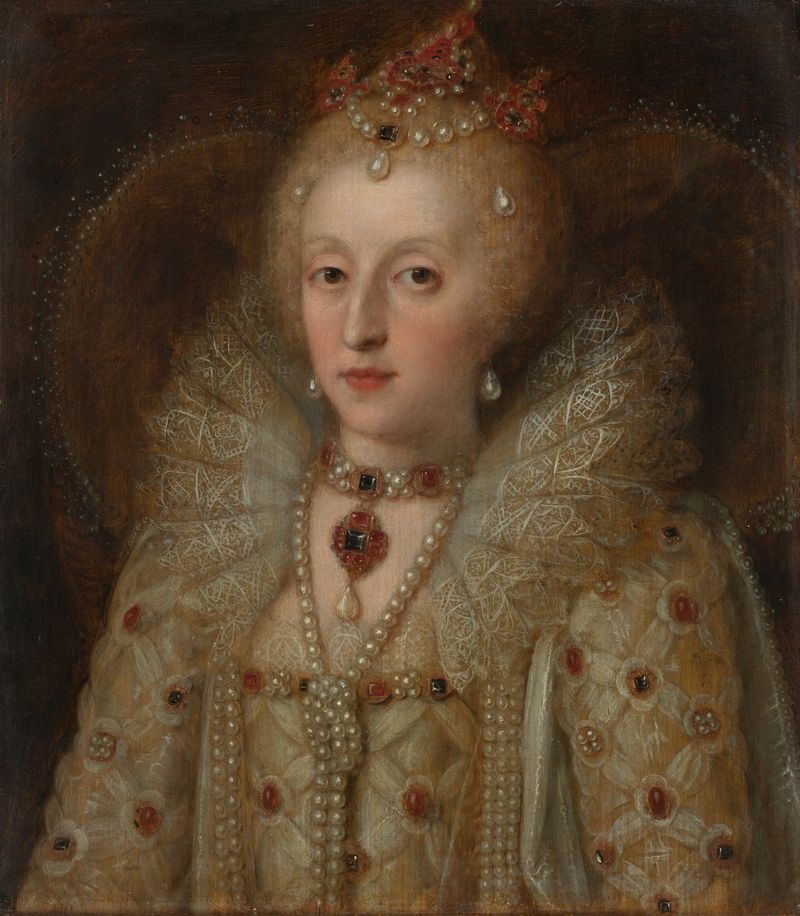
Portrait of Elizabeth I, Queen of England
Unknown Artist
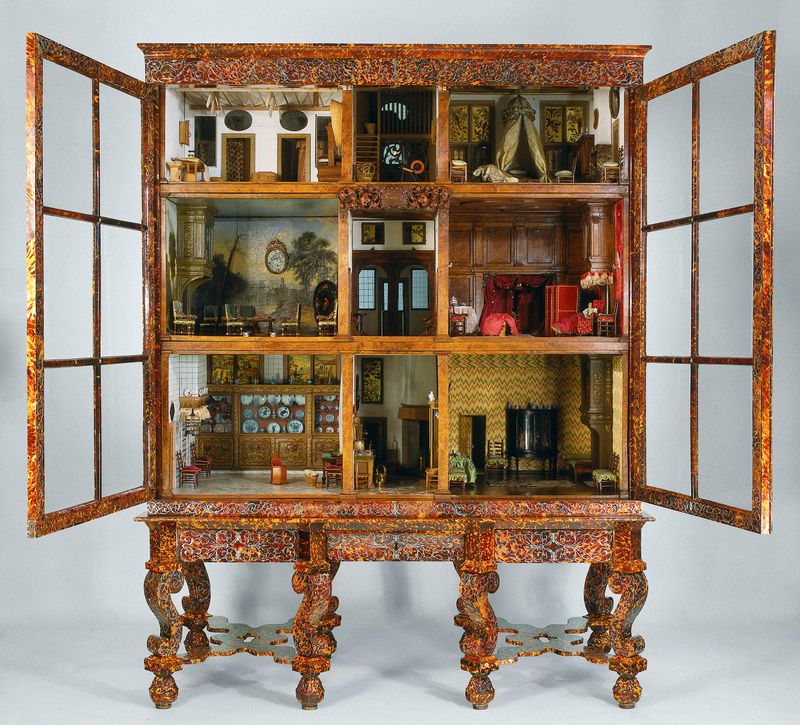
Dolls’ house of Petronella Oortman
Unknown Artist
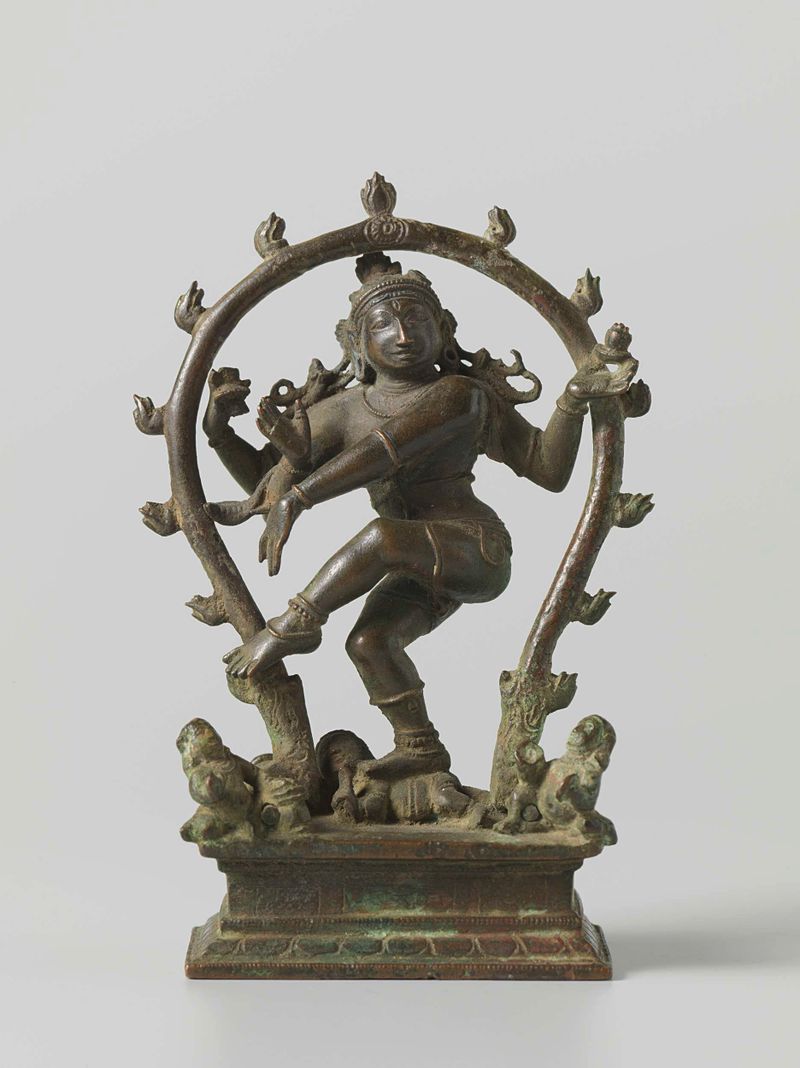
Shiva Nataraja
Unknown Artist

The Tale of Genji
Unknown Artist

The Tale of Genji
Unknown Artist
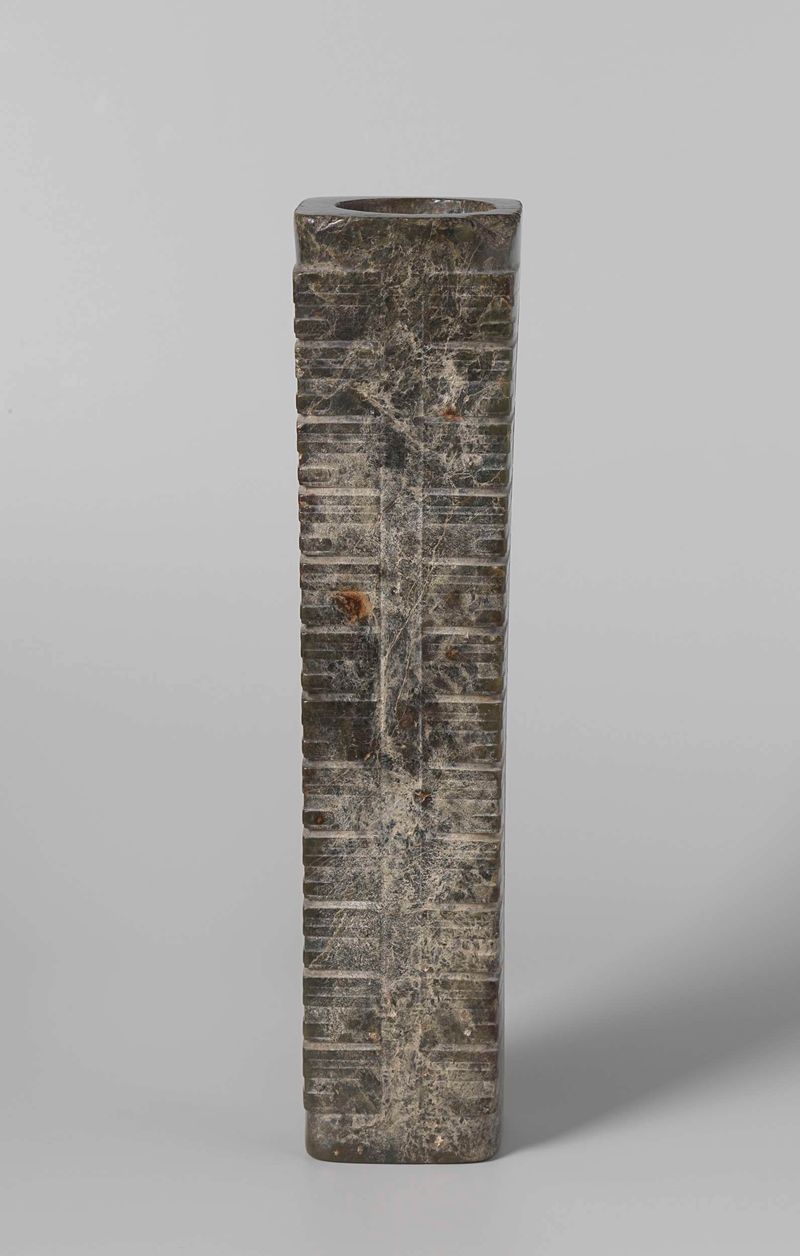
Cong
Unknown Artist
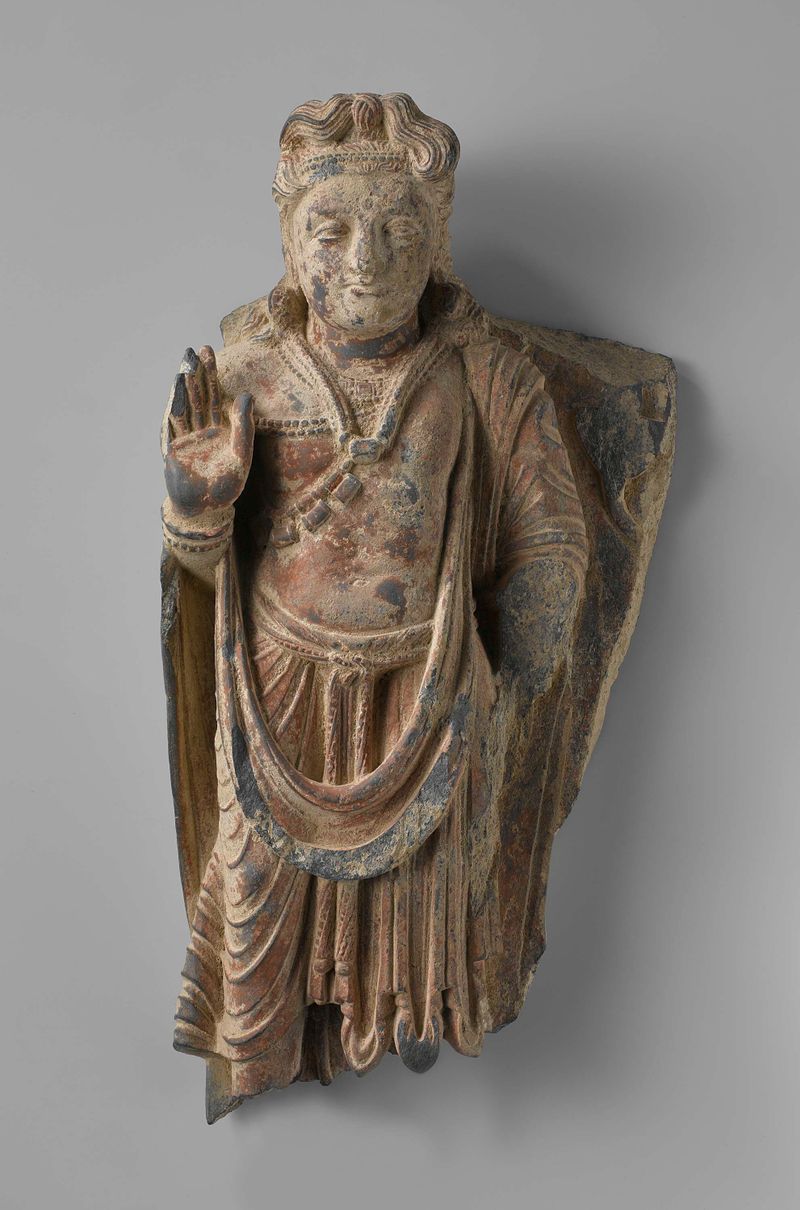
The bodhisattva Maitreya
Unknown Artist
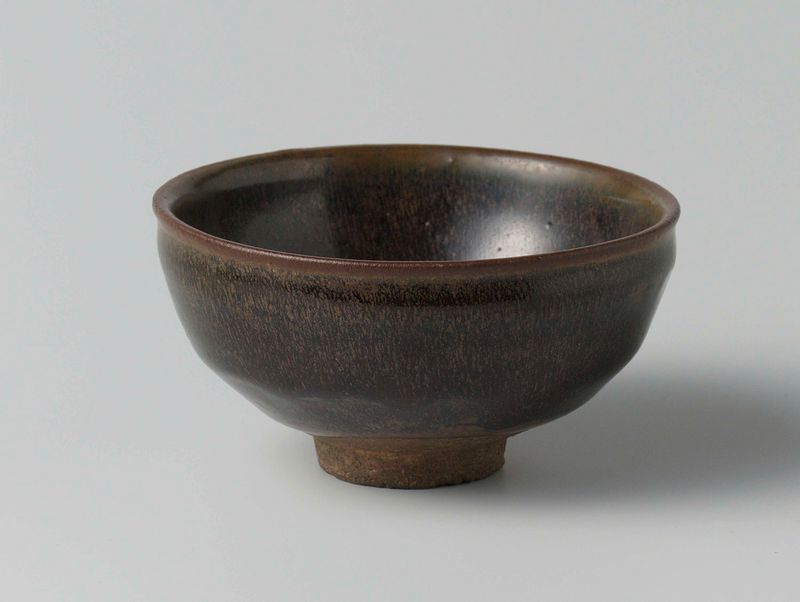
Teabowl with a 'hare's fur' glaze
Unknown Artist