
Zapuszczona ścieżka — History & Facts
Time weaves through the fabric of our experiences, often cloaked in faded hues and subtle transitions. Look to the left at the winding path, where the brushstrokes blend seamlessly into the underbrush, inviting the viewer to wonder where it leads. The palette is a symphony of muted greens and earthy browns, with dashes of soft light filtering through the foliage, creating a tranquil yet somber atmosphere. Notice how the dense trees frame the path, their towering presence both protective and isolating, evoking a sense of solitude. Delve deeper into the contrast between the vibrant life of the foliage and the stillness of the forgotten trail.
Each leaf seems to hold a whisper of what once was, while the neglected path symbolizes the passage of time, inviting reflection on journeys left unexplored. The stillness is palpable, and one can almost hear the echo of footsteps long gone, underscoring nostalgia and the ephemeral nature of existence. In 1927, Jan Bohuszewicz painted this piece during a period of introspection and change in the Polish art scene, as artists sought new expressions following the upheavals of World War I. This work reflects his desire to explore the relationship between nature and time, encapsulating a moment that resonates with both beauty and melancholy.
More Artworks by Jan Bohuszewicz
Browse all →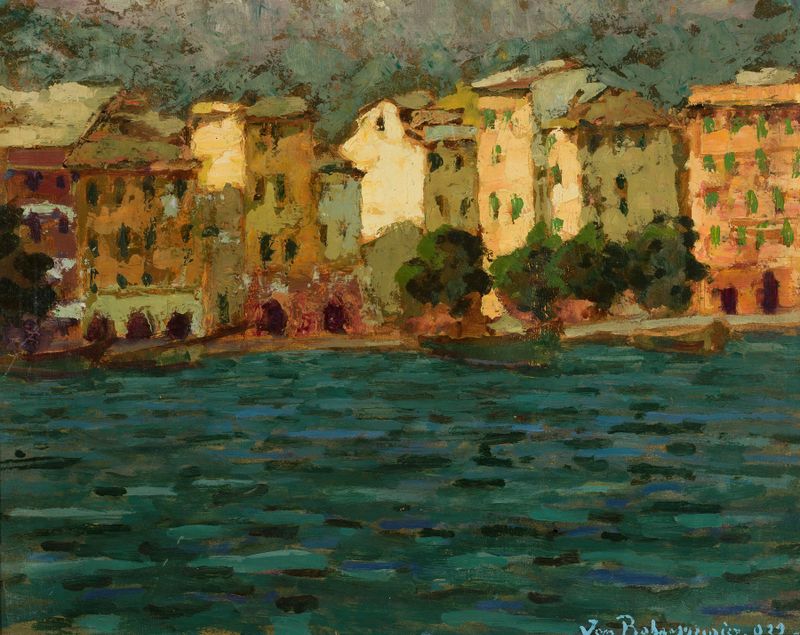
Port in the sunshine
Jan Bohuszewicz

Golden autumn
Jan Bohuszewicz

Larch Trees by the Lake in Dobiacco
Jan Bohuszewicz
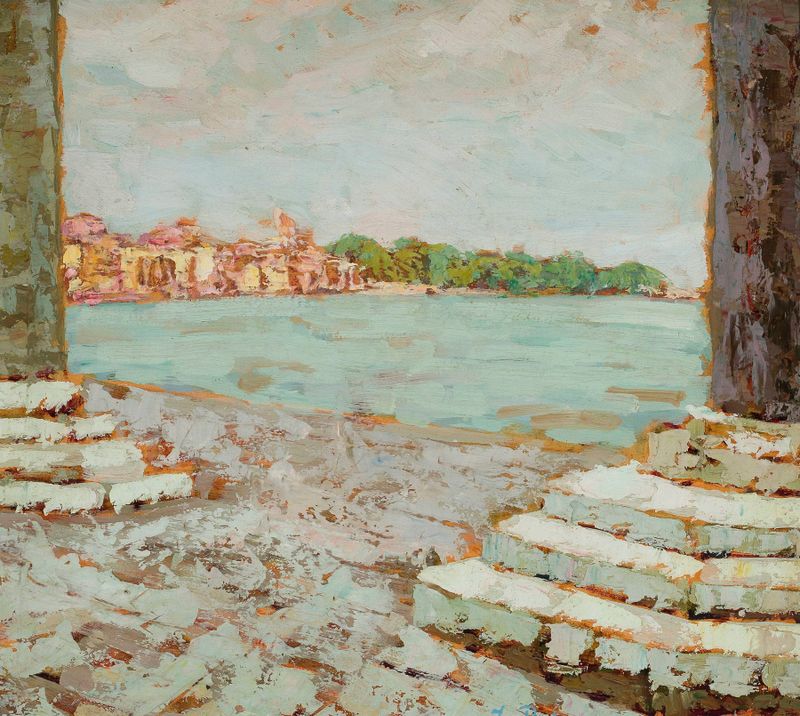
View from Piazzetta in Venice
Jan Bohuszewicz

Polish cottages
Jan Bohuszewicz
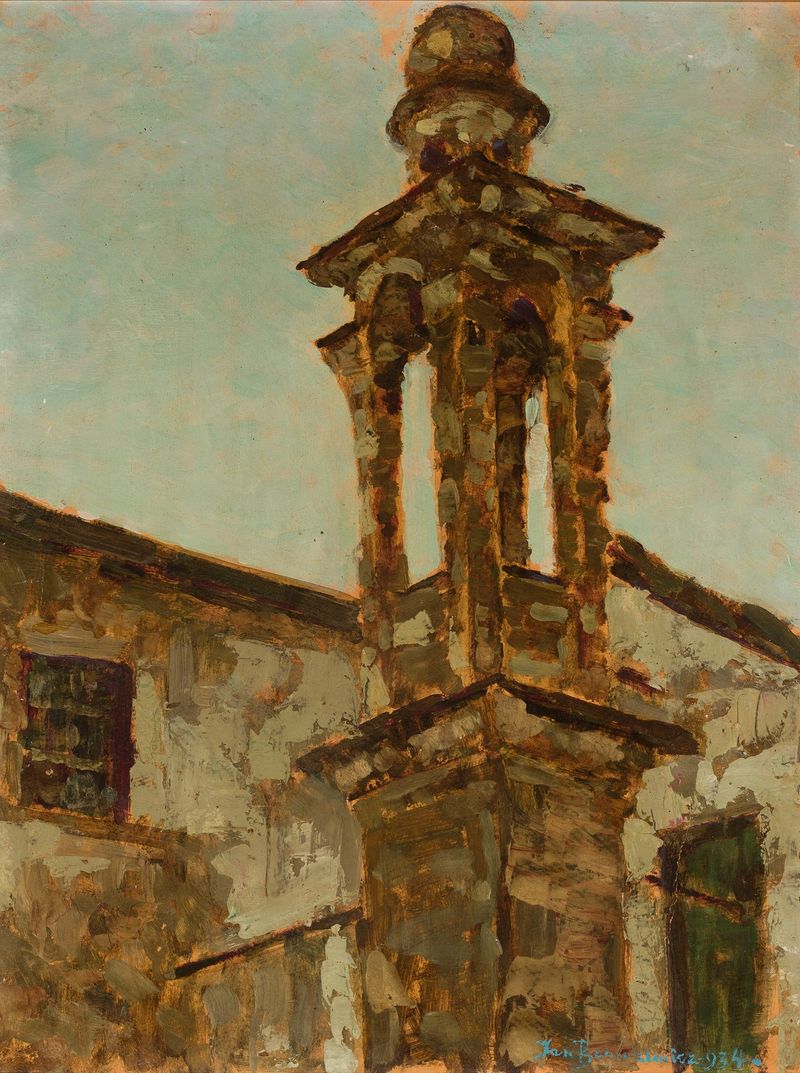
Old bell-tower
Jan Bohuszewicz
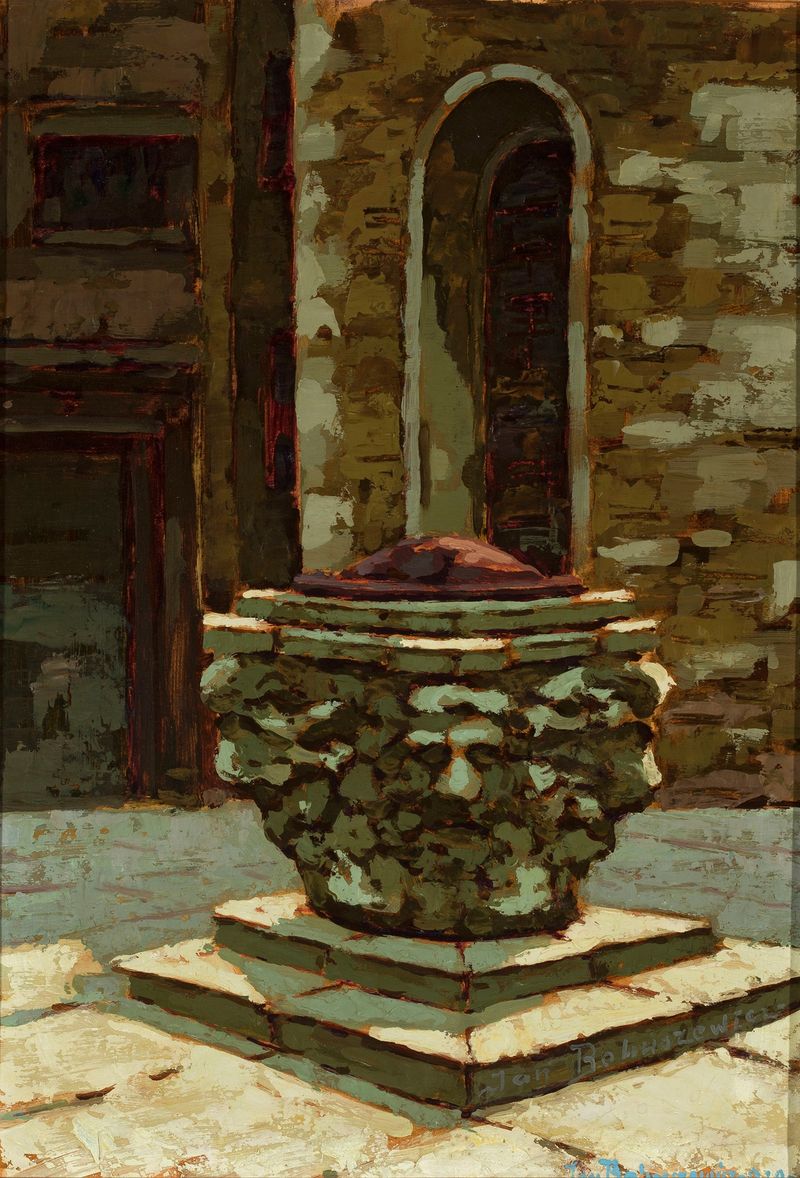
Small well in Venice in the sunshine
Jan Bohuszewicz
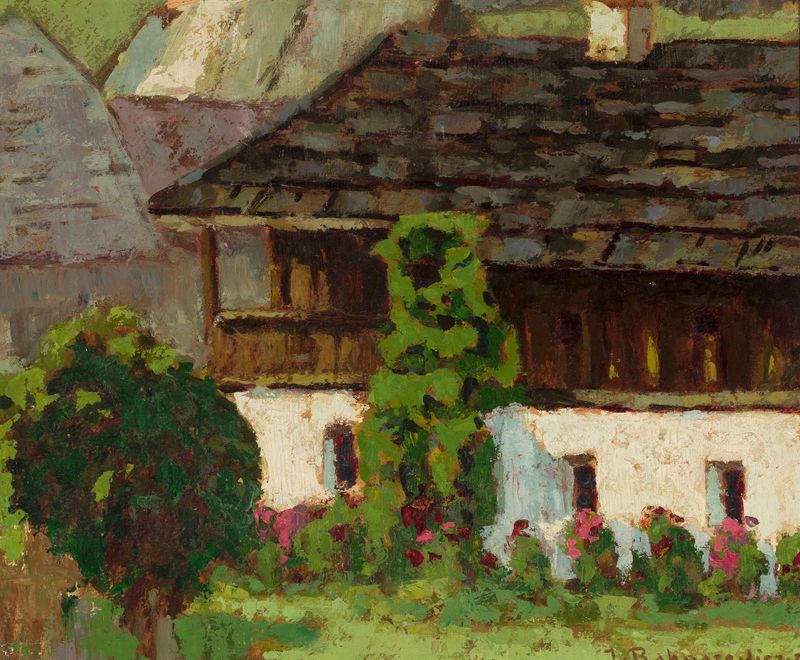
Old house with a porch
Jan Bohuszewicz

Shells
Jan Bohuszewicz
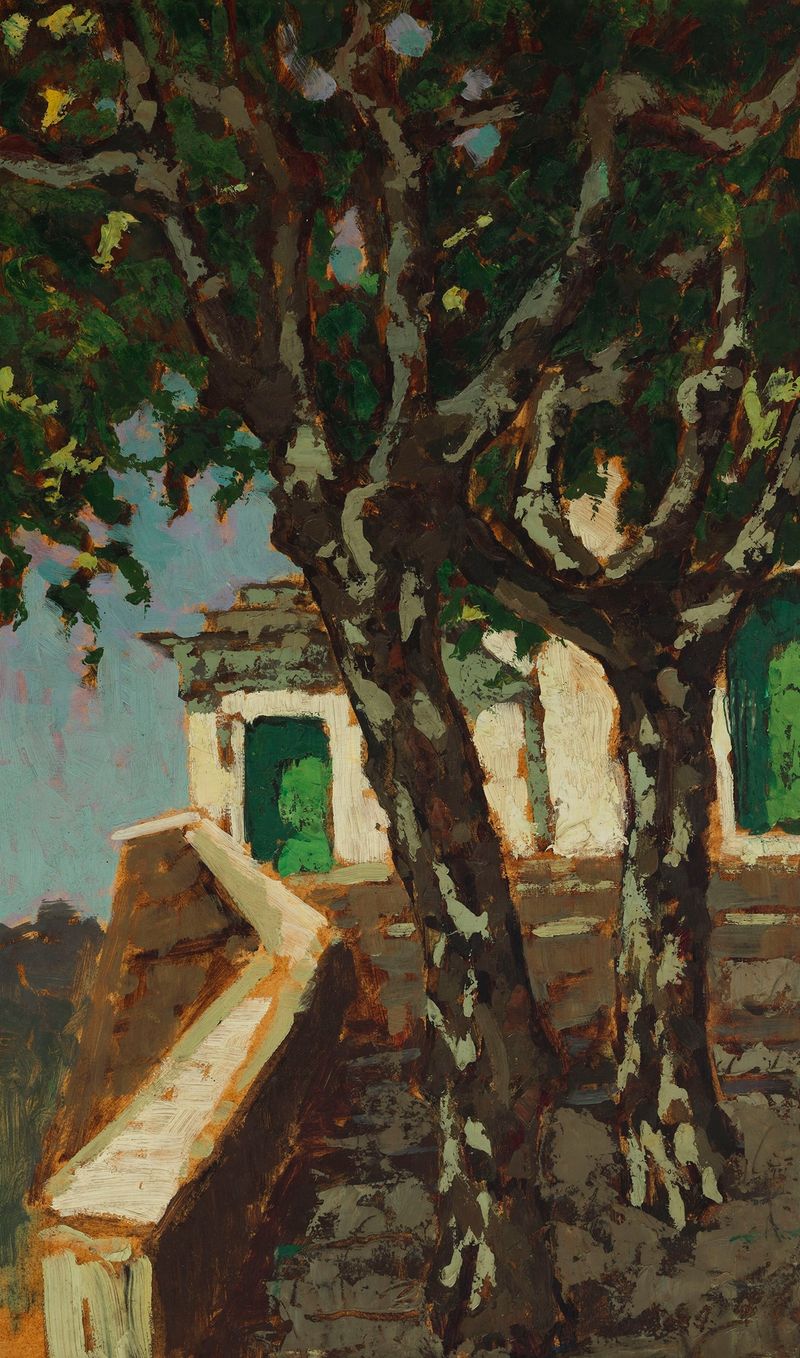
Platanus Trees at a Monastery Gate
Jan Bohuszewicz





