
Złoty poranek — History & Facts
What if beauty was never meant to be finished? The fleeting nature of life intertwines with the decay that follows, revealing the paradox of existence in a single frame. Look to the left at the warm, golden hues that saturate the canvas, a celebration of dawn. The brushstrokes are both deliberate and fluid, invoking a sense of movement as the light spills across the landscape, illuminating the contours of nature. Notice how the gentle gradations of color create an ethereal atmosphere, inviting contemplation.
The artist’s deft use of light not only illuminates the scene but also hints at a deeper transience, contrasting the vibrancy of morning with an underlying sense of impermanence. Beneath the surface, tensions arise between the vibrant colors and the subtle encroachment of shadow. This dichotomy whispers of decay, suggesting that even the most beautiful moments are tinged with inevitability. The juxtaposition of bright morning light against hints of fading flora reflects the paradox of life itself, capturing both the allure of beauty and the certainty of its decline.
Each element, from the delicate petals to the sprawling sky, speaks to the temporality inherent in existence, encouraging the viewer to reflect on their own journey through time. In 1929, Jan Bohuszewicz painted this work during a period of personal exploration in Poland. It was a time when art was shifting, reflecting broader modernist movements across Europe. The artist, navigating his own responses to societal changes, infused Złoty poranek with a sense of beauty interwoven with the inevitability of decay, embodying both the optimism of the new age and the shadows of what lies beneath the surface.
More Artworks by Jan Bohuszewicz
Browse all →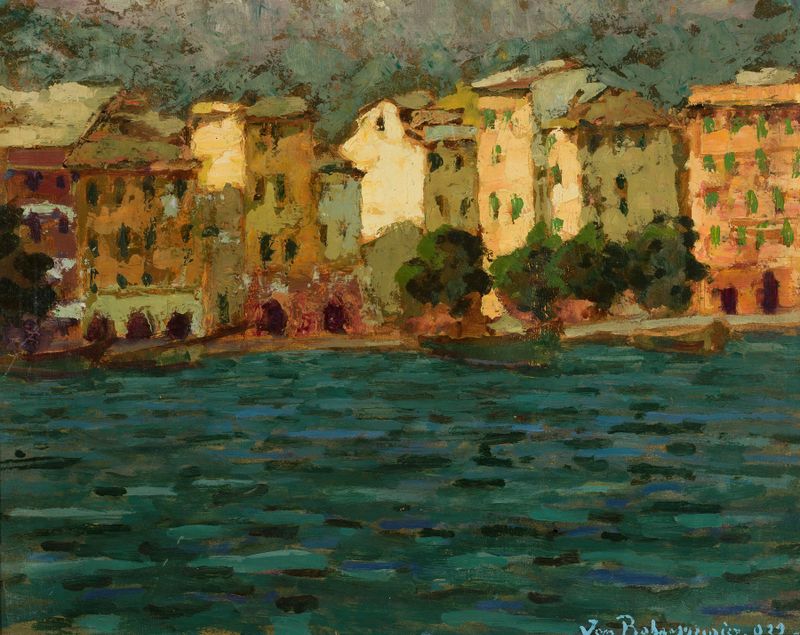
Port in the sunshine
Jan Bohuszewicz

Golden autumn
Jan Bohuszewicz

Larch Trees by the Lake in Dobiacco
Jan Bohuszewicz
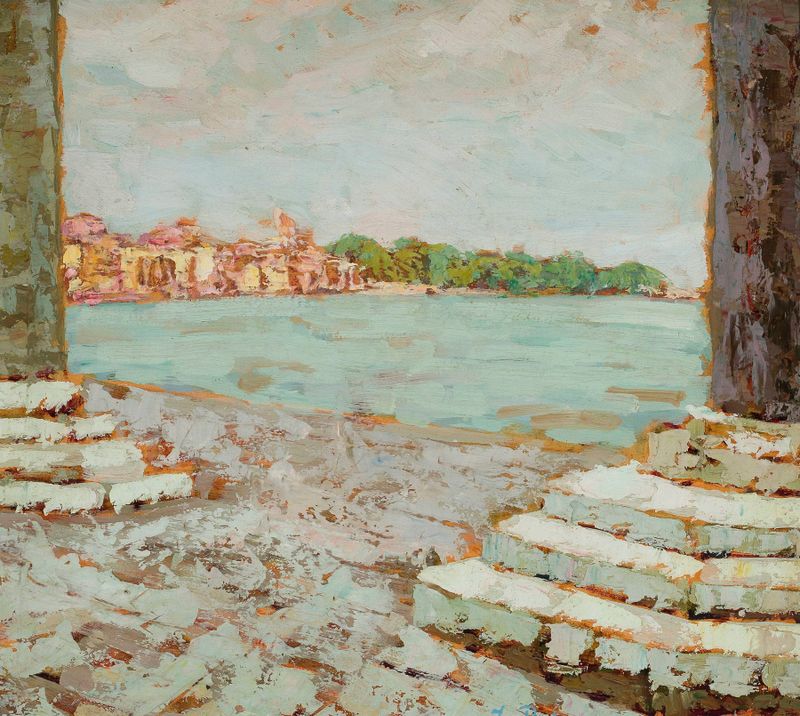
View from Piazzetta in Venice
Jan Bohuszewicz

Polish cottages
Jan Bohuszewicz
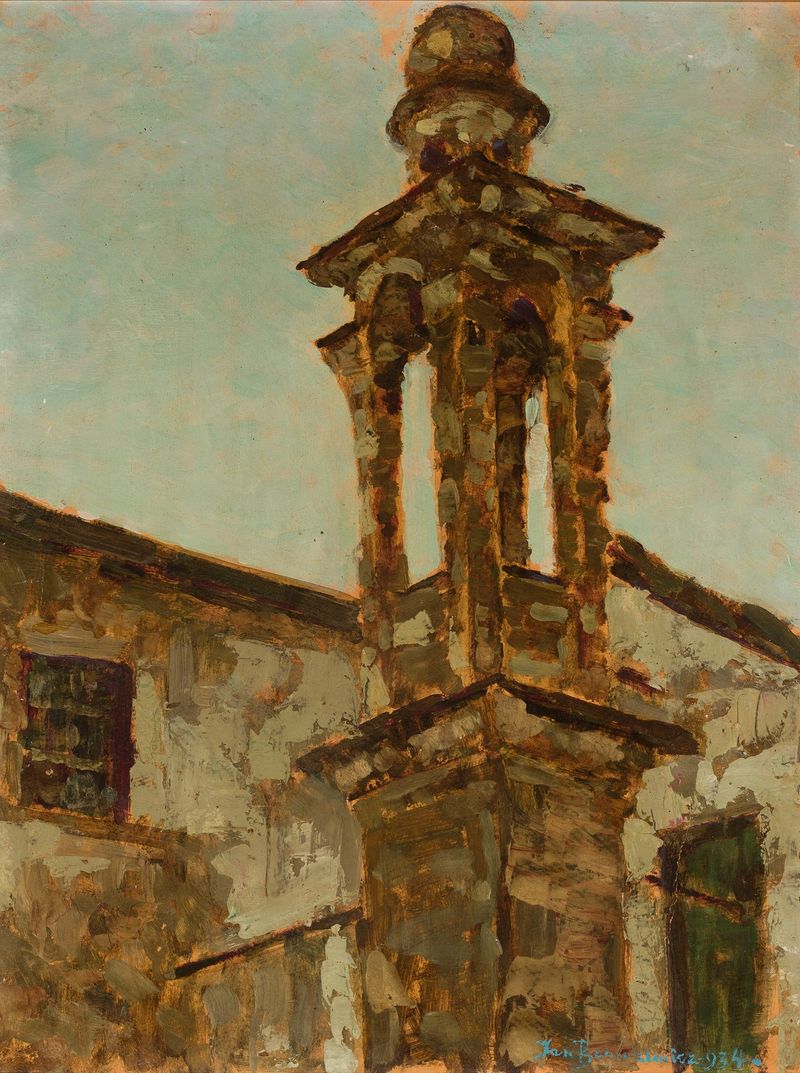
Old bell-tower
Jan Bohuszewicz
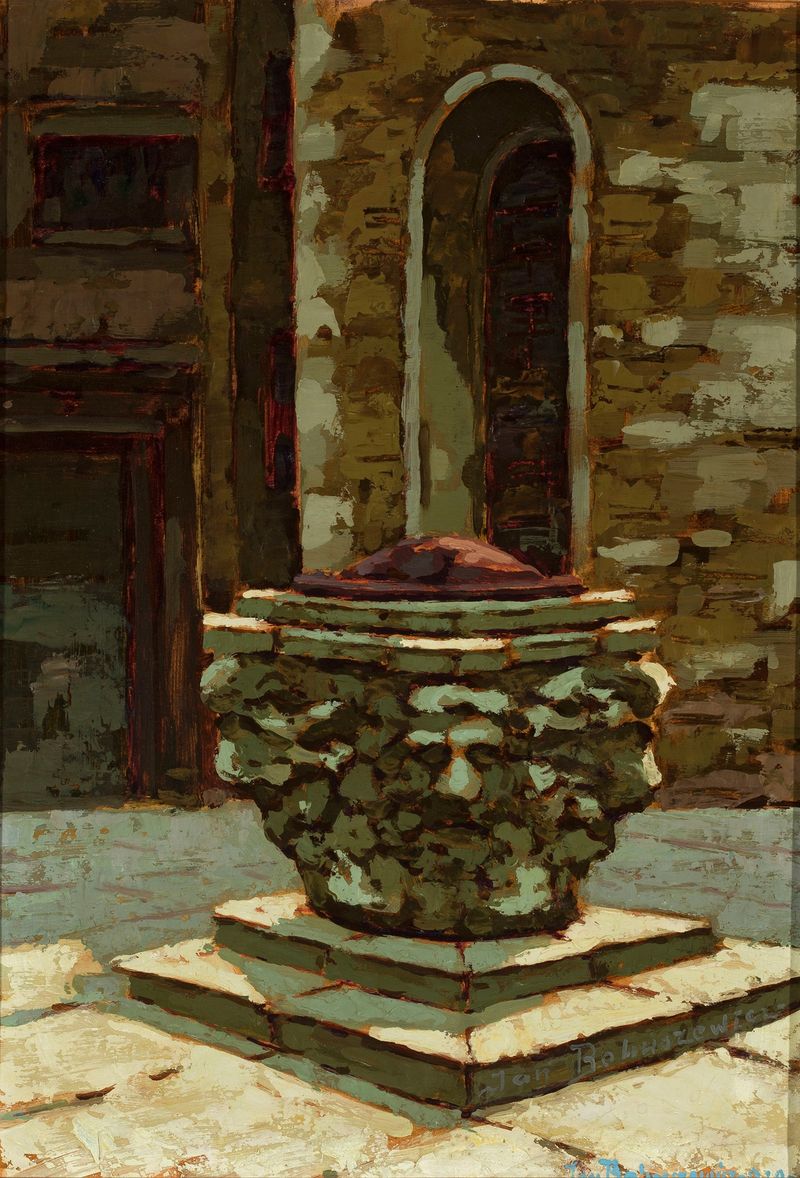
Small well in Venice in the sunshine
Jan Bohuszewicz
Old house with a porch
Jan Bohuszewicz

Shells
Jan Bohuszewicz
Platanus Trees at a Monastery Gate
Jan Bohuszewicz





