
Zürich — History & Facts
Who listens when art speaks of silence? In the stillness captured within the canvas, transformation whispers, inviting contemplation and introspection. Look to the upper left corner, where faint lines suggest the contours of a distant skyline, blurred by a delicate haze. The artist employs muted colors, allowing shades of blue and gray to blend seamlessly, evoking the quiet serenity of a city at dawn. As your eyes drift downward, notice how the gentle brushstrokes create a soft textural quality, mimicking the ebb and flow of water, which serves as a grounding force in the composition. Beneath the serene surface, a tension unfolds: the interplay between the rigid structures of the buildings and the fluid, transient nature of the water.
This contrast signifies a deeper transformation—how permanence and evanescence coexist in our experiences. The muted palette further accentuates this emotional depth, drawing the viewer into a meditative state while provoking questions about the nature of change and continuity. Created in an unspecified year, this work emerged from the mind of Bleuler the Younger during a period of artistic exploration in Switzerland. Influenced by the growing currents of Impressionism and the desire to capture fleeting moments, the artist sought to transcend mere representation, focusing instead on evoking emotion and atmosphere.
In a world increasingly aware of urbanization, Zürich stands as a contemplative reflection on the essence of place and the passage of time.
More Artworks by Johann Heinrich Bleuler the Younger
Browse all →
Rigi, Kulm
Johann Heinrich Bleuler the Younger
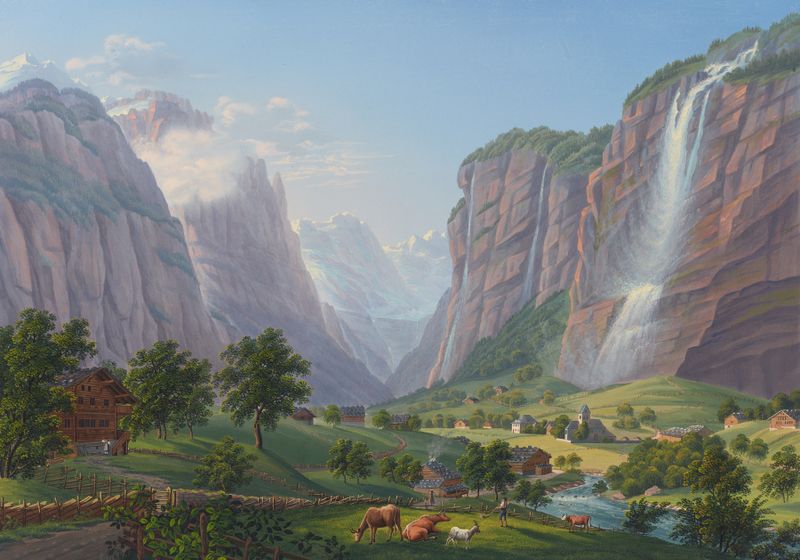
Der Staubbach im Lauterbrunnenthal
Johann Heinrich Bleuler the Younger
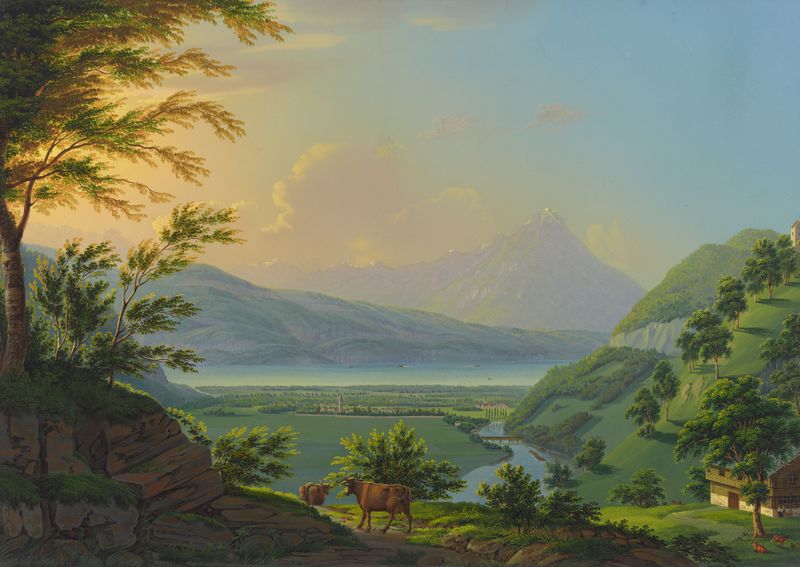
Aussicht bei Goldweil am Thunersee
Johann Heinrich Bleuler the Younger
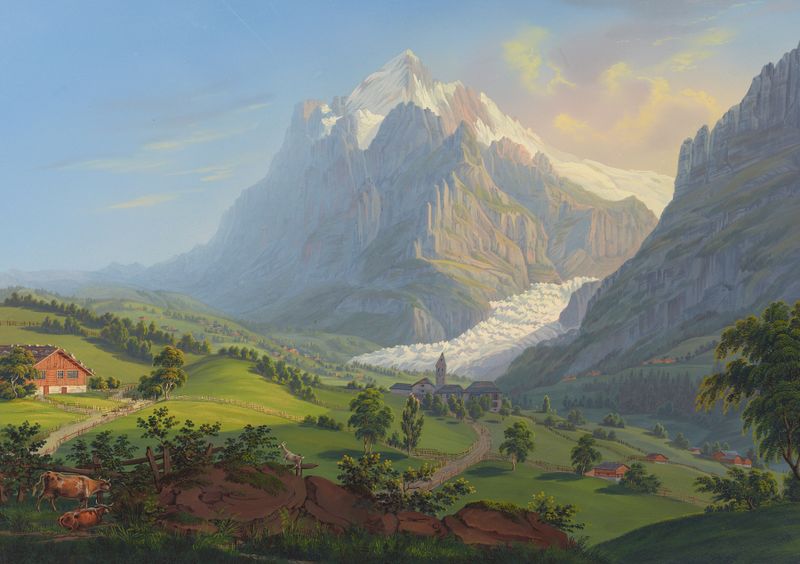
Das Wetterhorn im Grindelwald Canton Bern
Johann Heinrich Bleuler the Younger
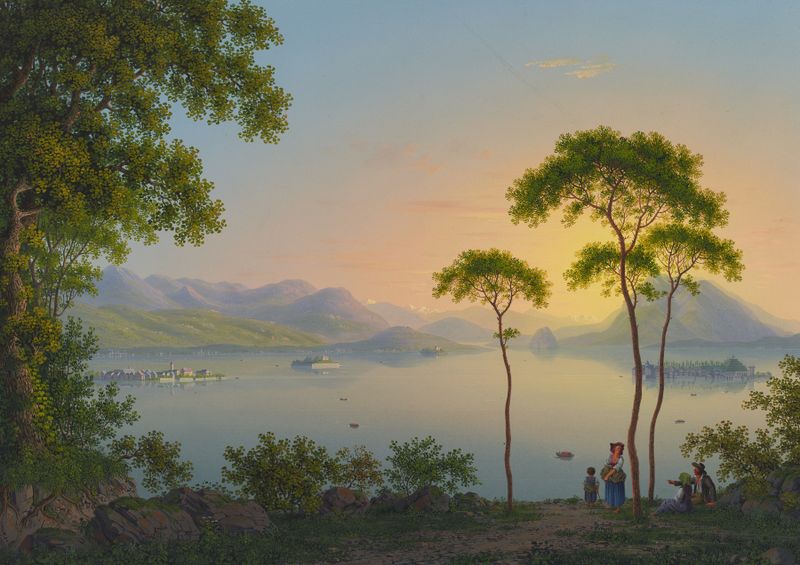
Die Boromäischen Inseln im Lago Maggiore
Johann Heinrich Bleuler the Younger
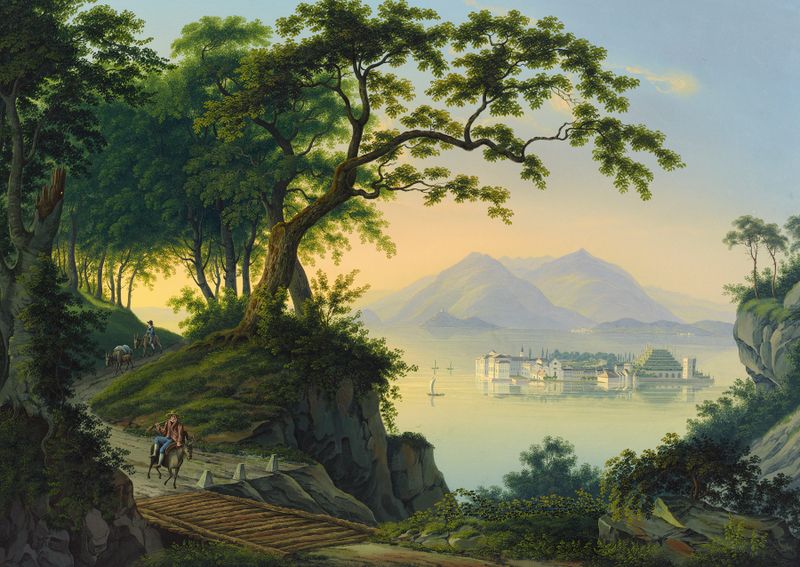
Isola Bella lago di Maggiore
Johann Heinrich Bleuler the Younger
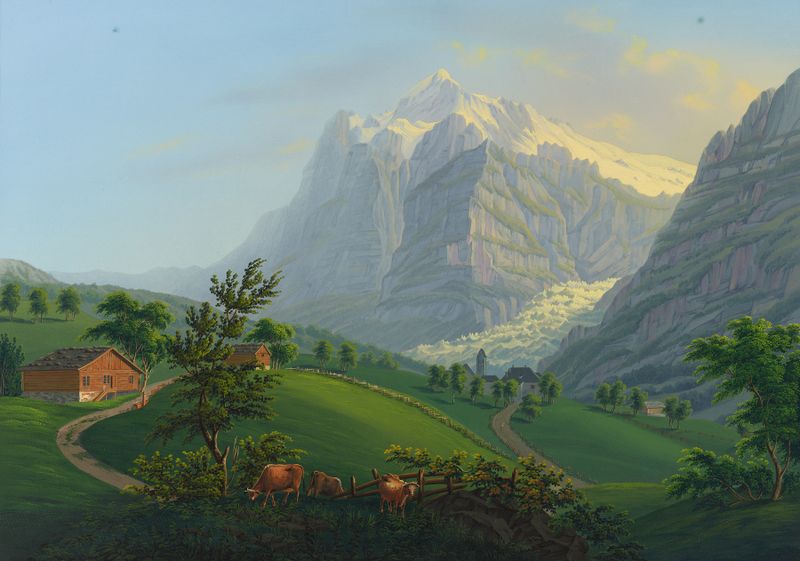
Das Wetterhorn im Grindelwald
Johann Heinrich Bleuler the Younger
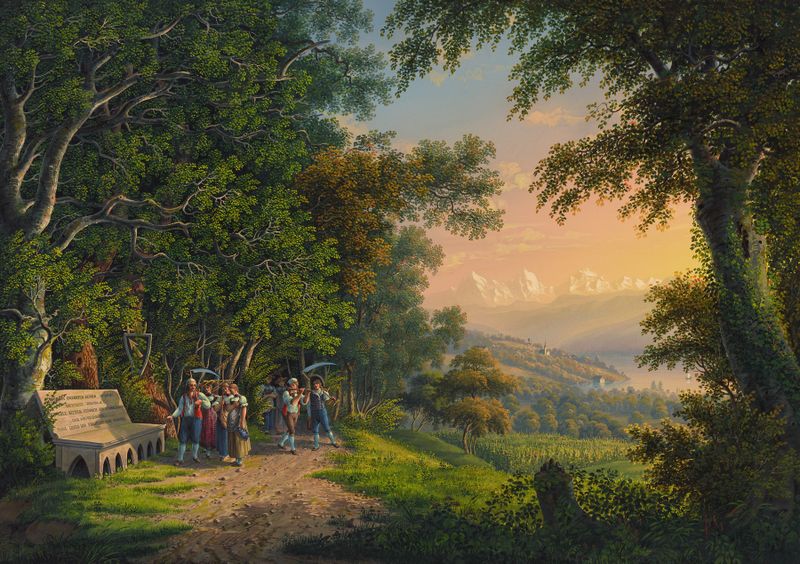
Aussicht bei Thun nach der Jungfrau
Johann Heinrich Bleuler the Younger

Grütli
Johann Heinrich Bleuler the Younger

Aufsicht vom Seelisberg über den Vierwaldstättersee
Johann Heinrich Bleuler the Younger





