
Zwischen Westbahn und Mariahilfer Linie — History & Facts
Could beauty survive in a century of chaos? In Zwischen Westbahn und Mariahilfer Linie, the haunting essence of mortality intertwines with the pulse of urban life, beckoning viewers to ponder the fragility of existence amidst the relentless march of time. Look closely at the foreground where rail tracks stretch into the distance, their metallic sheen reflecting muted hues of gray and rust. The composition is structured yet chaotic, with buildings framing the scene, looming like silent witnesses. Notice how the light filters through the clouds, casting fragmented shadows that dance upon the ground, creating an atmosphere both somber and poignant.
Gerasch’s deft brushwork conveys a sense of movement, as if the scene itself breathes amid stillness. As you explore, the contrasts become apparent—between the static architecture and the dynamic energy of the railway, between the vitality of the urban landscape and the underlying decay. This duality speaks to the relentless passage of time and the inevitable fading of beauty. The layers of depth suggest stories untold, evoking a shared human experience that transcends the mundane, prompting reflections on what remains after the noise of life subsides. Franz Gerasch painted Zwischen Westbahn und Mariahilfer Linie around the early 20th century, a period marked by rapid urbanization and industrial change in Vienna.
Amidst political unrest and shifting artistic movements, Gerasch sought to capture the interplay of modernity and the remnants of the past. His work reflects not only the environment of his time but also a deeper inquiry into the permanence of beauty within an ever-evolving landscape.
More Artworks by Franz Gerasch
Browse all →
Die Hernalser Linie in Wien
Franz Gerasch

Das Fischertor in Wien
Franz Gerasch

Die beiden Kärntnertore
Franz Gerasch
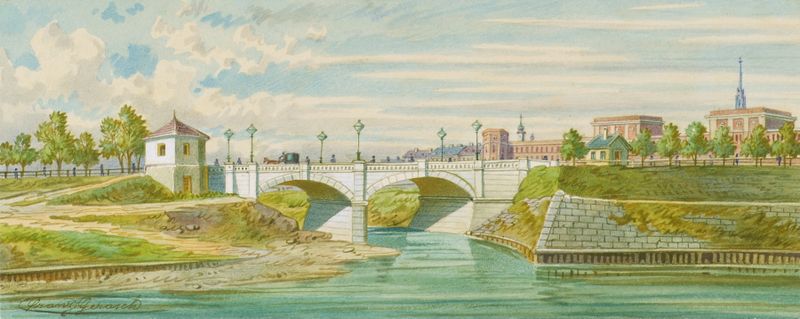
Die Radetzkybrücke über den Wienfluss mit seiner Ausmündung in die Donau
Franz Gerasch
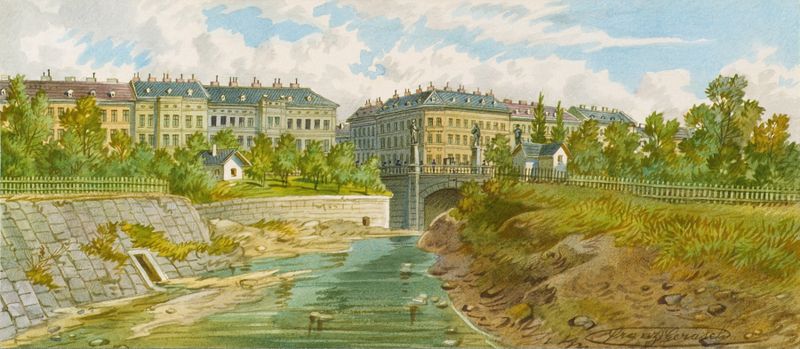
Die Elisabethbrücke über den Wienfluß
Franz Gerasch
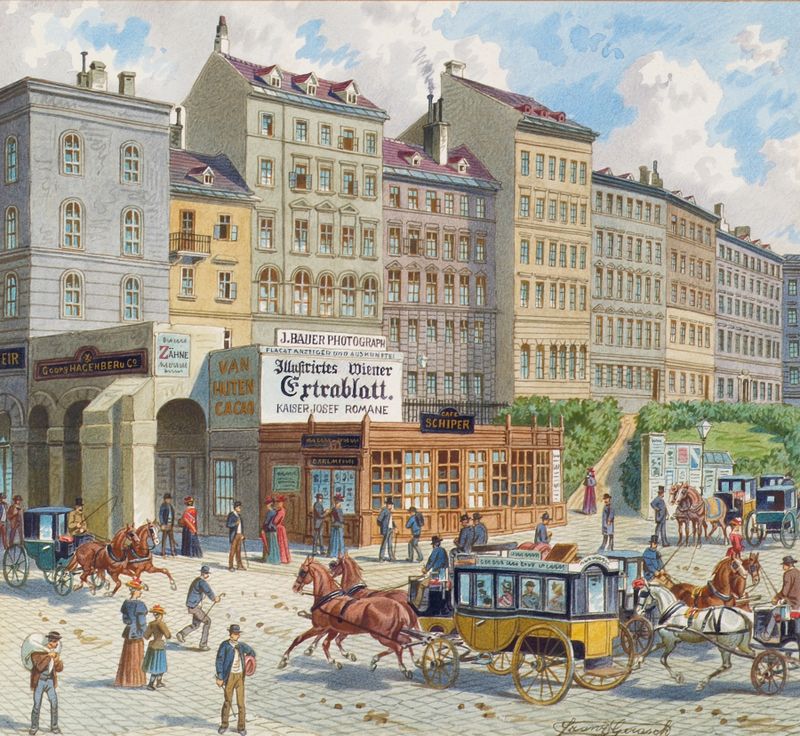
Das Schottentor und die Mölkerbastei in Wien
Franz Gerasch
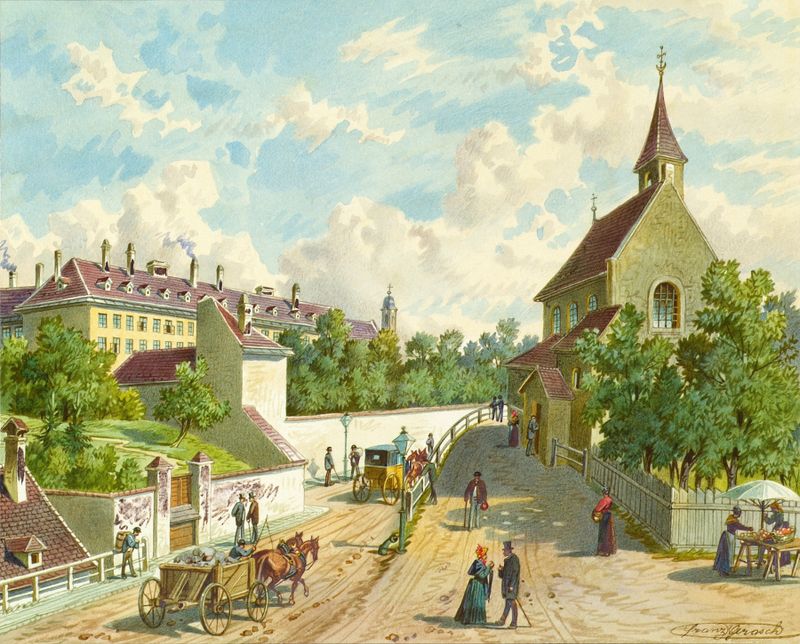
Die Währinger Straße in Wien mit dem Versorgungshaus ‘Zum Blauen Herrgott’ und der ‘Krawoten-Kapelle’
Franz Gerasch
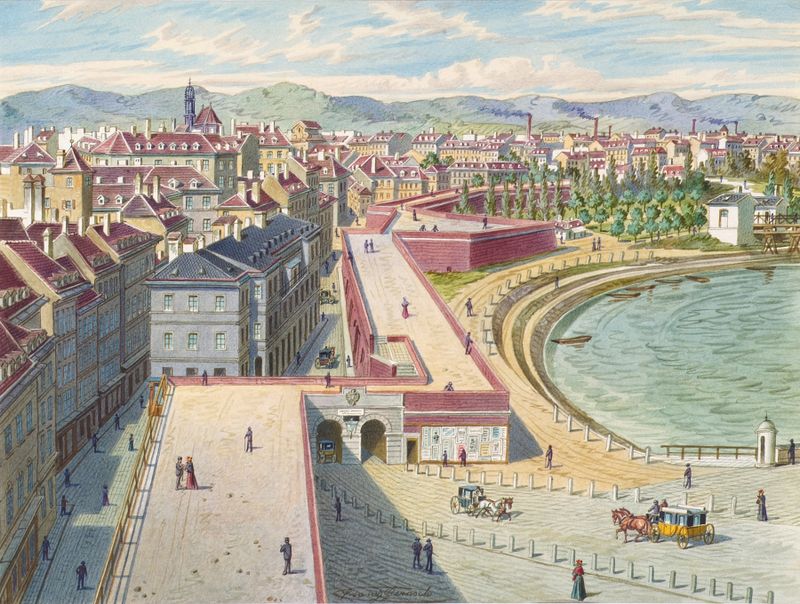
Das Rotenturm-Tor in Wien
Franz Gerasch
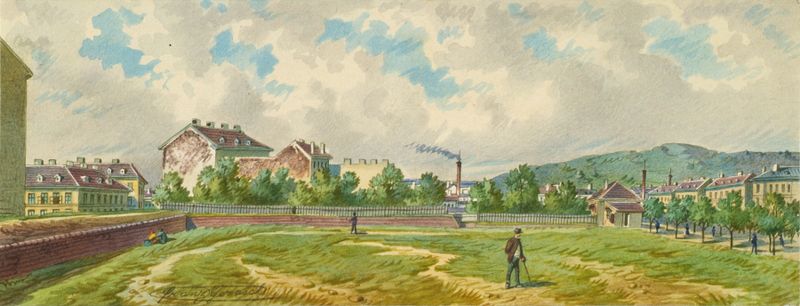
Der Währinger Gürtel in Wien
Franz Gerasch
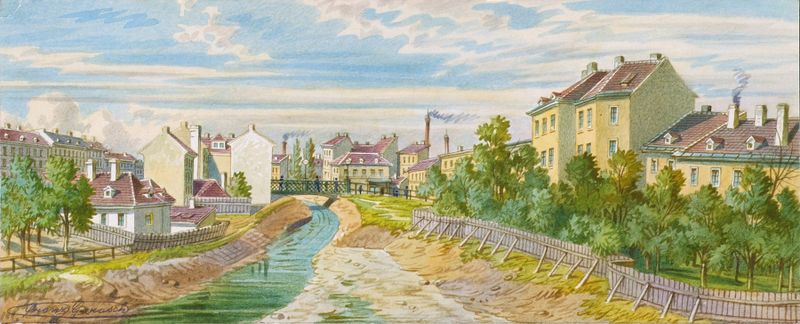
Die Magdalenenbrücke über den Wienfluss
Franz Gerasch





